
Swedish massage techniques use slow, rhythmic pressure to calm the nervous system and reduce full-body tension.
What Therapeutic Relaxation Massage Actually Does
Therapeutic relaxation massage, often referred to as Swedish massage, is frequently misunderstood as simply “light pressure” or a passive experience. In reality, when performed with clinical intent, this approach focuses on regulating the nervous system, improving circulation, and allowing the body to shift out of a stress-driven state.
Many clients seeking therapeutic massage are not only dealing with localized pain, but also with underlying patterns of tension driven by prolonged stress, repetitive activity, or mental fatigue. In these cases, a more calming, rhythm-based approach can help reduce overall muscular guarding and improve the body’s ability to respond to deeper, more specific work.
This type of massage is especially beneficial for:
Individuals experiencing chronic stress or burnout
Clients with widespread muscular tension rather than one focal pain point
Athletes or active individuals needing recovery between training sessions
Clients who feel constantly “tight” but cannot fully relax into deeper pressure
Rather than focusing on breaking up specific adhesions or trigger points, Swedish massage helps the body shift into a state where healing and recovery can occur more efficiently.
What Deep Tissue and Neuromuscular Therapy Address
Deep tissue massage and neuromuscular therapy are more targeted approaches designed to address specific patterns of dysfunction within the muscular and nervous systems.
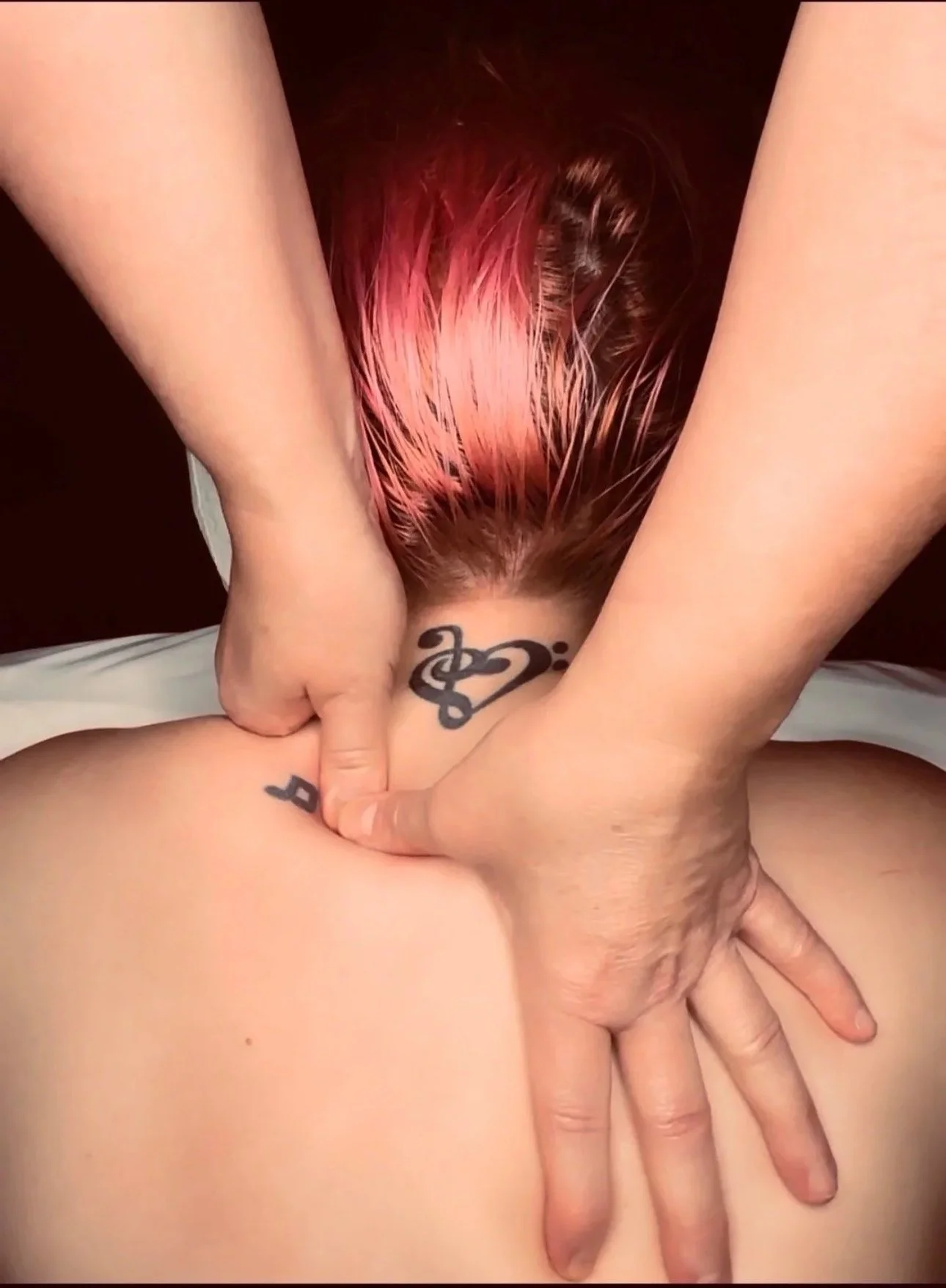
Targeted deep tissue and neuromuscular therapy focus on specific areas of dysfunction, helping reduce chronic pain patterns an restore proper movement.
These methods focus on:
Chronic pain patterns
Trigger points and referral pain
Postural imbalances
Nerve compression
Restricted range of motion
Neuromuscular therapy, in particular, works with a clinical understanding of how muscles, nerves, and movement patterns interact. Instead of applying generalized pressure, treatment is directed toward the root cause of discomfort, whether that involves ischemic tissue, dysfunctional movement patterns, or compensatory muscle use.
Clients often seek this type of work when they are experiencing:
Persistent neck or shoulder pain
Lower back discomfort that does not resolve on its own
Tightness related to desk work or repetitive activity
Pain that refers into other areas of the body
This approach is more precise and corrective, making it especially effective for long-standing or recurring issues.
Key Differences Between Therapeutic Relaxation and Deep Tissue Massage
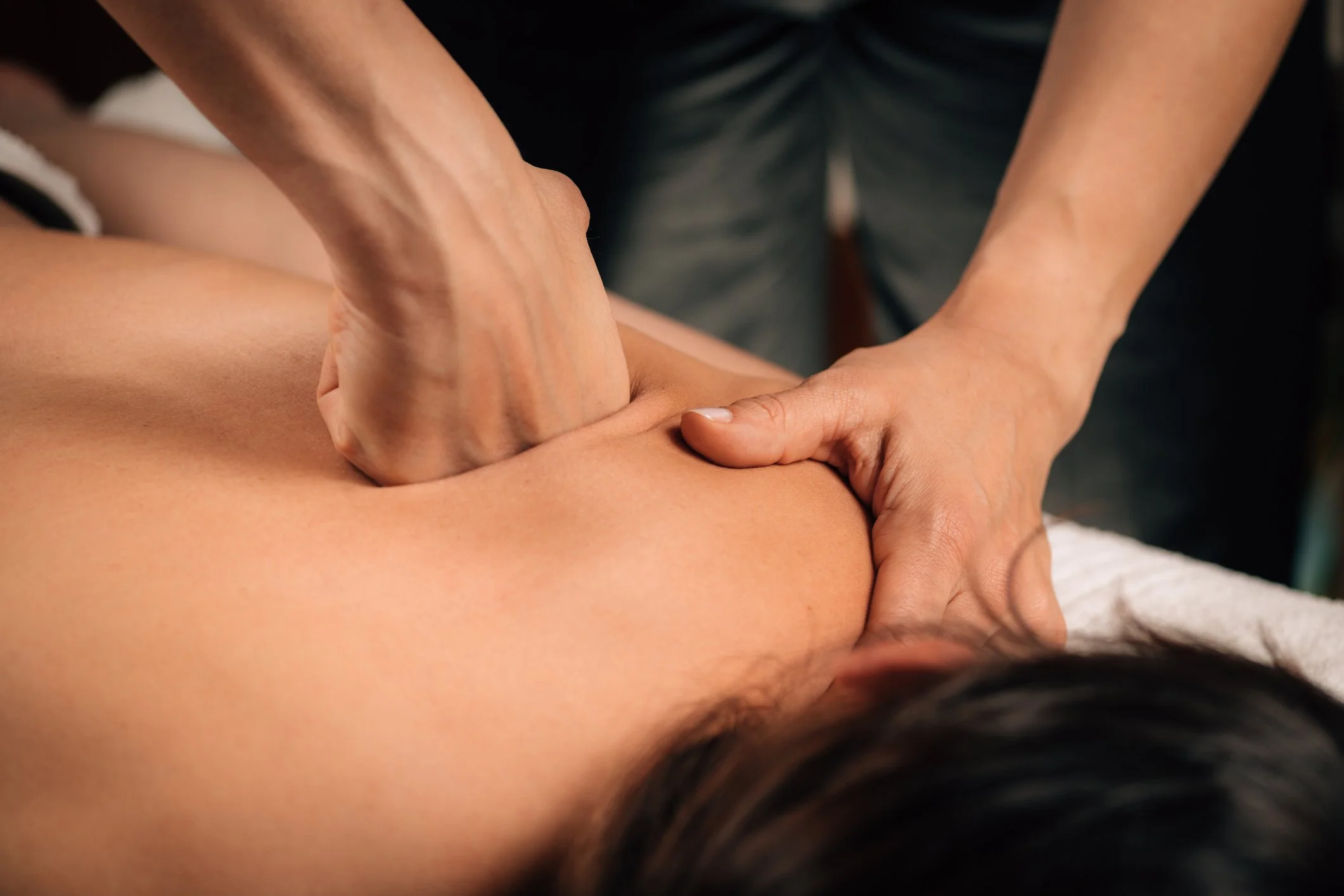
Both relaxation-focused and targeted techniques play a role in treatment, ranging from calming the nervous system to addressing deeper muscular dysfunction.
While both approaches fall under therapeutic massage, they serve different purposes within a treatment plan.
Therapeutic relaxation massage:
Focuses on calming the nervous system
Uses consistent, flowing techniques
Helps reduce overall muscle tension
Supports recovery and maintenance
Deep tissue and neuromuscular therapy:
Focus on specific areas of dysfunction
Use targeted pressure and techniques
Address underlying causes of pain
Improve structural and functional movement
Neither approach is “better” than the other. Instead, they are used strategically depending on what the body needs at a given time.
Which Type of Massage Is Right for You?
Choosing the right type of massage depends on your primary goal.
If your main concern is:

Neck, shoulder, and back tension can signal when a more targeted or relaxation-focused massage approach is needed.
Ongoing stress
Generalized tightness
Difficulty relaxing
Recovery between physically demanding activities
A therapeutic relaxation approach may be the most appropriate starting point.
If you are dealing with:
Specific areas of pain
Limited mobility
Chronic tension patterns
Pain that has not improved with general massage
A more targeted precision therapeutic massage approach is often more effective.
If deep tissue seems like the better fit, learn what to look for when choosing a deep tissue massage therapist in Charlotte.
In many cases, new clients benefit from starting with a focused therapeutic session to address the primary issue, followed by relaxation-based sessions to maintain results and prevent recurrence.
When a Combined Approach Works Best

Combining targeted deep work with relaxation-based techniques helps the body integrate changes and supports longer-lasting relief.
One of the most effective ways to achieve long-term results is by combining both approaches within a treatment plan.
For example:
A session may begin with deeper, targeted work to address a specific restriction
Followed by broader, relaxation-based techniques to help the body integrate the changes
This allows the nervous system to downregulate while also improving tissue quality and movement patterns.
Clients who receive this type of integrated care often notice:
Longer-lasting relief
Improved recovery between sessions
Reduced overall tension levels
Better awareness of how their body responds to stress and activity
Frequently Asked Questions
Is therapeutic relaxation massage the same as Swedish massage?
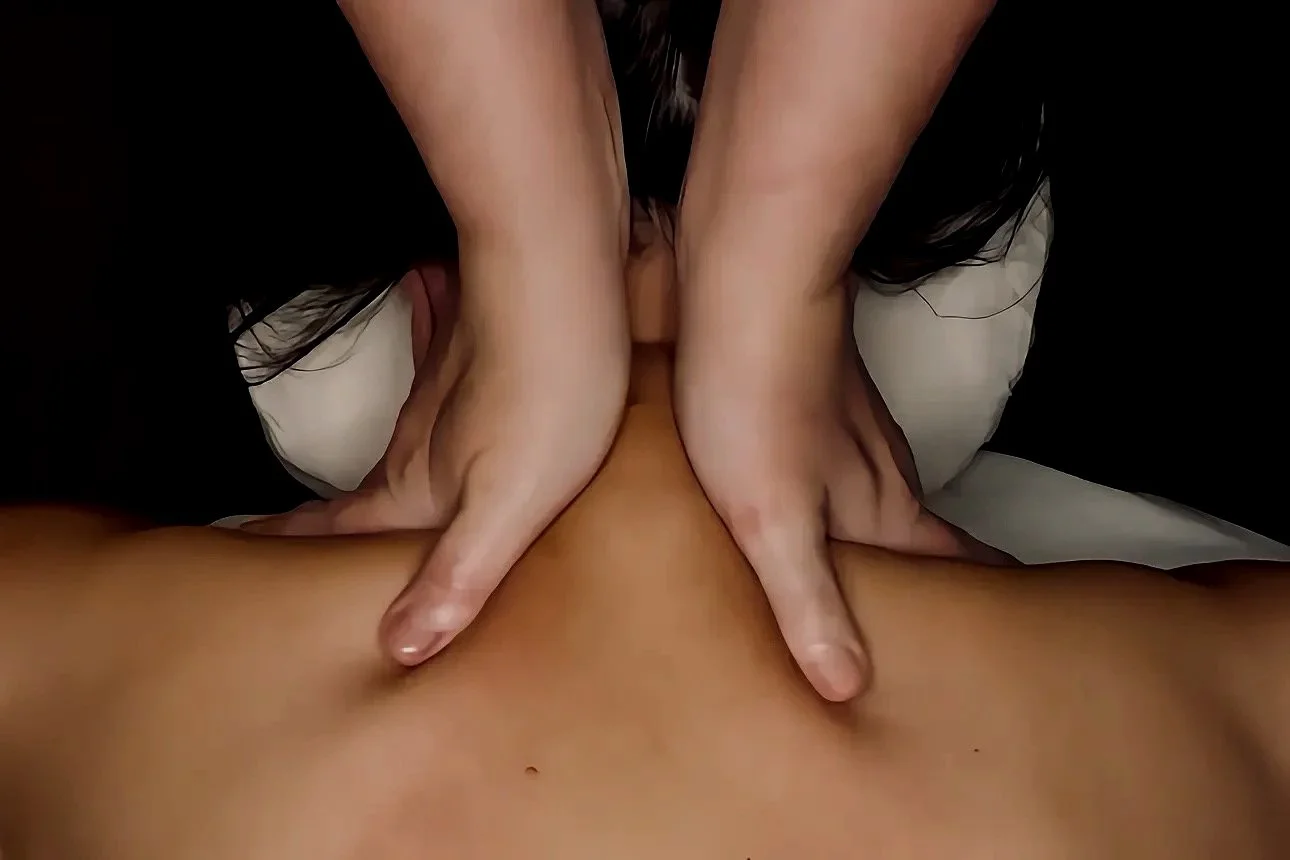
Therapeutic relaxation (Swedish) massage can be adjusted in pressure while still focusing on nervous system support and overall recovery.
While traditional Swedish massage is often associated with relaxation, a therapeutic relaxation approach focuses more intentionally on nervous system regulation and recovery. It can include similar techniques but is applied with a more clinical purpose.
Can relaxation massage still use deeper pressure?
Yes. Therapeutic relaxation massage does not always mean light pressure. The depth of pressure can be adjusted, but the overall goal remains to reduce tension and support recovery rather than target specific dysfunction.
How often should I alternate between deep tissue and relaxation massage?
This depends on your activity level, stress levels, and specific goals. Many clients benefit from alternating between a series of massage sessions targeted work and relaxation-based sessions to maintain results over time.
Therapeutic Massage in Charlotte: A More Targeted Approach
At Key of Life Wellness and Massage, sessions are designed to match the specific needs of each client rather than following a fixed “type” of massage.
Whether the focus is on relieving pain, improving mobility, or supporting recovery, treatment is approached from a clinical perspective that considers both muscular and nervous system involvement.
If you’re unsure which approach is right for you, your session can be tailored to incorporate both targeted and relaxation-based techniques based on what your body needs that day.