How Forward Head Posture Leads to Neck and Shoulder Pain and Why It Keeps Coming Back

Forward head posture from phone use places increased strain on the neck and shoulders over time.
At Key of Life Wellness and Massage in Charlotte, forward head posture is one of the most common patterns seen in clients dealing with ongoing neck tension, shoulder discomfort, and upper back fatigue. This postural shift often develops gradually from desk work, phone use, and long hours spent sitting, and it can create persistent strain that doesn’t resolve on its own.
What Forward Head Posture Really Means for the Body
Forward head posture is more than just “slouching.” As the head moves forward, the weight placed on the cervical spine increases significantly. Even a small shift can place added strain on the muscles responsible for supporting the head and stabilizing the shoulders.
Over time, the body adapts to this position. Instead of maintaining balance, it begins to compensate, creating a pattern of tension and fatigue that spreads beyond the neck.
How This Pattern Spreads Through the Neck, Shoulders, and Upper Back

Forward head posture often develops gradually during desk work, leading to tension across the neck and upper back.
Forward head posture rarely stays isolated to one area. It creates a chain reaction throughout the upper body:
• The chest muscles become shortened and tight
• The upper trapezius and levator scapulae become overworked
• The rhomboids and mid-back muscles become fatigued
• The neck extensors remain in a constant state of strain
This is why many people experience both neck pain and shoulder tension at the same time. The issue is not just one muscle, it’s a connected pattern affecting multiple structures.
Why Stretching Alone Often Doesn’t Fix the Problem
Many people attempt to correct forward head posture by stretching the neck or rolling out the upper back. While this can provide temporary relief, it often doesn’t address the full issue.
The body is adapting to a repeated position. Simply stretching one area does not change how the entire system is functioning. Without addressing the muscles that are shortened, overactive, or compensating, the pattern tends to return.
How Therapeutic Massage Addresses the Underlying Pattern
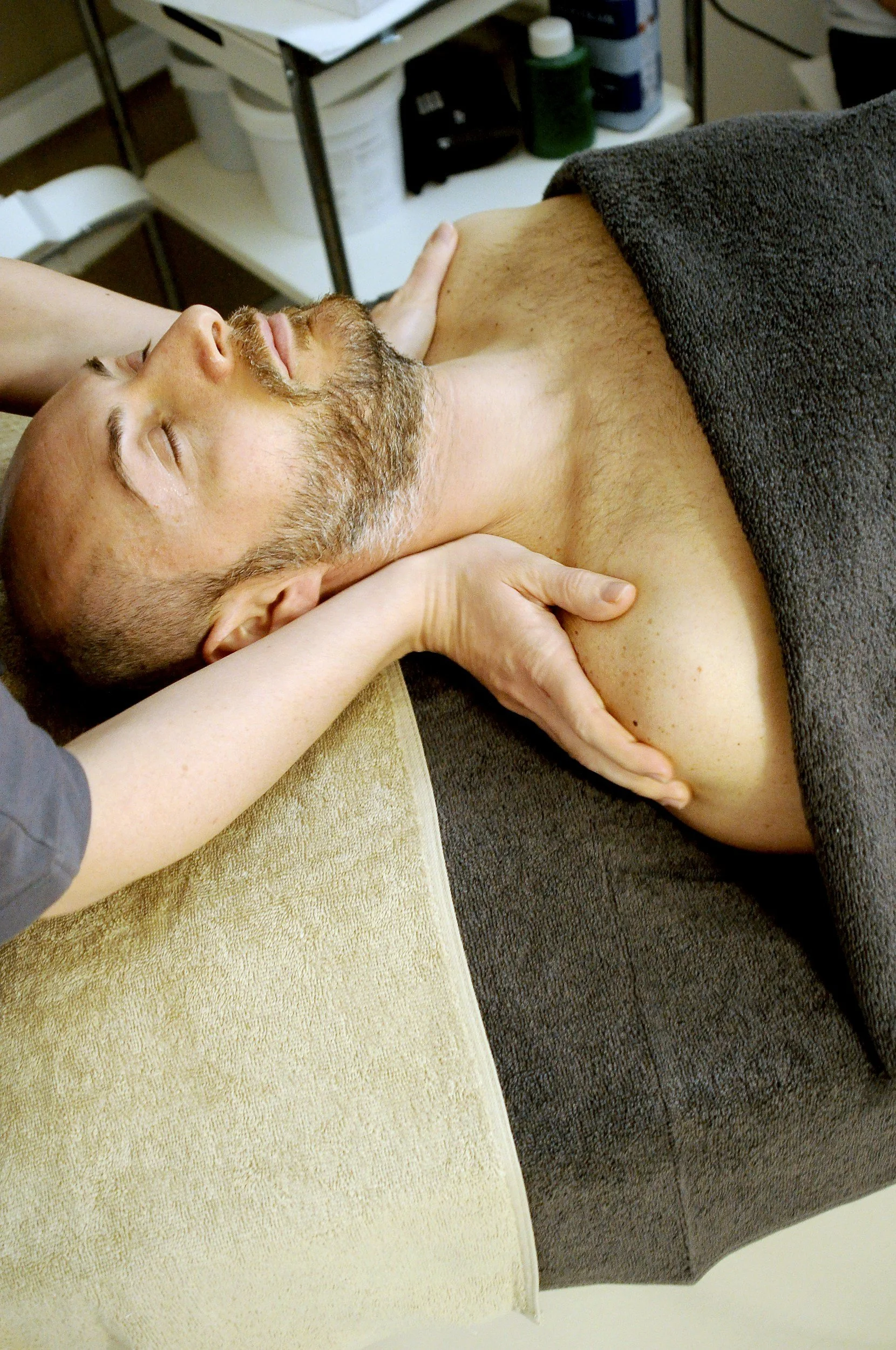
Targeted massage techniques can help reduce tension and address the underlying muscular patterns contributing to postural strain.
A more effective approach focuses on the full pattern rather than isolated symptoms.
Therapeutic massage can help reduce accumulated tension and improve circulation, but more targeted approaches such as neuromuscular therapy and deep tissue massage work to address the deeper muscular relationships contributing to the issue.
By working through the chest, neck, shoulders, and upper back together, the body can begin to return to a more balanced state instead of remaining stuck in compensation.
Why Forward Head Posture Keeps Coming Back
One of the biggest frustrations people experience is that the tension returns.
This happens because the pattern is reinforced daily:
• long hours at a desk
• forward positioning while using a phone
• repetitive postural habits
Without ongoing care or awareness, the body naturally returns to what it is used to.
When to Focus on Treatment vs Relaxation
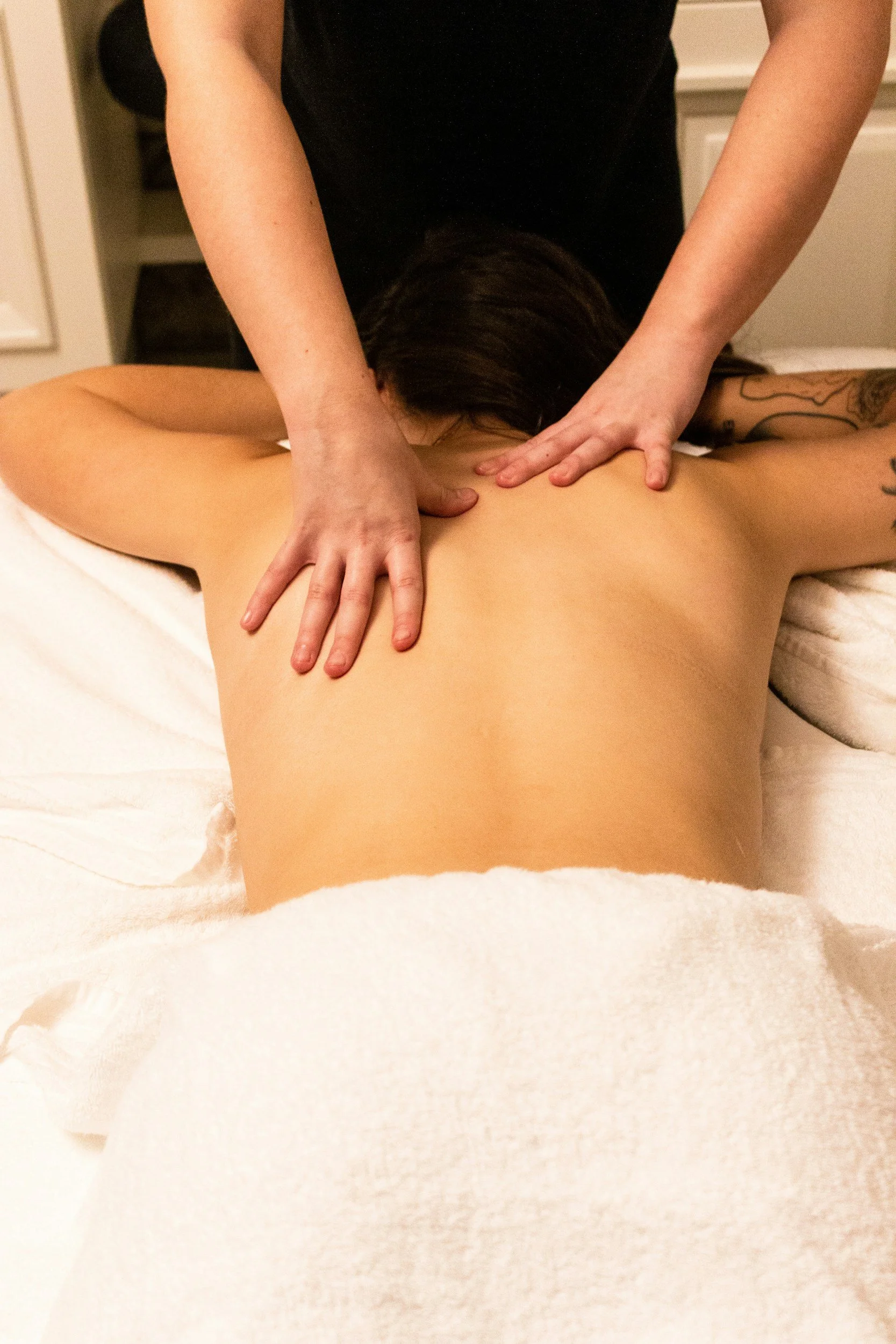
Relaxation-focused sessions can help calm the nervous system, allowing the body to become more receptive to therapeutic work.
Not every session needs to focus entirely on correcting posture.
In some cases, the nervous system is already overwhelmed. When that happens, the body may resist deeper or more targeted work. A relaxation-focused session can help reduce overall tension, allowing the body to become more receptive to structural work in future sessions.
This is why combining approaches, rather than staying rigid, often leads to better long-term results.
Why This Pattern Requires a Broader Approach
Forward head posture is rarely just about the neck. It often connects to:
• shoulder positioning
• upper back fatigue
• chest tightness
• overall postural habits
Addressing the full pattern, rather than chasing symptoms, is what allows for more lasting change.
FAQ
Can massage help with forward head posture?
Massage can help reduce tension and improve mobility in the muscles affected by forward head posture, making it easier for the body to return to a more balanced position.
How long does it take to improve forward head posture?
This depends on how long the pattern has been present and how often it is reinforced. Consistent sessions combined with awareness of daily habits typically lead to better results over time.
Is deep tissue or neuromuscular therapy better for posture issues?
Both can be effective. Neuromuscular therapy focuses more on addressing underlying patterns, while deep tissue massage works deeper layers of muscle to relieve tension. Often, a combination of approaches is most beneficial.

Ongoing desk work habits can reinforce postural patterns, making consistent care important for long-term relief.
Betsy Burkart, NCLMBT #7141, owner of Key of Life Wellness and Massage, specializes in helping clients identify and address the underlying patterns contributing to chronic tension and pain.
For those dealing with ongoing neck, shoulder discomfort or headaches from desk work or postural strain, sessions are structured to support both immediate relief and longer-term improvement.
Learn more about available massage packages or book a new client appointment to get started.