Deep Tissue Massage

in Charlotte

for Lasting Pain Relief

Precision therapeutic massage in Charlotte designed to relieve chronic shoulder, neck, and upper-back tension caused by desk work, posture strain, and repetitive movement.

Office worker experiencing shoulder pain from prolonged desk work

Understanding Therapeutic Deep Tissue Massage

Deep tissue massage is a therapeutic approach designed to address chronic muscular tension, postural imbalance, and long-standing patterns of discomfort that develop over time. While relaxation massage primarily focuses on calming the nervous system, deep tissue massage works more specifically with the deeper layers of muscle and connective tissue that contribute to persistent pain and restricted movement.

Many clients seeking deep tissue massage in Charlotte work in the city’s financial district, including professionals from nearby offices such as Bank of America, Wells Fargo, and other Uptown workplaces where long hours at a desk often lead to shoulder and neck tension. These patterns often develop gradually through repetitive daily activities, prolonged desk work, athletic training, or postural habits that place strain on the musculoskeletal system.

When muscles remain under constant strain, they may develop areas of tightness, shortened fibers, and trigger points that contribute to discomfort throughout the surrounding region. Deep tissue massage aims to address these patterns by working with the structures responsible for movement, stability, and posture.

Clients commonly pursue deep tissue massage when experiencing issues such as:

• Persistent shoulder and upper back tension

• Neck stiffness related to prolonged computer work

• Tightness between the shoulder blades

• Chronic lower back discomfort

• Limited mobility from muscular restriction

• Tension headaches related to muscular strain

By addressing the deeper muscular structures involved in these patterns, deep tissue massage can help restore more balanced movement, improved posture, and reduced strain on surrounding tissues.

Poor desk posture contributing to rounded shoulders and upper back tension

Why Deep Tissue Massage Is Especially Helpful for Office Workers

One of the most common patterns seen in therapeutic massage practice involves discomfort that develops from prolonged desk and computer work. Modern work environments often require individuals to spend many hours sitting, typing, and working with screens. Over time, the body adapts to these positions, which can gradually create strain on the shoulders, neck, and upper back.

When the body remains in a seated or forward-leaning position for extended periods, several muscular patterns may begin to develop. The shoulders often rotate forward, the chest muscles may shorten, and the muscles of the upper back work harder to stabilize the shoulder blades.

Common postural patterns associated with desk work include:

• Rounded shoulders

• Forward head posture

• Tight chest muscles

• Overworked upper back muscles

• Tension between the shoulder blades

• Chronic neck stiffness

These adaptations do not occur overnight. Instead, they develop slowly as the body responds to repetitive daily habits.

Deep tissue massage helps address these patterns by working with the muscles responsible for shoulder positioning, spinal support, and arm movement. By reducing excessive tension and improving the mobility of these structures, clients often notice improved posture and reduced strain during everyday activities.

Many individuals report that once these patterns are addressed, it becomes easier to sit, stand, and move without constant muscular fatigue.

Therapist applying deep tissue massage techniques to the neck and shoulder muscles

Understanding the Relationship Between the Chest and Upper Back

One of the most common misconceptions about upper back pain is that the discomfort originates entirely in the area where it is felt. In reality, muscular pain patterns frequently involve multiple structures working together.

Many individuals experiencing tension between the shoulder blades are surprised to learn that tightness in the chest muscles at the front of the body can contribute significantly to upper back discomfort.

The pectoral muscles play an important role in positioning the shoulders and controlling arm movement. When these muscles become shortened through posture or repetitive activity, they can gradually pull the shoulders forward.

This forward positioning places additional strain on the muscles of the upper back that work to stabilize the shoulder blades and support the arms.

As a result, the muscles between the shoulder blades may become overworked while attempting to counterbalance this forward pull. Over time, this imbalance can lead to persistent tightness, fatigue, and discomfort.

A well-structured deep tissue massage session often includes attention to several muscles that influence shoulder position and upper back tension, including:

• Pectoralis major and minor

• Rhomboids

• Upper trapezius

• Levator scapulae

• Scalenes

• Rotator cuff muscles

By addressing the relationship between the chest, shoulders, and upper back, the body may be able to return to a more balanced alignment. Many clients notice a sense of improved shoulder positioning or reduced tension while still on the massage table.

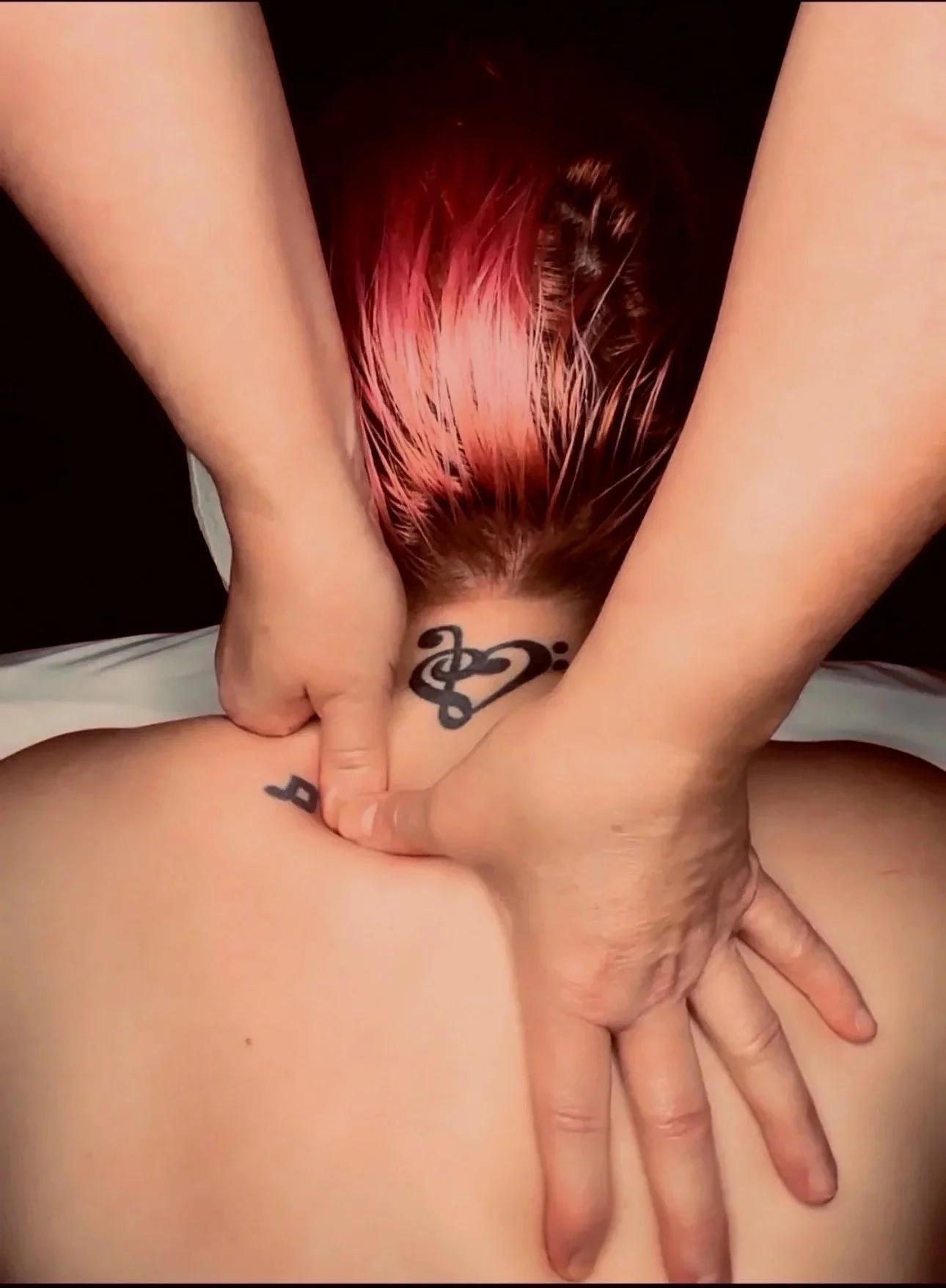
Deep tissue massage treatment releasing tension under the shoulder blade

Deep Tissue Massage and Postural Patterns

Postural habits play a significant role in many muscular pain patterns. The body continuously adapts to the positions and movements that occur most frequently throughout the day.

Over time, certain muscles may become shortened while others are forced to work harder to stabilize surrounding structures. These imbalances can gradually contribute to restricted mobility, fatigue, and discomfort.

Deep tissue massage is frequently used to address postural patterns such as:

• Forward head posture

• Rounded shoulder positioning

• Elevated shoulder patterns

• Chronic upper back tension

• Muscular imbalance around the shoulder girdle

By reducing excessive muscular tension and restoring mobility in these areas, therapeutic massage may help the body move more efficiently and with less strain.

Clients often report that everyday activities such as sitting, reaching, or turning the head become more comfortable once these patterns are addressed.

What a Deep Tissue Massage Session Is Like

Each deep tissue massage session begins with a conversation about the client’s current symptoms and daily activities. This initial discussion helps identify areas of discomfort as well as patterns that may be contributing to muscular tension.

Rather than using the same routine for every client, sessions are structured to focus on the specific muscular patterns involved in the individual’s discomfort.

During the session, attention may be directed toward muscles involved in:

• Shoulder movement and stabilization

• Upper back and neck function

• Postural support structures

• Arm and shoulder girdle movement

The goal of therapeutic massage is not simply to address a single painful spot but to work with the broader pattern responsible for the discomfort. By approaching the body as an interconnected system of muscles and connective tissue, treatment can be directed toward the underlying structures that contribute to strain.

Clients often describe a sense of improved mobility, reduced tension, and greater ease of movement following treatment.

Massage therapy client receiving deep tissue massage from Betsy Burkart owner of Key of Life Wellness in Charlotte Nc

Does Deep Tissue Massage Hurt?

A common question about deep tissue massage from new clients is whether the treatment is painful. While the name “deep tissue” may suggest intense pressure, the primary goal of therapeutic massage is not simply to apply greater force.

Instead, deep tissue massage focuses on working gradually with areas of muscular tension to encourage release and improved mobility. The pressure used during treatment is adjusted based on the client’s comfort level and the responsiveness of the tissues.

Some areas of muscular tension may feel sensitive when addressed, particularly if the muscles have been tight for an extended period. However, the intention is always to work within a level of pressure that allows the body to respond positively.

Communication between the therapist and client is an important part of this process. Adjustments can be made throughout the session to ensure that the work remains productive and comfortable.

Deep Tissue Massage and Neuromuscular Techniques

Many clients request deep tissue massage when they are experiencing chronic muscular tension or persistent pain patterns. During treatment, it may become clear that certain areas of discomfort are related to specific trigger points or muscular imbalances.

In these situations, treatment may incorporate neuromuscular techniques that focus on the precise muscles contributing to the pain pattern.

Neuromuscular therapy involves working with specific trigger points and muscle groups to reduce referred pain and restore normal muscular function. This targeted approach can be especially helpful when discomfort originates from a particular muscle rather than from generalized tension.

By integrating these techniques when appropriate, sessions can address the structures responsible for the discomfort rather than simply applying deeper pressure to the area where pain is felt.

Deep Tissue Massage for Lower Back and Hip Tension

While many individuals seek deep tissue massage for neck and upper back discomfort, lower back and hip tension are also common reasons for therapeutic treatment.

The muscles surrounding the lower back and hips play a critical role in supporting the spine and stabilizing the pelvis during movement. Prolonged sitting, repetitive activities, or athletic strain can contribute to tightness in these structures.

Muscles frequently involved in lower back tension include:

• Quadratus lumborum

• Gluteal muscles

• Hip rotators

• Erector spinae

Deep tissue massage may help reduce muscular tightness in these areas, allowing the hips and lower back to move more comfortably.

When these structures function more efficiently, many clients notice improvements in everyday movements such as walking, bending, or transitioning between sitting and standing.

Charlotte office worker experience headache, neck, and shoulder pain due to desk work

When Deep Tissue Massage May Be Helpful

Deep tissue massage is commonly used to address a variety of muscular issues, particularly those that develop gradually over time.

Clients often seek therapeutic massage for concerns such as:

• Chronic shoulder tension

• Neck stiffness

• Tension headaches related to muscular strain

• Postural discomfort from desk work

• Persistent muscular tightness

• Limited mobility from muscular restriction

Individuals who spend long hours at computers frequently find that regular therapeutic sessions help maintain mobility and reduce muscular fatigue.

Because many muscular patterns develop over time, periodic treatment can help maintain balanced movement and prevent the gradual return of tension.

Deep Tissue Massage in Charlotte at Key of Life Wellness and Massage

Key of Life Wellness and Massage in Charlotte focuses on therapeutic bodywork designed to address real muscular problems rather than simply providing temporary relaxation.

With over 20 years of experience in neuromuscular and therapeutic massage, each session is structured to identify and address the muscular patterns contributing to discomfort.

Rather than applying a routine sequence of techniques, treatment is tailored to the specific structures involved in each client’s symptoms. This approach allows sessions to focus on the underlying causes of tension and restricted movement.

Many clients seeking relief from desk-related pain, shoulder tension, or postural strain find that targeted therapeutic massage can play an important role in restoring comfortable movement.

If you are experiencing ongoing muscular tension, restricted mobility, or persistent discomfort, deep tissue massage may help support improved function and reduced strain throughout the body.

Chronic back, shoulder, and neck pain can make even simple movements feel exhausting. Whether caused by desk work, repetitive strain, injury, or long-standing muscular imbalance, persistent tension rarely resolves on its own. Targeted therapeutic bodywork helps identify and address the specific muscles responsible for pain, restoring mobility and reducing strain at its source.

At Key of Life Wellness and Massage, treatment focuses on precision-based therapeutic work designed to produce measurable, lasting relief.

Relief for Common Pain Conditions

This work helps new clients experiencing:

• Chronic upper back tension

• Shoulder pain and restricted movement

• Neck stiffness and muscular tightness

• Desk posture–related pain

• Muscle knots between the shoulder blades

• Tension headaches caused by muscular strain

• Limited range of motion in the shoulders or neck

• Persistent muscular fatigue or soreness

These patterns often develop gradually over time and require targeted treatment to resolve fully.

Massage client receiving targeted therapeutic deep tissue massage at Key of Life Wellness in Charlotte, NC

A Targeted, Clinical Approach to Pain Relief

Years of hands-on therapeutic practice have shaped this targeted approach to treatment, focusing on identifying the underlying muscular causes of pain rather than applying generalized pressure.

This approach may include:

• Neuromuscular Therapy

• Deep Tissue Massage

• Trigger Point Therapy

• Postural correction work

• Targeted muscle release techniques

Each session is customized to address the client’s specific muscular patterns, allowing treatment to address the root cause of tension and dysfunction.

Why Clients in Charlotte Choose Targeted Therapeutic Bodywork

Many clients seek treatment after experiencing ongoing pain that does not improved with rest, stretching, or general massage. Precision-based therapeutic work helps:

• Reduce chronic muscular tension

• Improve mobility and range of motion

• Decrease pain and discomfort

• Support postural correction

• Restore normal muscular function

This approach is especially effective for professionals, desk workers, and active individuals experiencing repetitive strain.

Deep Tissue Massage FAQ

Does deep tissue massage hurt?

Deep tissue massage does not need to be painful to be effective. While treatment focuses on deeper layers of muscle and connective tissue, pressure is always adjusted based on the client’s comfort level and how the body responds during the session. Some areas of chronic tension may feel sensitive at first, but the goal is always to work gradually so the body can release tension without unnecessary discomfort.

What conditions can deep tissue massage help with?

Deep tissue massage is commonly used to address chronic muscular tension and movement restrictions. Many clients seek treatment for issues such as neck stiffness, shoulder tension, upper back pain, lower back discomfort, and postural strain caused by long hours at a desk or repetitive work activities.

By addressing specific muscles and trigger points, deep tissue massage can help restore normal movement patterns and reduce muscular strain.

How often should you get a deep tissue massage?

The ideal frequency depends on the individual and the type of tension being addressed. Some clients benefit from sessions every few weeks while working through chronic tension patterns, while others schedule maintenance sessions once their symptoms have improved.

During treatment, the therapist can help identify patterns contributing to discomfort and discuss options for ongoing care if needed.

Is deep tissue massage the same as neuromuscular therapy?

Deep tissue massage and neuromuscular therapy often overlap, but neuromuscular therapy focuses more specifically on trigger points and muscle imbalances that create referred pain patterns.

Many therapeutic massage sessions incorporate both approaches when appropriate in order to address the muscles responsible for pain rather than only treating the area where discomfort is felt.

Can deep tissue massage help desk-related neck and shoulder pain?

Yes. Many clients experiencing tension from desk work develop tightness in the chest, neck, and upper back muscles due to prolonged sitting and forward head posture. Deep tissue massage can help reduce tension in these muscles while supporting improved mobility and postural balance.

Deep Tissue Massage in Charlotte, NC

Key of Life Wellness and Massage in Charlotte focuses on therapeutic massage designed to address real muscular problems, rather than simply providing temporary relaxation.

If you are experiencing ongoing tension, restricted movement, or persistent muscular pain, deep tissue massage may be an effective part of restoring comfortable movement.

You can learn more about available services here: