Why Sitting All Day Causes Low Back and Hip Pain… Even Though You’re Not Moving
One of the things I hear all the time as a massage therapist at Key of Life Wellness and Massage is some version of: “I don’t understand why my back hurts so much… I sit all day.” And I get why that feels confusing.
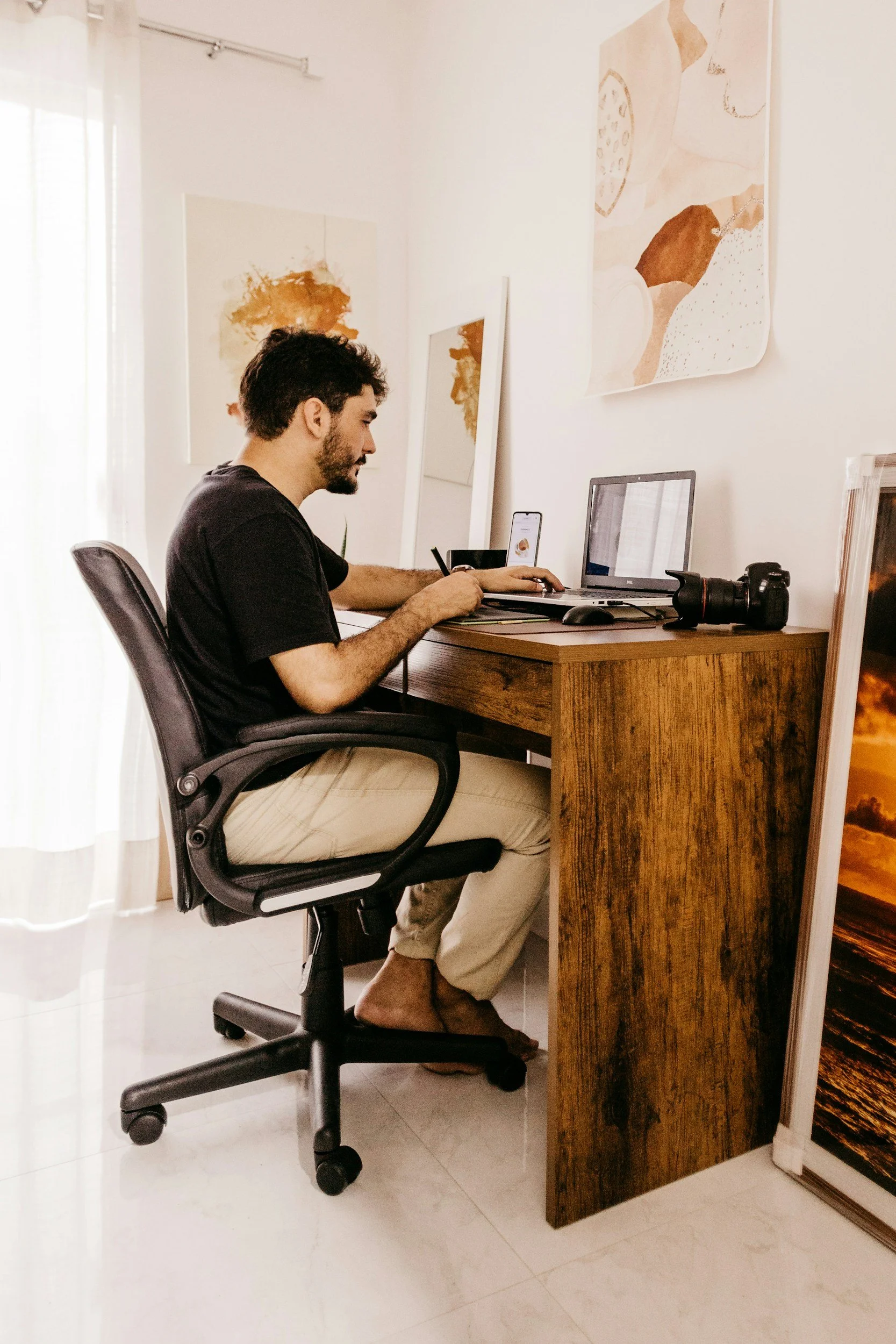
Sitting for long periods can create constant low-level strain on the muscles that support your spine and hips.
When we think about pain, we usually associate it with doing something physical. Lifting, bending, working hard, being on your feet all day. So if you’re sitting at a desk, it doesn’t seem like your body should be under that much stress.
But here’s the part most people don’t realize:
Just because you’re not moving doesn’t mean your body isn’t working.
Sitting Isn’t Passive for Your Body.
Even when you’re sitting, your body is actively holding you upright.
You’re not just “resting” in the chair. Your muscles are constantly working to keep you from collapsing forward, slumping to one side, or drifting into your desk.
This involves several muscle groups working together the entire time you’re at your computer:
The paraspinal muscles in your low back help keep your spine upright
The hip flexors, especially the psoas and iliacus, help hold your legs and pelvis in position
The abdominal muscles provide support from the front of the body
The glutes are compressed against the chair and often aren’t able to function normally
The quads help stabilize your legs in a fixed position
None of this is high-intensity effort… but it’s constant.
Why Sitting All Day Creates Low-Level Muscle Strain
A helpful way to think about this is the difference between:
lifting something heavy for a short period of time
versus holding something light for hours
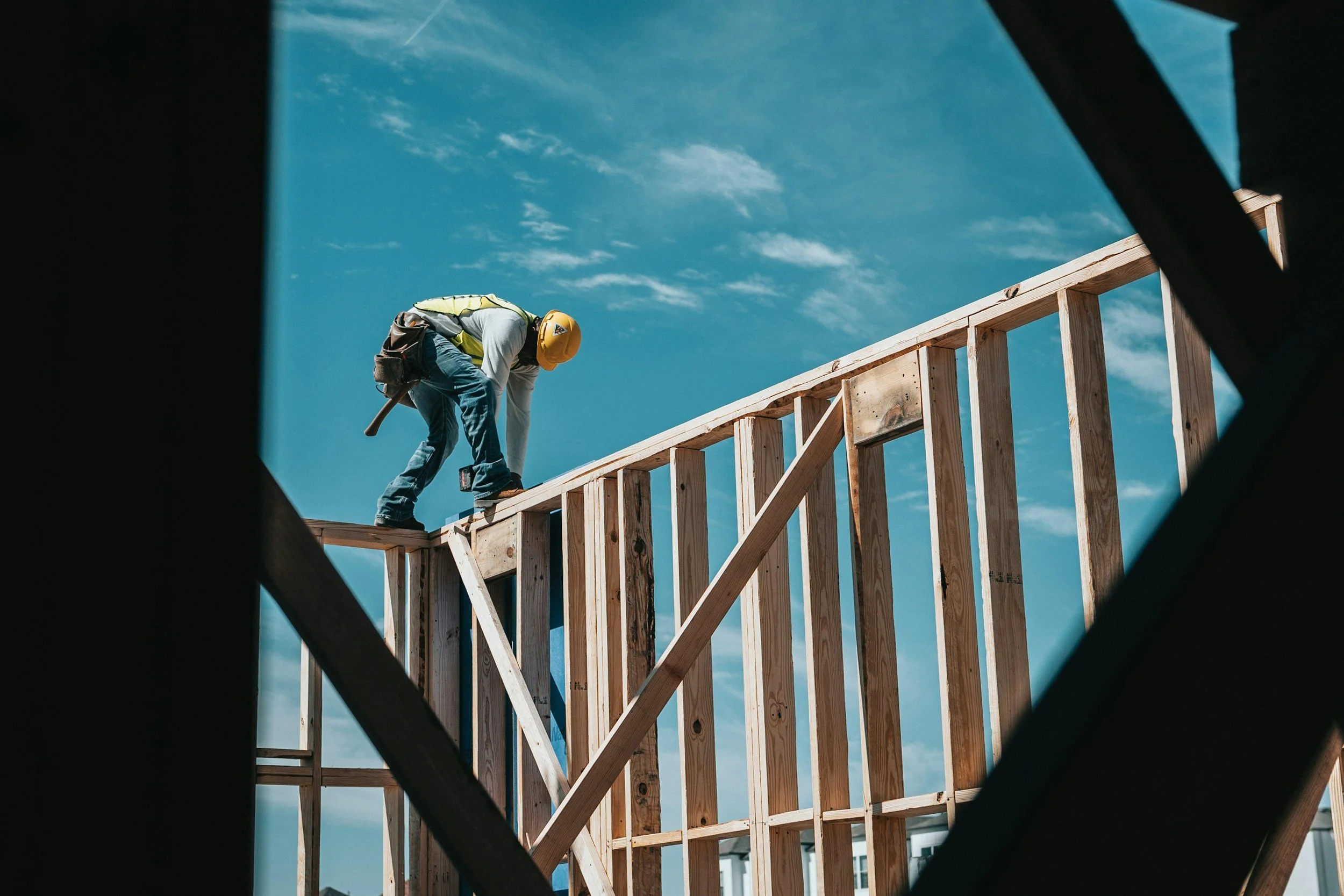
Short bursts of heavy effort stress the body differently than low-level muscle engagement sustained for hours.
Both can create strain. They just do it in different ways. Blue-collar work tends to involve short bursts of higher load. You feel it while you’re doing it. Desk work is the opposite. It’s low-level muscular engagement that never really turns off. Your muscles don’t get a break. They don’t fully relax. They stay slightly ‘on’ all day long. Over time, that constant demand can lead to fatigue, tightness, and eventually pain.
Why Sitting Often Leads to Low Back and Hip Pain
When you stay in a seated position for long periods, your body starts to adapt to that position.
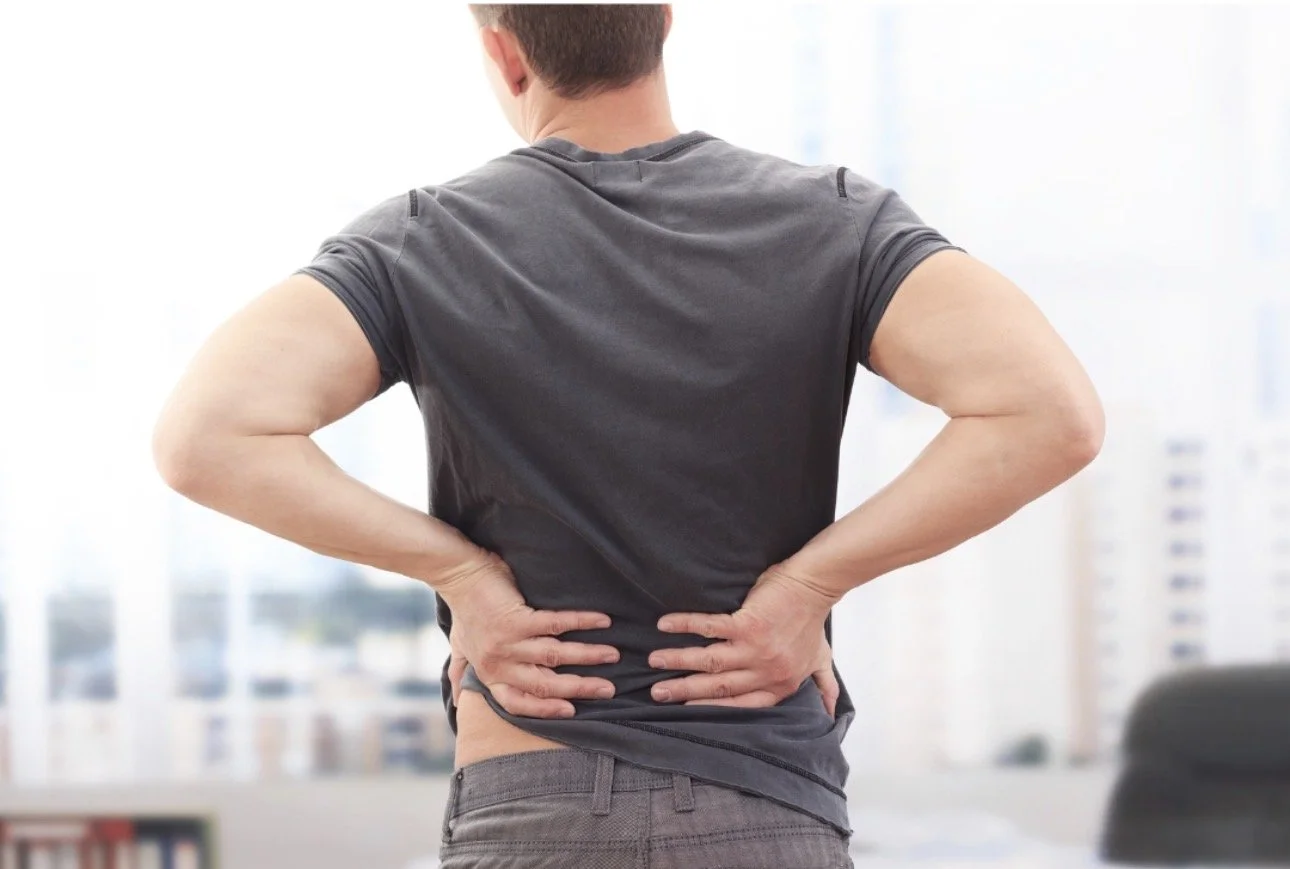
Prolonged sitting can lead to tightness in the hips and fatigue in the low back muscles.
The hips remain flexed
The pelvis stays relatively fixed
The spine is held in a relatively narrow range of motion
Certain muscles begin to take on more work than they were designed to handle for that long. The muscles in the low back often become overworked trying to keep the spine upright. At the same time, the hip flexors can become shortened from being in a bent position all day. The glutes, which are important for stabilizing the pelvis and supporting movement, are often compressed and underactive.
This combination can start to create a pattern where:
the low back feels tight or fatigued
the hips feel restricted
movement becomes less comfortable over time
Many people eventually describe this as a dull ache in the low back, stiffness in the hips, or even symptoms that feel like “sciatica.”
How Small Sitting Habits Create Low Back and Hip Tension
Another thing I see all the time is that no one sits perfectly symmetrical all day. Even if your workstation is set up well, your body will still fall into habits.
You might:
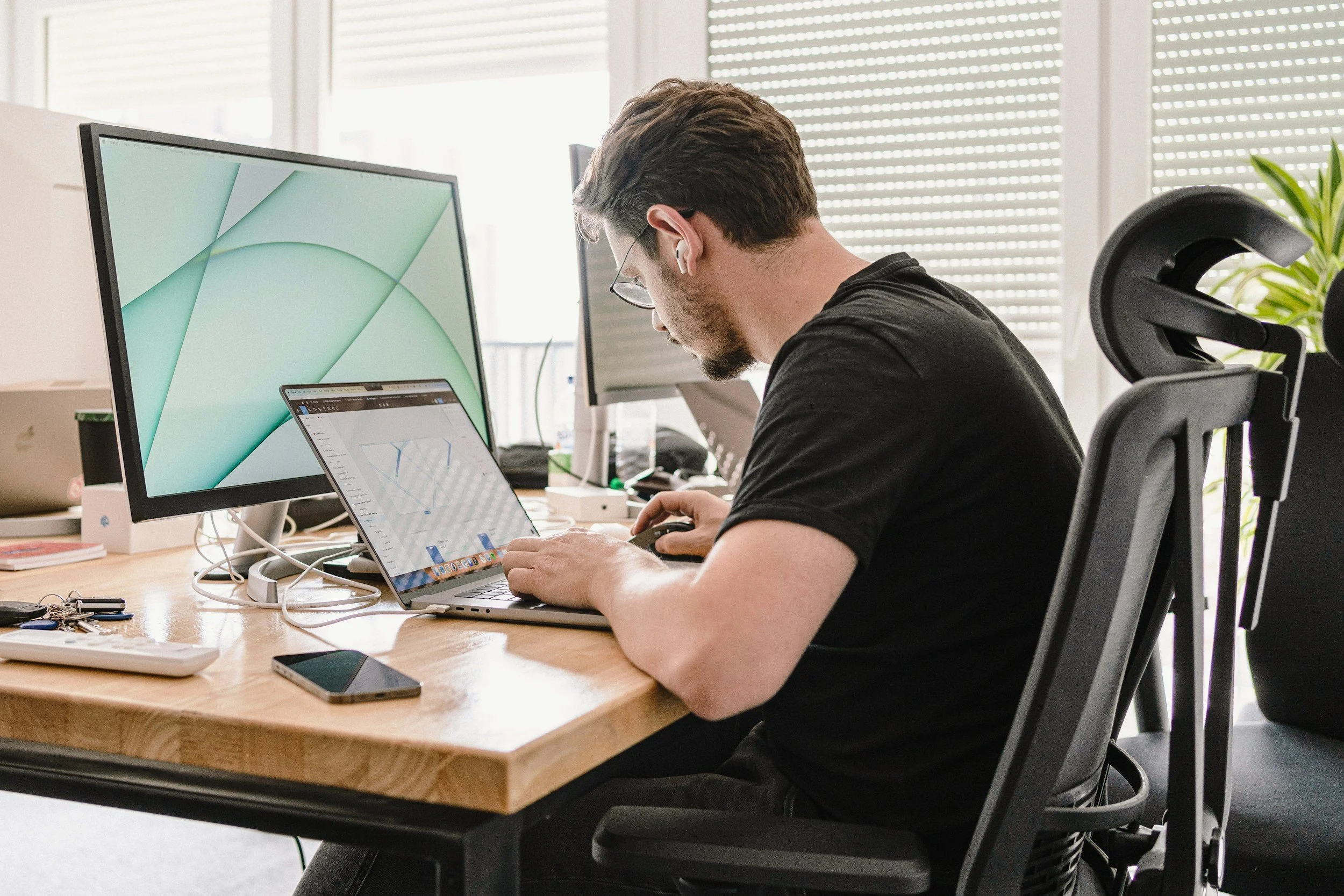
Small, repeated shifts in posture can create imbalances that build into discomfort over time.
lean slightly to one side
keep more weight on one hip
reach for your mouse with the same arm all day
rotate slightly toward one screen if you’re using multiple monitors
These small, repeated patterns create subtle imbalances. Over time, those imbalances can lead to one side of the low back or hip feeling tighter or more irritated than the other.
That’s why a lot of people come in saying: “It’s mostly on one side.”
Why Low Back Pain Can Feel Like Sciatica
When tension builds in the muscles around the hips and low back, it can start to affect how pressure is distributed through the pelvis and surrounding tissues. Sometimes that tension can create discomfort that travels into the glutes or down the leg. People often describe this as “sciatica,” even though the underlying issue is frequently related to muscular tension and imbalance rather than a single structural problem. This is where it becomes important to look at the entire pattern, not just the place where the pain is showing up.
Why Stretching Does Not Always Fix Pain From Sitting All Day
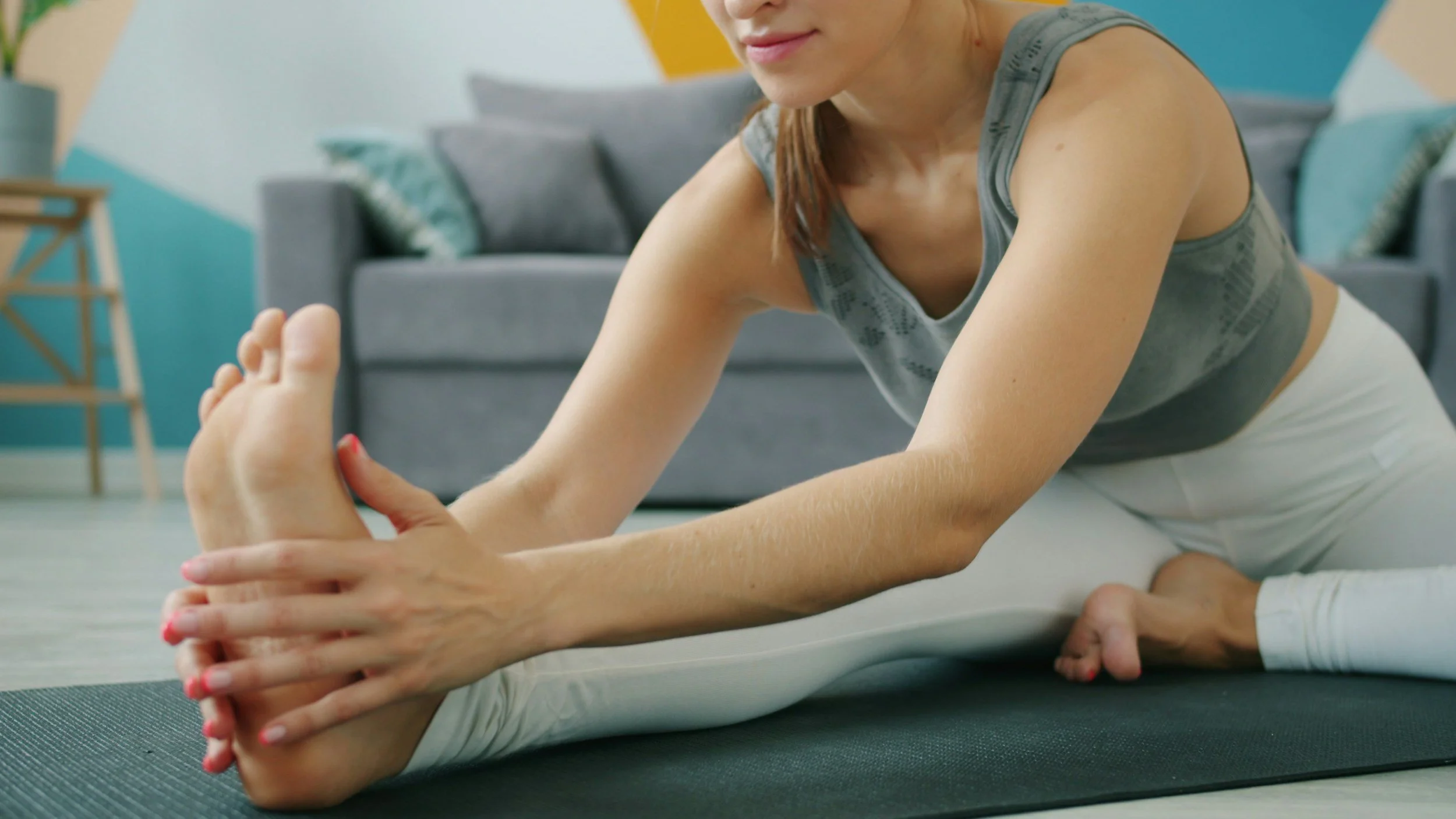
Stretching can feel helpful temporarily, but it doesn’t always address the underlying patterns causing tension.
A lot of people try to manage their pain by stretching, using tools like foam rollers or with topical analgesics. And those things can feel helpful in the moment. But if the underlying pattern is still there, the way you’re sitting and the way your muscles are being used all day, then tension often comes back. That’s because the body is still adapting to the same daily position.
How Therapeutic Massage Helps Low Back and Hip Pain From Sitting
When someone comes in with this kind of pattern, the goal isn’t just to work on the area where you feel pain. It’s to look at how the muscles of the low back, hips, and surrounding structures are functioning together.
In many cases, that means working with:
the low back muscles that have become overworked
the hip flexors that may be shortened
the glutes and surrounding tissues that are not functioning optimally
the connective relationships between these areas
This is where more targeted approaches, like deep tissue massage and neuromuscular therapy, can be especially helpful. By working with the specific muscles contributing to the pattern, it becomes possible to reduce some of that constant strain and allow the body to move more comfortably again. For many people dealing with ongoing discomfort from sitting, targeted therapeutic massage for chronic muscle pain can help address the underlying patterns rather than just providing temporary relief.
Why Sitting Is Not Passive for Your Low Back and Hips
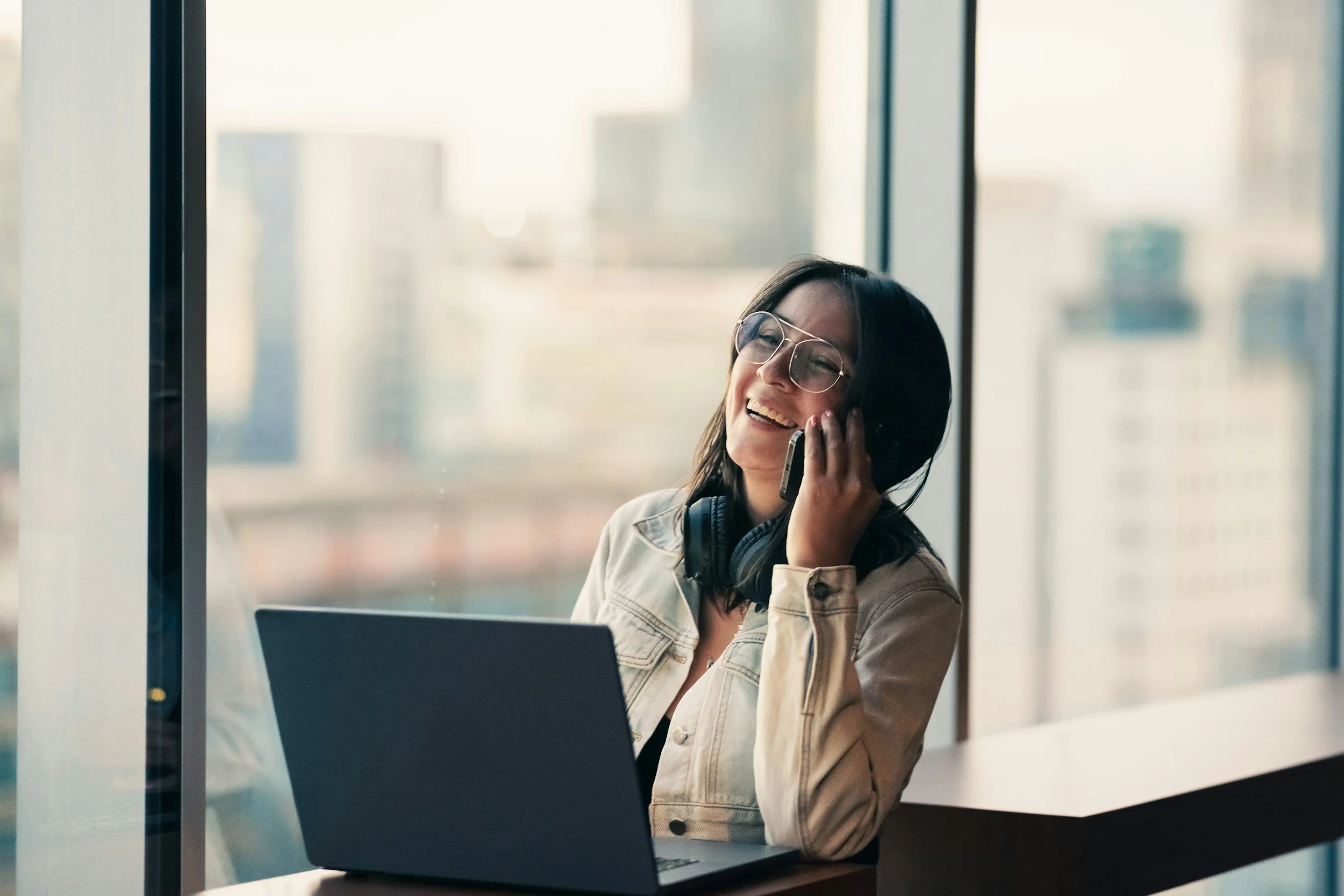
Even when it feels passive, sitting requires constant muscle activity to keep your body upright.
The biggest shift for most people is realizing this: Sitting all day doesn’t mean your body isn’t working. It just means your body is working in a different way.
Instead of short bursts of effort, it’s dealing with constant, low-level demand that builds over time. Once you understand that, it becomes a lot easier to make sense of why your body feels the way it does and why addressing those patterns can make such a difference.
When to Book Massage for Low Back and Hip Pain in Charlotte
If you’ve been dealing with low back or hip discomfort that seems to build throughout the day, you’re not alone. This is one of the most common patterns I see, especially in people who spend a lot of time at a desk. And in many cases, once the right areas are addressed, people start to notice meaningful changes in how their body feels both at work and outside of it.
You can explore your options for therapeutic massage in Charlotte, or book a new client session to start working through these patterns in a more targeted way.