Can Massage Therapy and Physical Therapy Work Together?
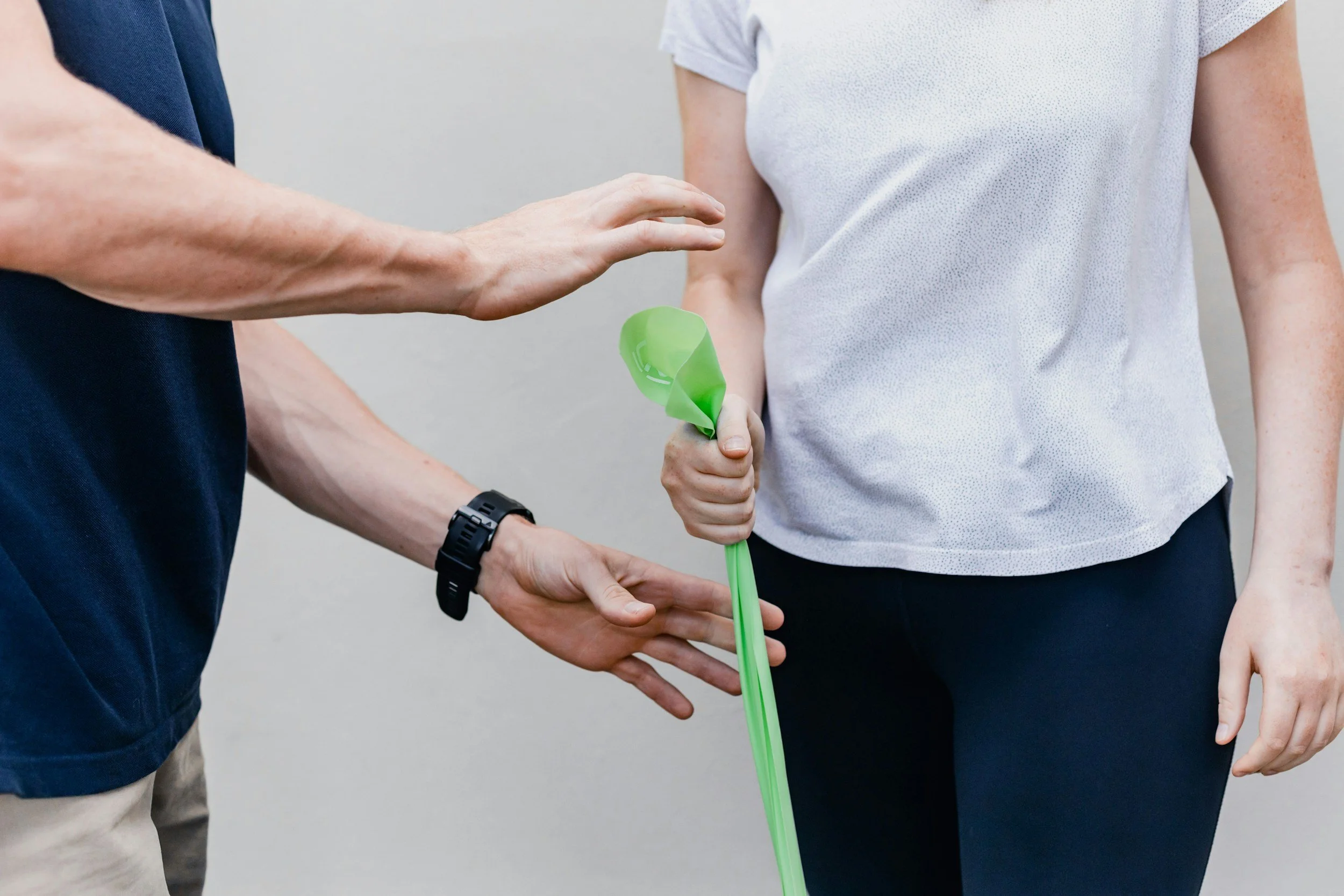
Massage therapy and physical therapy can work together when soft tissue restrictions, movement patterns, strength, and mobility are all part of the larger picture.
Many people dealing with chronic pain, postural strain, repetitive movement injuries, hypermobility, old injuries, or desk-related discomfort eventually wonder whether massage therapy and physical therapy can work together.
The answer is often yes.
Massage therapy and physical therapy are different professions with different training, different scopes of practice, and different goals. Physical therapy often focuses on rehabilitation, strengthening, movement quality, injury recovery, balance, joint function, and long-term functional improvement. Therapeutic massage focuses more directly on soft tissue restrictions, muscle tension, trigger points, fascial patterns, and the way the nervous system responds to hands-on bodywork.
At Key of Life Wellness & Massage, this kind of complementary care has been especially helpful when clients are also working with local physical therapists. Over the years, I have worked with clients who were also receiving care from providers in the Charlotte area, including Fight Back Performance & Recovery, located nearby in South Charlotte.
One of the most helpful parts of this kind of teamwork is communication. When a client brings in a list of muscle groups or regions their physical therapist would like addressed, the massage session can become more targeted and supportive of the larger treatment plan. The physical therapist may be working on strength, stability, mobility, or movement patterns, while therapeutic massage can focus more directly on the soft tissue restrictions that may be making those movements harder to access.
For many clients, the two approaches are not competing with each other. They are addressing different parts of the same problem.
If you are exploring options for long-term relief, the new client special offers an opportunity to experience how focused therapeutic bodywork may fit into your overall wellness plan.
How Massage Therapy and Physical Therapy Can Support Each Other
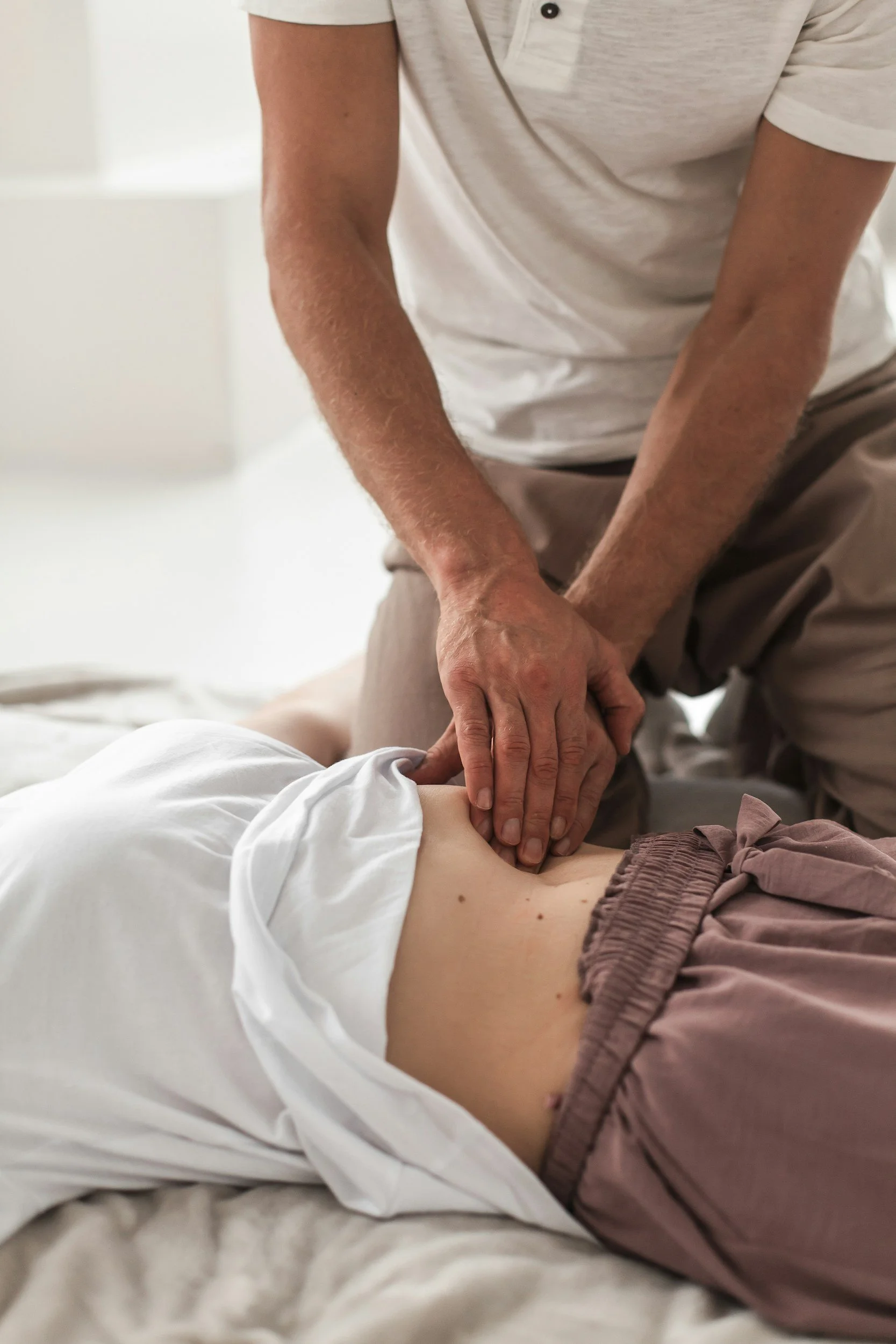
Focused massage therapy may help address anterior fascial restrictions and front-body tension patterns that affect posture, hip movement, low back comfort, and overall mobility.
One of the best ways therapeutic massage and physical therapy can work together is by addressing both restriction and function.
At Key of Life Wellness & Massage, many sessions focus on anterior fascial restrictions and front-body tension patterns. For people who sit for long hours, drive frequently, work at a computer, train hard, or carry stress through the chest, shoulders, hips, and abdomen, the front of the body can become restricted over time. These restrictions may affect posture, breathing, shoulder mobility, hip extension, low back comfort, and the way the body moves as a whole.
Physical therapy often approaches the same larger pattern from another angle. A physical therapist may be working to improve strength, joint stability, mobility, balance, gait, exercise form, or functional movement. In many cases, this includes strengthening areas that have become underused, inhibited, or less efficient because the body has been compensating around long-standing tension patterns.
This is where the two approaches can complement each other well. Massage therapy can help address the soft tissue restrictions that make movement feel guarded or limited, while physical therapy can help retrain the body to move with better strength, control, and stability.
For example, someone with rounded shoulders and neck tension may need soft tissue work through the pecs, shoulders, anterior neck, upper back, and arms. That same person may also benefit from physical therapy exercises that improve shoulder blade control, upper back strength, posture, and movement mechanics.
Someone with low back or hip discomfort may need soft tissue work through the hip flexors, quadriceps, abdomen, glutes, and low back. Physical therapy may then help improve glute strength, core control, hip stability, gait mechanics, or movement confidence.
The goal is not for one treatment to replace the other. The goal is for each profession to support the part of the pattern it is best suited to address.
Is Massage Therapy the Same as Physical Therapy?
Massage therapy and physical therapy are not the same thing.
Physical therapists are healthcare professionals trained to evaluate movement, restore function, guide rehabilitation, build strength, improve mobility, and help people recover from injury, surgery, chronic pain, or movement limitations.
Massage therapists are trained in hands-on soft tissue treatment. Therapeutic massage and neuromuscular bodywork focus on muscles, fascia, trigger points, compensation patterns, tension patterns, and the soft tissue restrictions that may contribute to pain or limited movement.
There is natural overlap because both professions work with muscles, joints, posture, movement, and pain patterns. However, the focus of each appointment is usually very different.
A physical therapy appointment may include movement assessment, strengthening exercises, mobility work, balance training, manual therapy, dry needling, joint mobilization, education, and a home exercise plan. A therapeutic massage appointment is devoted to hands-on soft tissue treatment.
That difference is one reason the two can work well together.
Do Physical Therapists Do Massage?
Massage therapy and physical therapy can complement each other when soft tissue restrictions, muscle tension, and movement patterns are all part of the same larger picture.
Some physical therapists use hands-on techniques that may feel similar to massage, but massage is usually only one part of a larger physical therapy appointment.
Physical therapists may use manual therapy, soft tissue mobilization, stretching, joint mobilization, manipulation, cupping, instrument-assisted soft tissue mobilization, dry needling, corrective exercise, and strengthening work depending on their training and the client’s needs.
Massage therapists, by comparison, devote the entire session to manual soft tissue work. That means the treatment can spend more time addressing specific muscular tension, trigger points, fascial restrictions, and compensation patterns across multiple regions of the body.
This is why many people benefit from both. Physical therapy can guide the rehabilitation and strengthening plan, while massage therapy can provide more focused time on the soft tissue restrictions that may be making movement feel limited, guarded, or uncomfortable.
Can You Get Massage Therapy While Going to Physical Therapy?
Many people can receive massage therapy while they are also going to physical therapy, as long as massage is appropriate for their condition and does not conflict with their provider’s recommendations.
Massage may be especially helpful between PT appointments when a person is dealing with chronic muscular guarding, limited range of motion, postural tension, or soft tissue restrictions that make exercises feel harder to perform.
For example, a person may be working with a physical therapist on hip stability, glute strength, gait mechanics, or core control. At the same time, they may have tension through the hip flexors, quadriceps, glutes, low back, or deep rotators that makes movement feel restricted. Focused massage therapy may help reduce some of that soft tissue tension so the strengthening work feels more accessible.
Massage therapy does not replace the strengthening, rehab, or movement retraining that physical therapy provides. It may simply help the body feel more comfortable doing that work.
Should You Get Massage Before or After Physical Therapy?
Whether massage is better before or after physical therapy depends on the person, the condition, and the goal of treatment.
Some people prefer massage before PT because reducing muscular tension may help them move more comfortably during exercises. This can be especially helpful when the body feels guarded, stiff, or resistant to movement.
Other people prefer massage after PT because it helps reduce post-exercise soreness, calm tension, and support recovery after a more active rehabilitation session.
For people in an active injury recovery plan, it is usually best to ask the physical therapist whether massage should happen before or after a PT session. For chronic tension, desk-related discomfort, or long-standing postural strain, the timing may be more flexible.
At Key of Life Wellness & Massage, the goal is not to interfere with physical therapy. The goal is to support the client’s larger care plan by addressing soft tissue restrictions in a thoughtful and appropriate way.
Dry Needling and Massage Therapy: How Are They Different?
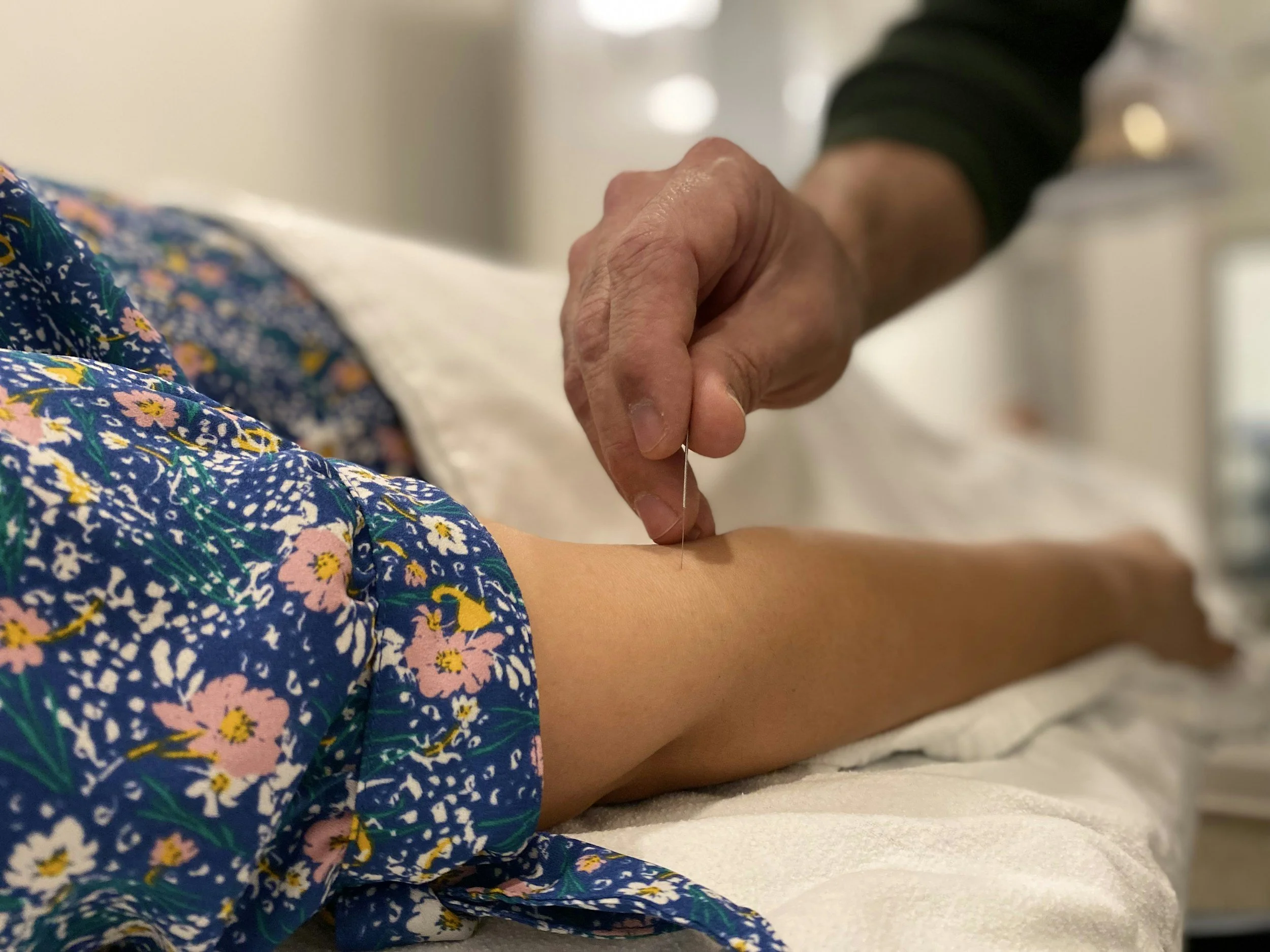
Dry needling and massage therapy are different approaches, but both may be used to address muscle tension, trigger points, pain, and limited mobility.
Dry needling and massage therapy are very different treatments, but they are sometimes used for similar complaints, such as muscle tightness, trigger points, pain, and limited mobility.
Dry needling is performed by trained healthcare providers, including some physical therapists. It uses a very thin needle to target specific tissues, often with the goal of reducing pain, improving muscle function, and helping restore movement. Some people find dry needling especially helpful for deeper trigger points or stubborn areas that do not respond as well to surface-level pressure.
Massage therapy does not use needles. It works through hands-on pressure, compression, friction, stretching, trigger point work, myofascial techniques, and other manual methods to address soft tissue tension and nervous system response.
Some clients find that dry needling and massage therapy work well together because they affect the body differently. Dry needling may help address a very specific point of restriction, while massage therapy can work more broadly through the surrounding muscles and compensation patterns.
Can Massage Help After Dry Needling?
Some people like receiving massage after dry needling, but timing matters.
After dry needling, the treated area may feel sore, tired, or tender. Some people feel immediate relief, while others feel like they did a deep workout in that muscle. Gentle movement, hydration, and following the physical therapist’s instructions are usually important after a dry needling session.
Massage therapy may be helpful after dry needling when the goal is to work through the surrounding muscles rather than aggressively treating the exact same area too soon. For example, if dry needling was used on the upper traps, massage may focus on the pecs, neck, shoulder blade muscles, and surrounding postural patterns. If dry needling was used on the hip, massage may focus on the low back, glutes, hip flexors, quadriceps, and surrounding soft tissue restrictions.
The goal is not to overwork the tissue. The goal is to support the larger pattern.
Massage Therapy and Physical Therapy for Hypermobility

For hypermobile clients, physical therapy may help build strength and stability while massage therapy supports the soft tissue side of muscular guarding and overworked tissues.
Hypermobility can make the relationship between tightness and weakness more complicated.
Some hypermobile clients feel tight even though their joints already move more than average. In these cases, the sensation of tightness may come from muscles working overtime to create stability. The body may be trying to protect joints that do not feel fully supported.
This is one reason physical therapy can be so important for hypermobility. Strength, control, coordination, and joint stability often matter more than simply stretching more.
Massage therapy may still be helpful, but it needs to be approached thoughtfully. The goal is usually not to create more looseness in already mobile joints. Instead, massage may focus on reducing painful muscular guarding, calming overworked tissues, improving comfort, and helping the client feel less restricted without pushing the body into excessive range.
For hypermobile clients, massage therapy and physical therapy can complement each other especially well when the physical therapist is guiding the strengthening and stabilization plan while massage supports the soft tissue side of the pattern.
Can Massage Therapy Help PT Exercises Feel Easier?
Physical therapy exercises can be difficult when the body feels tight, guarded, or uncomfortable.
Sometimes a person understands the exercise, wants to do the work, and is committed to getting better, but their body feels like it is fighting them. The movement may feel stiff, awkward, pinchy, or limited. In those cases, soft tissue restrictions may be one piece of the problem.
Massage therapy may help by reducing muscular guarding and improving comfort in the areas that are limiting movement. This can make it easier to perform exercises with better form and less compensation.
For example, someone doing shoulder rehabilitation may struggle if the pecs, lats, upper traps, neck, and shoulder blade muscles are all contributing to restricted movement. Someone working on hip strength may struggle if the hip flexors, quadriceps, glutes, low back, or deep hip rotators are constantly tense.
Massage therapy does not do the strengthening work for the client. It may help create a better environment for that strengthening work to happen.
Massage Therapy and Physical Therapy for Desk-Related Pain
Desk-related pain is one of the most common reasons people look for both massage therapy and physical therapy.
Long hours of sitting, computer work, driving, texting, and repetitive posture can contribute to neck tension, shoulder pain, low back discomfort, hip tightness, forearm tension, headaches, and reduced mobility.
Physical therapy may help identify movement limitations, weakness, poor mechanics, or areas that need better strength and control. Massage therapy may help address the soft tissue restrictions that build up from years of repetitive posture.
For desk-related neck and shoulder pain, massage may focus on the pecs, upper back, shoulders, neck, jaw, forearms, and shoulder blade muscles. Physical therapy may focus on strengthening, postural control, mobility, and long-term movement habits.
For desk-related low back and hip pain, massage may focus on the hip flexors, quadriceps, glutes, low back, deep hip rotators, and surrounding fascial restrictions. Physical therapy may focus on hip stability, core strength, glute activation, gait mechanics, and better movement patterns.
Together, the two approaches may provide a more complete plan than either one alone.
Massage Therapy, PT, and Chronic Pain

Chronic pain often involves more than one cause, including old injuries, posture habits, muscular tension, weakness, limited mobility, and daily movement patterns.
Chronic pain often involves more than one tissue, one muscle, or one simple explanation.
There may be old injuries, protective movement habits, nervous system sensitivity, weakness, limited mobility, scar tissue, repetitive strain, joint instability, stress, sleep issues, or daily posture patterns all contributing at once.
This is where a team-based approach can be helpful.
Physical therapy may help identify functional limitations and create a plan for strength, mobility, and movement. Massage therapy may help reduce muscular tension, address soft tissue restrictions, and calm areas that feel overworked or guarded.
For many clients, massage therapy provides the hands-on support that helps them stay more comfortable while they continue doing the longer-term work of rehabilitation, strengthening, and movement change.
What Treatments Do Physical Therapists Offer That Massage Therapists Do Not?
Physical therapy and massage therapy may overlap in some areas, but physical therapists offer many treatments and services that are outside the scope of massage therapy.
Depending on the clinic and the physical therapist’s training, physical therapy may include strength testing, movement assessment, gait analysis, balance training, post-surgical rehabilitation, injury rehabilitation, return-to-sport planning, dry needling, joint mobilization, spinal manipulation, exercise programming, neuromuscular re-education, and a home exercise plan.
Some physical therapists also use tools such as cupping, instrument-assisted soft tissue mobilization, resistance training, mobility drills, and corrective exercise.
Massage therapists do not diagnose injuries, prescribe rehabilitation exercises, perform dry needling, or create physical therapy treatment plans. The role of massage therapy is different. Therapeutic massage focuses on hands-on soft tissue work, muscle tension, trigger points, fascial restrictions, and compensation patterns.
This distinction is important because clients often benefit when each provider does what they are trained to do. Physical therapy can guide the rehab and strengthening plan. Massage therapy can support the soft tissue work that helps the body feel less guarded and restricted.
Local Physical Therapy and Massage Therapy in Charlotte
Key of Life Wellness & Massage is located in South Charlotte near several healthcare and wellness providers, including Fight Back Performance Physical Therapy.
Many clients appreciate having access to different types of care in the same area, especially when they are trying to address chronic pain, injury recovery, sports performance, hypermobility, desk-related discomfort, or long-term movement issues.
Physical therapy clinics may offer services such as dry needling, manual therapy, cupping, joint mobilization, spinal manipulation, exercise programming, and rehabilitation. Massage therapy offers a different kind of support by devoting the full appointment to hands-on soft tissue treatment.
When each provider stays within their own scope of practice, the client often benefits from a more complete approach.
Looking for Massage Therapy to Complement Physical Therapy in Charlotte?

Therapeutic massage may complement physical therapy by addressing soft tissue restrictions, chronic muscle tension, and areas that feel guarded during strength and mobility work.
If you are looking for massage therapy to complement physical therapy in Charlotte, therapeutic bodywork may be a helpful part of your larger care plan.
Massage therapy may be especially useful if you are dealing with chronic muscle tension, desk-related pain, postural strain, repetitive movement patterns, soft tissue restrictions, or areas that continue to feel guarded while you are working on strength and mobility.
At Key of Life Wellness & Massage, sessions are individualized rather than one-size-fits-all. The goal is to understand the larger pattern, address the soft tissue restrictions involved, and support the client’s ability to move with more comfort.
Whether you are currently seeing a physical therapist, considering PT, recovering from an injury, managing hypermobility, trying dry needling, or working through long-standing muscle tension, therapeutic massage may help support a more complete path toward long-term improvement.