How Grief Affects the Body and How Massage Therapy May Help

Grief often affects both the mind and body. Many people experience increased tension, fatigue, disrupted sleep, and physical discomfort during periods of loss and major life change.
Most people think of grief as an emotional experience, but it often affects the body as well.
Whether the loss involves the death of a loved one, divorce, a major health diagnosis, caregiving responsibilities, job loss, or another significant life transition, grief can create physical symptoms that linger for weeks, months, or even longer.
Many people notice increased muscle tension, headaches, fatigue, disrupted sleep, jaw clenching, digestive changes, or a general feeling of heaviness throughout the body. In some cases, physical discomfort may become one of the most noticeable parts of the grieving process.
While massage therapy cannot remove grief or replace the support of family, friends, support groups, or mental health professionals, it may help address some of the physical effects that often accompany periods of loss and prolonged stress.
Why Grief Can Cause Physical Pain, Tension, and Fatigue
Grief places significant demands on the nervous system.
During periods of grief and prolonged stress, the nervous system often remains in a heightened state of alertness. Sleep may become less restorative. Breathing patterns may become shallow. Muscles may remain tense for extended periods without a person even realizing it.
Over time, this can contribute to physical symptoms such as:
Neck and shoulder tension
Frequent headaches
Jaw pain or clenching
Low back discomfort
Fatigue and low energy
Chest tightness
Difficulty relaxing
Generalized muscle soreness
Many people also become less aware of how much tension they are carrying throughout the day. They may spend hours sitting, driving, working, caregiving, or managing responsibilities while their body remains in a constant state of stress.
This connection between emotional stress and physical tension is one reason many healthcare providers encourage a comprehensive approach to wellness that addresses both physical and mental health.
Can Massage Therapy Help During Grief?
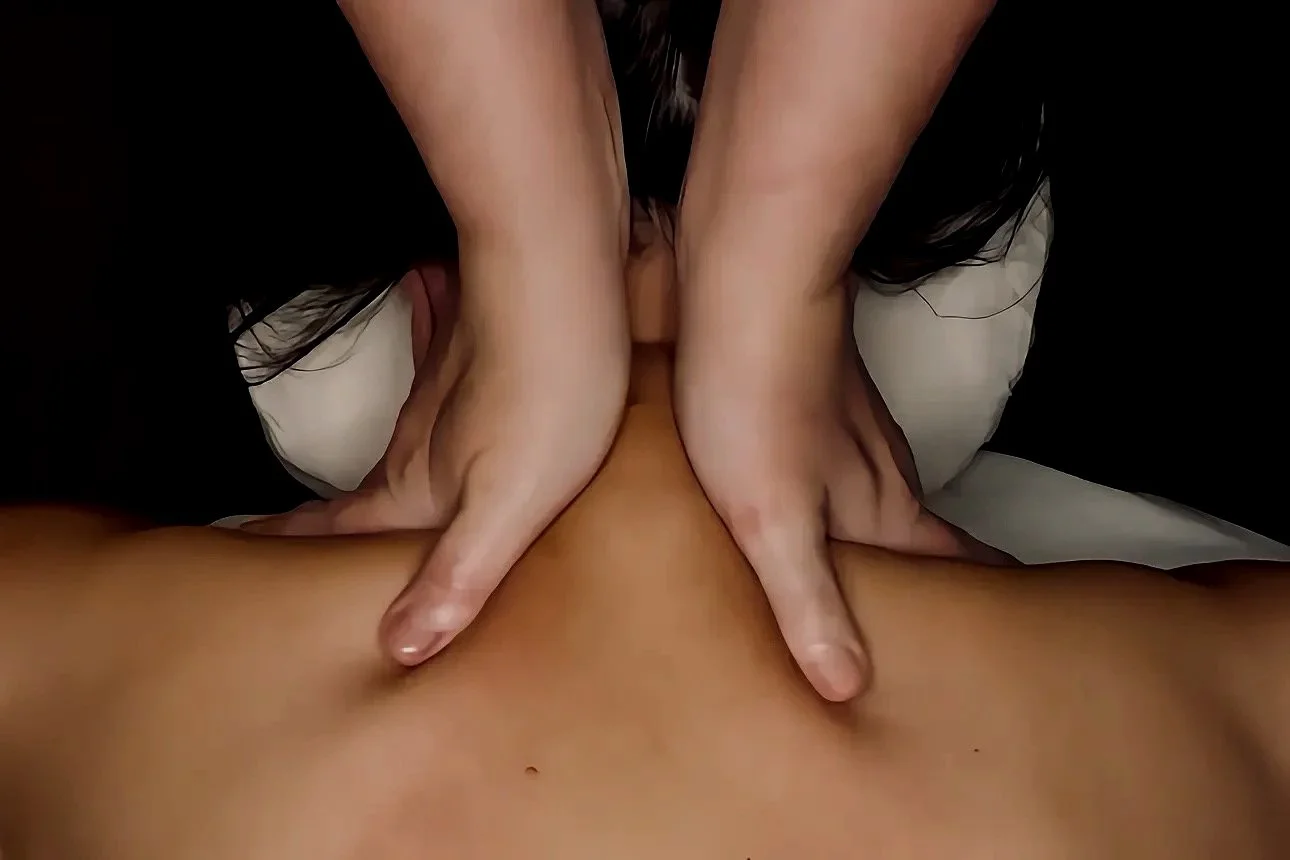
Massage therapy may help reduce muscle tension, encourage relaxation, and support overall well-being during periods of stress, grief, and major life transitions.
Massage therapy cannot eliminate grief, but it may help reduce some of the physical discomfort that often accompanies it.
Many clients seek massage because they feel physically exhausted, stiff, or overwhelmed after prolonged periods of stress. Others simply appreciate having a quiet hour where they can rest without needing to manage responsibilities, make decisions, or care for others.
Depending on the individual's goals, a session may focus on reducing muscular tension, improving mobility, encouraging relaxation, or providing general stress relief.
For many people experiencing grief, a therapeutic Swedish massage can be particularly beneficial because it emphasizes relaxation, circulation, and nervous system support while still addressing areas of tension.
Some individuals may prefer deeper, more focused work depending on their symptoms and preferences. The most appropriate approach often depends on the person's comfort level, health history, and goals for the session.
Rather than trying to "fix" grief, massage therapy provides an opportunity to support the body while the natural grieving process unfolds.
Massage Therapy Is Not a Substitute for Grief Counseling
Massage therapists work with the physical effects that stress, tension, and emotional strain can have on the body.
Grief counselors, psychologists, social workers, support groups, and other mental health professionals provide specialized emotional support and guidance.
These services serve different purposes, but they can work well together.
Someone receiving grief counseling may also benefit from massage therapy to address headaches, muscle tension, poor sleep, and other physical symptoms associated with prolonged stress. Likewise, massage therapists should recognize when a client may benefit from additional support outside the treatment room.
The goal is not to replace one form of care with another, but to recognize that emotional and physical well-being often influence one another.
What Is Grief Massage?
Some massage therapists pursue advanced continuing education focused specifically on working with individuals experiencing grief and loss.
Grief massage training explores the unique physical, emotional, and professional considerations involved when supporting grieving clients through therapeutic touch.
For massage therapists interested in learning more about this specialized area of practice, educator Amy Taylor, MA, LMBT #7632, and founder of the Institute for Grief Massage will be teaching a continuing education course in Charlotte in August 2026.
Specialized education like this helps therapists better understand how grief may affect the body, communication styles that support grieving clients, and considerations for creating a safe and supportive treatment environment.
The Importance of Human Connection During Difficult Times

While massage therapy cannot remove grief, it may help reduce physical tension, encourage relaxation, and support overall well-being during difficult times.
One of the challenges many people face during periods of grief is a sense of isolation.
Loss often changes daily routines, relationships, and social connections. During these times, supportive human interaction can become especially meaningful.
Research continues to explore how safe, supportive human connection may influence stress levels, relaxation, and overall well-being. While massage therapy is not intended to replace personal relationships or emotional support systems, many clients appreciate having a professional environment where they can simply rest, be present, and focus on their own well-being for a short period of time.
For some people, that opportunity to pause and reconnect with themselves becomes an important part of their self-care routine during difficult seasons of life.
Massage Therapy for Stress, Loss, and Life Transitions in Charlotte
Every person's experience with grief is different.
Some people seek massage after the loss of a loved one. Others are navigating divorce, caregiving responsibilities, health challenges, or major life transitions that place significant emotional and physical demands on the body.
At Key of Life Wellness & Massage in Charlotte, the focus is on helping clients reduce tension, improve comfort, and create space to rest during challenging seasons of life. Whether the goal is relaxation, pain relief, stress reduction, or improved mobility, each session is adapted to the client's needs and priorities that day.
First-time visitors can learn what to expect during their initial session, including the consultation process and how treatment is planned around their goals.
With more than 20 years of experience, Betsy Burkart LMBT #7141 works with a wide range of clients experiencing stress, chronic tension, and the physical effects of major life changes.
Curious about the approach behind Key of Life Wellness & Massage? Learn more about the clinic's Treatment Philosophy and how therapeutic bodywork is used to support relaxation, mobility, and overall well-being.
While massage therapy cannot remove the challenges that accompany grief and loss, it may help reduce physical tension, encourage relaxation, and support overall well-being during life's more difficult chapters.