Piriformis Tightness and Sciatic-Type Pain from Desk Work
Many people who sit for long hours eventually start noticing a deep, stubborn ache through the hip, glute, or back of the leg. For many clients in Charlotte who work desk-heavy jobs near SouthPark, Park Road, or South End, this pattern can build slowly over months or years of sitting, commuting, and stress-related bracing. Sometimes it feels like a dull pressure in the glute. Sometimes it feels like pulling through the back of the hip. Other times, it feels more irritated, like a burning or radiating sensation that becomes harder to ignore after sitting for too long.
This type of discomfort can be frustrating because it does not always feel like one simple muscle problem. A person may feel fine while moving around, then sit at a desk for several hours and notice the hip tightening again. Someone else may feel discomfort after driving, standing up from a chair, walking after a long workday, or trying to get comfortable on the couch at night.
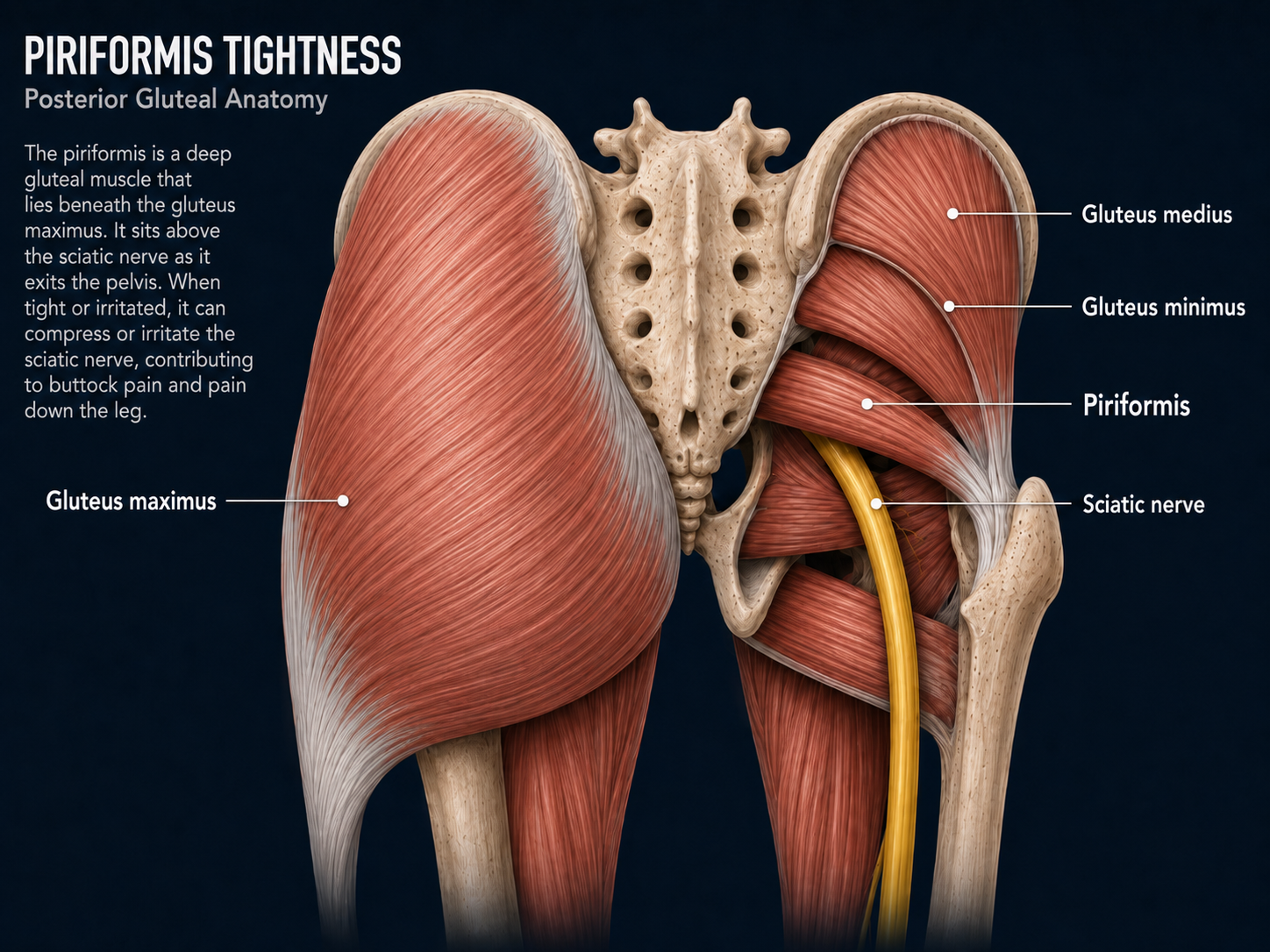
Posterior gluteal anatomy showing where the piriformis sits in relation to the sciatic nerve and surrounding hip muscles.
One muscle that commonly becomes involved in this pattern is the piriformis.
The piriformis is a small muscle located deep in the glute region. It helps rotate and stabilize the hip, and because of where it sits, it has a close relationship with the sciatic nerve and the surrounding deep hip muscles. When the piriformis becomes irritated or overworked, it can contribute to deep glute tension, hip stiffness, and symptoms that feel similar to sciatica.
In desk workers, this usually develops gradually. It is not always caused by one dramatic injury. More often, it builds from repeated sitting, reduced hip movement, pelvic compensation, and the body trying to stabilize itself around muscles that are no longer moving as freely as they should.
Why Sitting Can Irritate the Piriformis
The piriformis does not tighten in isolation. It is influenced by the way the hips, pelvis, low back, glutes, and hip flexors are working together.
When someone sits for long periods, the front of the hips can become shortened, the glutes may not engage as strongly, and the pelvis may begin to settle into a position that changes how the deep hip muscles function. The piriformis may then start working harder as a stabilizer, especially if the body feels unbalanced through the hips or low back.
There is also a compression factor. Sitting places pressure through the glute region for long stretches of time. If someone already has hip tension, low back tightness, or reduced mobility through the pelvis, that pressure can make the area feel more irritated. This is one reason the symptoms may not show up immediately at the beginning of the day but become more noticeable after hours of sitting.
A lot of clients describe this as feeling like they can never quite get comfortable. They shift in the chair, cross one leg, uncross it, lean to one side, stretch the hip, and still feel like the deep ache keeps coming back.
That is often the clue that the piriformis is not just “tight.” It may be part of a larger compensation pattern.
Why Piriformis Tightness Can Feel Like Sciatica
Many people notice symptoms traveling into the leg and immediately think of sciatica. Sometimes that is exactly what needs to be evaluated, especially if symptoms are sharp, progressive, severe, or associated with numbness, weakness, or changes in function.
But some sciatic-type symptoms can also involve muscular tension and irritation around the deep glute region. The piriformis sits near the sciatic nerve, and when this area becomes restricted, compressed, or overactive, it can create sensations that feel like pain traveling from the glute into the back of the thigh.
This does not automatically mean the piriformis is the only cause. In fact, it usually is not that simple.
For many desk workers, sciatic-type discomfort is part of a bigger pattern involving the hip flexors, glutes, hamstrings, pelvis, and low back. The painful sensation may be felt in the glute or down the leg, but the reason the area keeps getting irritated may be coming from how the whole hip and pelvic system is adapting to too much sitting.
That is why only pressing on the sore spot may not create lasting relief. The piriformis may need work, but the surrounding muscles often need attention too.
What Piriformis Tightness Usually Feels Like
Piriformis-related tension often shows up as a deep ache in the glute rather than a surface-level soreness. People may describe it as a knot, pressure, tight band, or deep pulling sensation that is difficult to stretch out.
It may feel worse after sitting for long periods, especially in a chair, car, or seated position where the hip stays compressed. Some people notice it when they stand up and take the first few steps after sitting. Others feel it more when walking, climbing stairs, or shifting weight from one leg to the other.
The discomfort can also move around. One day it may feel like low back tension. Another day it may feel more like a glute problem. Sometimes the hamstring feels involved, even though the primary restriction may be coming from higher up around the hip and pelvis.
That shifting quality is one reason these patterns can become confusing. The body is not always pointing to one isolated structure. It may be showing that several muscles are compensating around the same movement problem.
How the Hip Flexors, Glutes, and Low Back Affect the Piriformis
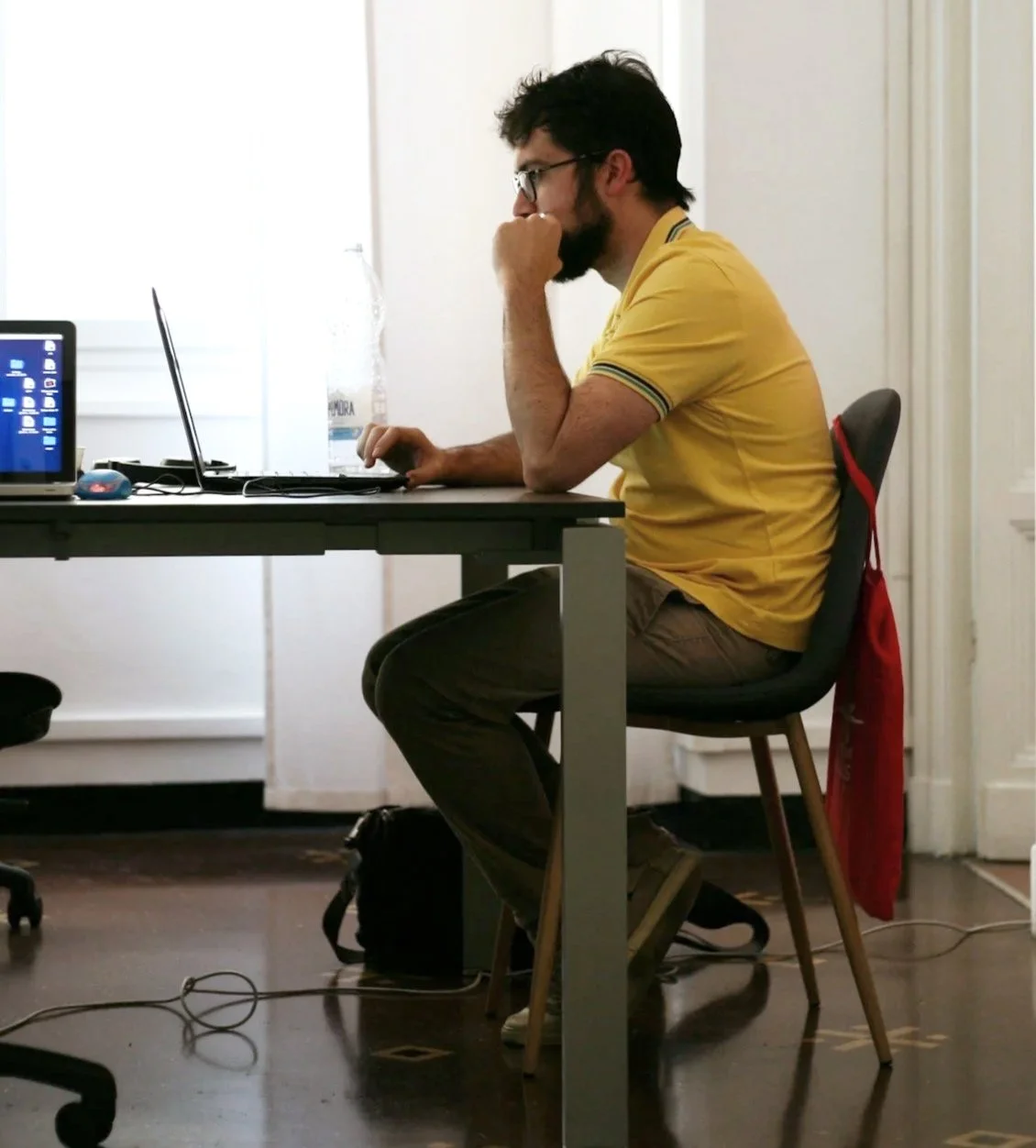
Prolonged sitting can change how the hips, pelvis, and low back work together, which may increase strain on the piriformis.
This is the part that matters clinically.
A tight piriformis is not always just a piriformis problem. If the hip flexors are tight from sitting, they can influence the position of the pelvis. If the glutes are not firing well, the smaller stabilizing muscles around the hip may begin doing more than their share. If the low back is already tense, the pelvis may lose some of its normal movement, which can make the deep hip muscles feel guarded.
The piriformis may then become part of the body’s attempt to create stability.
That is why the same symptoms can keep returning even after stretching. Stretching may temporarily reduce the sensation of tightness, but if the pelvis, glutes, hip flexors, and low back are still feeding the pattern, the piriformis may tighten again because it is still being asked to do too much.
In massage therapy, this is where assessment matters. The goal is to understand what is driving the irritation, not just where the discomfort is showing up. The front of the hip may be influencing the pelvis. The glutes may not be supporting the hip as well as they should. The low back may be bracing. One side of the pelvis may be doing more of the work, while the painful side may be compensating for something happening somewhere else.
That bigger picture is often what helps the work become more effective.
Massage Therapy for Piriformis and Sciatic-Type Tension
Massage therapy can help reduce the muscular tension patterns that develop from sitting, driving, repetitive posture, and hip compensation.
In neuromuscular therapy and deep tissue sessions, the goal is not just to dig into the most painful spot. The goal is to understand how the piriformis is interacting with the surrounding muscles and why the area keeps becoming irritated.
Treatment may include focused work through the glutes and deep hip rotators, but it often also includes the hip flexors, hamstrings, low back, and surrounding pelvic muscles. If the piriformis is tight because it is compensating for other muscles, those surrounding areas need to be addressed too.
This is why many people feel relief when the session does not only focus on the glute. The painful area matters, but the pattern around it matters just as much.
When the hips, pelvis, low back, and glutes begin moving together more efficiently, the body often does not have to guard the same area as aggressively. The piriformis may still need direct work, but it usually responds better when the whole compensation pattern is being supported.
Why Neuromuscular Therapy Can Help with Sitting-Related Hip Pain
Neuromuscular therapy is helpful for this type of pattern because it looks at more than the symptom location. Instead of treating the piriformis as a single isolated muscle, the session considers posture, muscle balance, trigger points, referral patterns, nerve irritation, and how the body has adapted over time.
For someone who sits all day, this matters because the discomfort usually has layers. There may be deep glute tension, but there may also be hip flexor shortening, low back compression, hamstring tension, and pelvic instability contributing to the same pain pattern.
A therapeutic massage approach allows the session to follow the pattern instead of chasing the pain. That may mean working the front of the hips before the glutes. It may mean addressing low back tension so the pelvis can move more freely. It may mean spending time on muscles that do not feel like the main complaint but are still feeding the irritation.
That is often the difference between temporary relief and a session that helps the body start changing the way it is holding tension.
Supporting Hip Mobility During the Workday
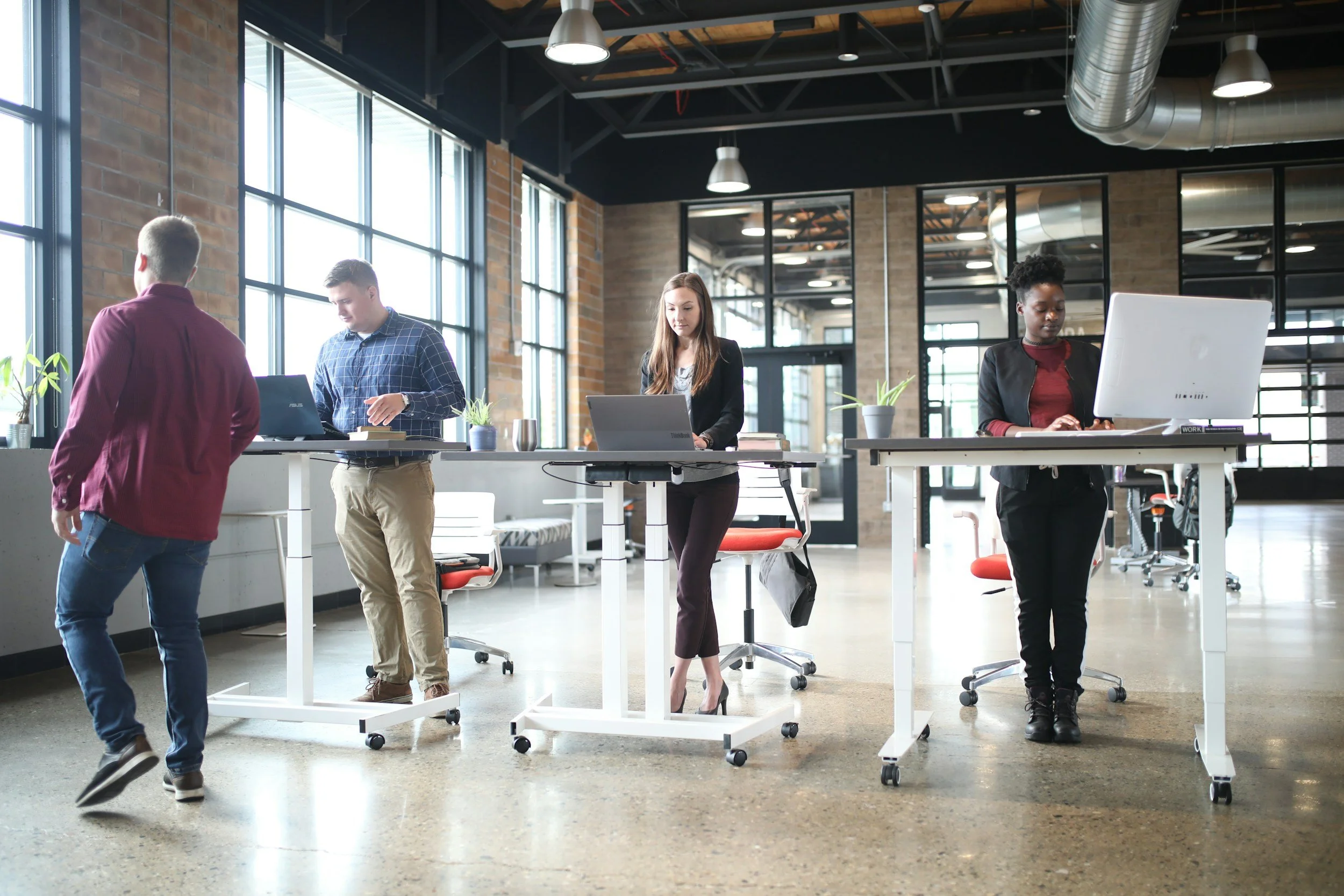
Standing, walking, and changing positions throughout the day can help reduce compression and tension through the hips and gluteal region.
The body usually does not need a dramatic routine to begin reducing sitting-related hip tension. It often needs more frequent movement and fewer long stretches in one position.
Standing up for a minute or two, taking short walks, changing seated positions, and avoiding hours of uninterrupted sitting can help reduce compression through the deep glute area. Gentle hip mobility work can also be helpful, especially when it is done consistently rather than only when the pain becomes intense.
For desk workers, the goal is not perfection. It is interruption.
The longer the hips stay in one position, the more the body adapts to that position. Small movement breaks remind the hips, glutes, and low back that they are allowed to move throughout the day instead of waiting until the end of the workday to loosen everything at once.
When Sitting Starts Affecting Your Hips and Glutes Every Day
Piriformis tightness and sciatic-type symptoms are common in people who spend long hours sitting, working at computers, or driving.
Over time, the discomfort may stop feeling like one isolated spot. Sitting becomes uncomfortable. The hips feel stiff when standing up. The glutes ache. The low back starts getting involved. The tension shifts from one area to another, and it becomes harder to tell where the problem actually started.
A lot of clients initially assume they only have “sciatica,” but the body is often compensating through the hips, pelvis, glutes, and low back at the same time.
Betsy Burkart, NCLMBT #7141, owner of Key of Life Wellness and Massage, specializes in helping clients identify and address the muscular compensation patterns that commonly develop from desk work, prolonged sitting, driving, and postural strain.
For clients dealing with ongoing hip tightness, glute discomfort, and sitting-related tension, sessions are structured to support both immediate relief and longer-term improvement in movement and mobility.
Learn more about available massage packages or book a new client appointment to get started.