Why Some Massage Actually Fixes Pain And Some Doesn’t
How Therapeutic Massage Is Practiced: A Clinical Approach to Pain Relief in Charlotte
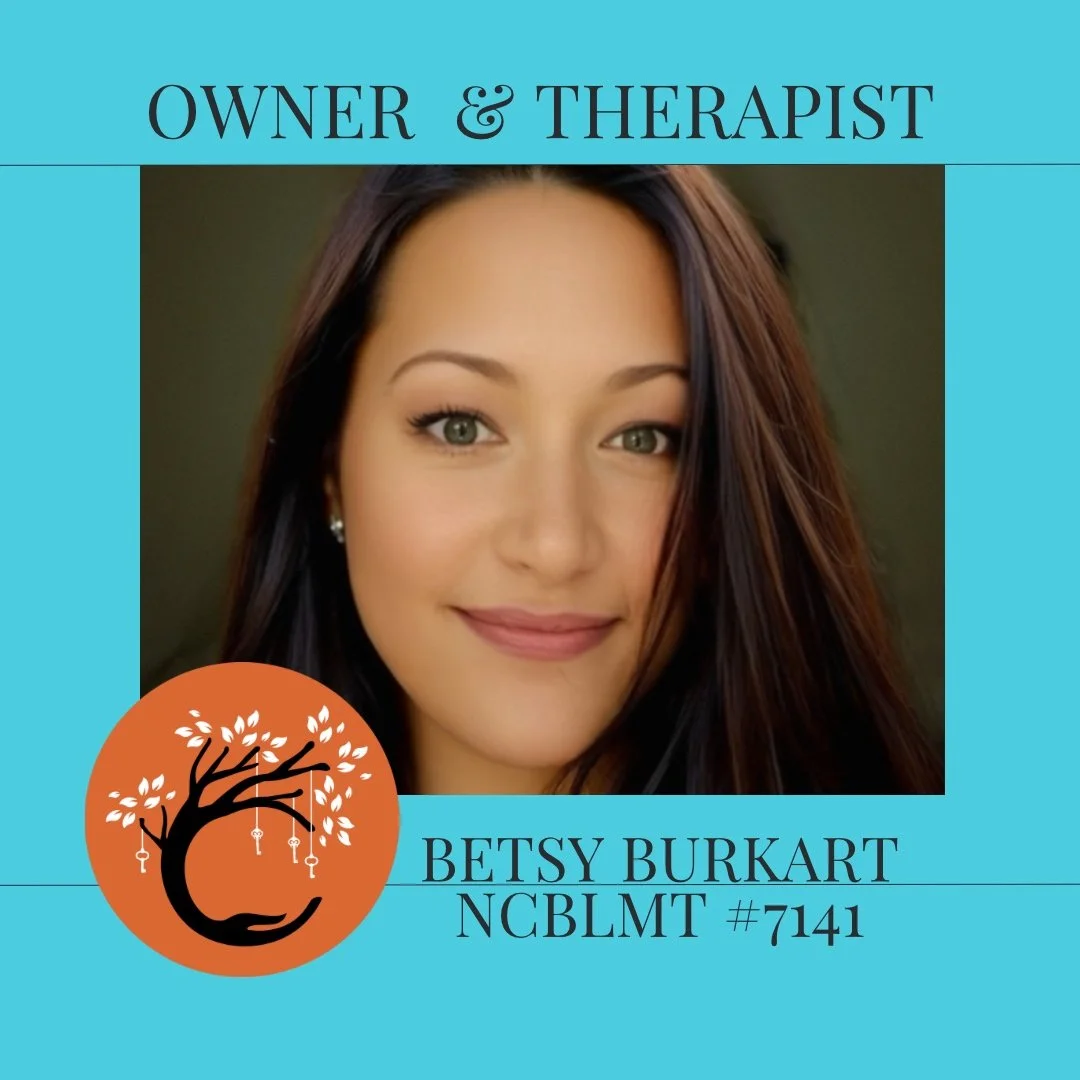
Betsy Burkart, LMBT #7141, has over 20 years of experience helping clients address chronic pain patterns through targeted therapeutic massage.
Many people think of massage as a relaxation service, but therapeutic bodywork can also be used as a clinical tool to address underlying muscular patterns that contribute to pain.
The difference often comes down to whether the treatment is focused on temporary relief or on addressing the underlying muscular patterns that contribute to ongoing pain.
My name is Betsy Burkart, a Licensed Massage and Bodywork Therapist (NC LMBT #7141) with over 20 years of experience. In my practice in Charlotte, I work with clients every day to identify and address the underlying muscular patterns that contribute to ongoing pain.
At Key of Life Wellness & Massage in Charlotte, sessions are structured around identifying and treating the muscular imbalances that develop from posture, desk work, repetitive activity, and chronic tension patterns. This type of therapeutic massage approach often incorporates techniques used in neuromuscular therapy and deep tissue massage to address the underlying causes of pain rather than just the symptoms.
How My Massage Intakes Begin
Pain between the shoulder blades has become one of the most common complaints I see in my treatment room. Most people walk in pointing to the spot between their shoulder blades and saying something like:
“The pain is right here.”
And while that’s where the pain is showing up, it’s often not where the problem actually starts. In many cases, the real issue begins in the front of the body, especially the chest muscles. Understanding that pattern is the key to finally getting lasting relief.
The Desk-Worker Posture Pattern
Modern work habits have created very predictable postural patterns that commonly lead to chronic shoulder, neck, and upper back tension.

Prolonged desk work can lead to forward shoulder posture, contributing to tension and pain between the shoulder blades.
Over time:
• The pec muscles in the chest shorten and tighten
• The shoulders begin to roll forward
• The upper back muscles, especially the rhomboids, become overstretched
Those back muscles then work overtime trying to stabilize the shoulder blades
Eventually they become irritated, inflamed, and painful.
That’s why so many people feel pain directly between the shoulder blades, even though the underlying imbalance began somewhere else.
Why Rhomboid Pain Happens
The rhomboids are responsible for helping pull the shoulder blades back and stabilizing the upper back. When the chest muscles shorten and pull the shoulders forward, the rhomboids are forced to stay in a constantly stretched position. I often explain it to clients like a piece of taffy. If you pull taffy long enough, it becomes thin, strained, and brittle. The rhomboids respond in a similar way when they’re constantly being pulled forward by tight chest muscles. Eventually they begin sending pain signals, even though they’re not actually the root of the problem.
Why Many Treatments Focus on the Wrong Area
When people feel pain between their shoulder blades, it seems logical to treat that exact spot.
Many approaches focus primarily on:

Focusing only on the area where pain is felt can provide temporary relief, but often doesn’t address the underlying cause of upper back tension.
• working the upper back
• stretching the rhomboids
• foam rolling the painful area
These methods can provide temporary relief.
But if the tight tissue in the front of the body isn’t addressed, the shoulders will continue to roll forward and the cycle often repeats. That’s why some people feel like their upper back pain keeps returning no matter how often they get treatment.
A Different Treatment Approach
In many cases, lasting improvement requires addressing the entire shoulder pattern, not just the painful spot. In some cases, deeper pressure techniques used in deep tissue massage may also be incorporated to address areas of dense tension within the affected muscles.
For desk-worker shoulder pain, treatment often focuses on:
1. Releasing tight chest muscles
2. Allowing the shoulders to return to a more natural position
3. Reducing strain on the overstretched upper-back muscles
4. Restoring balanced movement in the shoulder blades
Once the front of the body begins to release, the back muscles are often able to relax and stabilize more naturally. This is why some people notice changes in their shoulder position relatively quickly once the correct areas are addressed using neuromuscular techniques.
What Clients Often Notice During Treatment
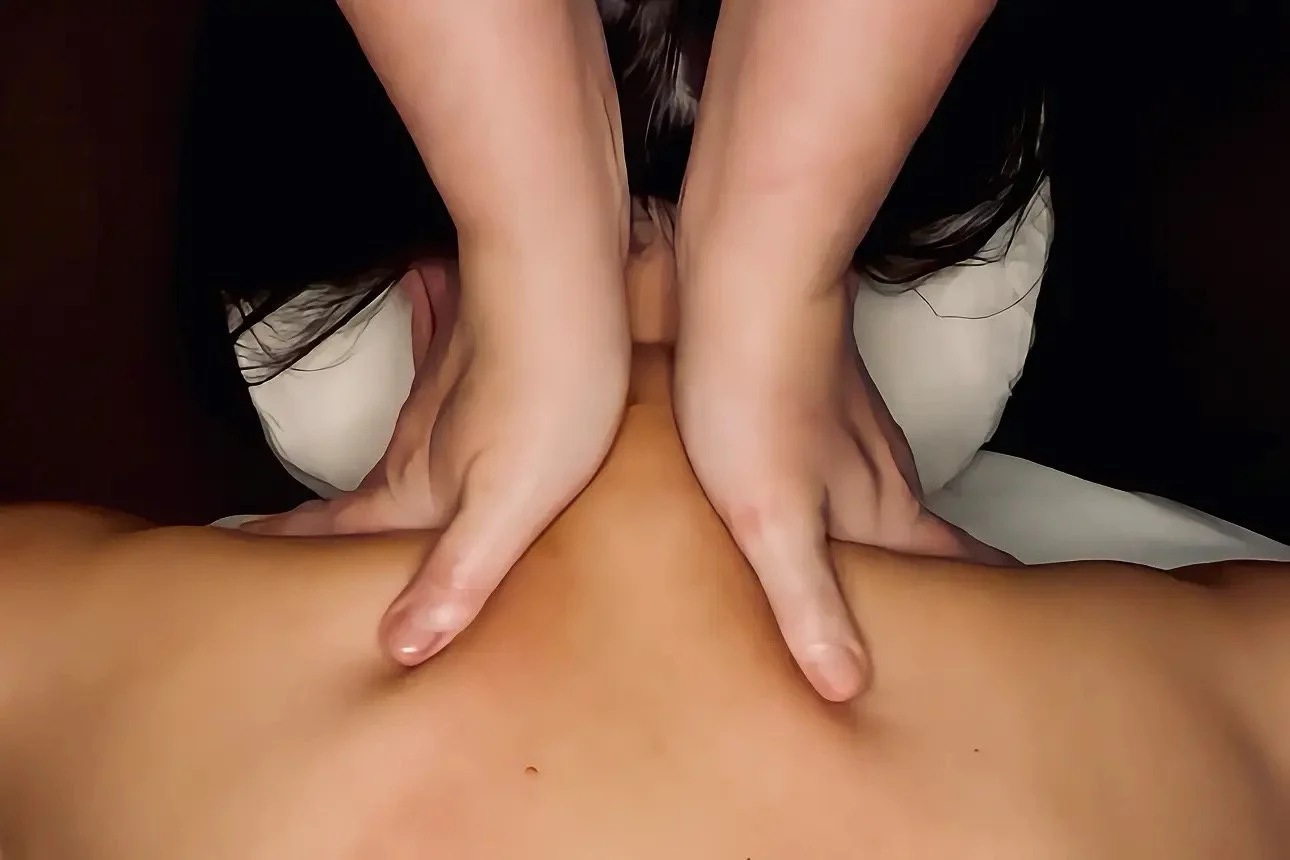
Targeted work through the upper back can help reduce tension in the rhomboids and improve how the shoulder blades move and feel during daily activity.
During sessions focused on this pattern, clients frequently notice changes in how their shoulders feel.
Common comments include:
• “My shoulders feel more relaxed.”
• “It feels like my shoulder is dropping toward the table.”
• “One side feels looser than the other.”
Sometimes this temporary imbalance occurs because one side of the chest has released while the other side is still tight. As treatment progresses and both sides are addressed, the shoulders begin to feel more balanced again. These early changes often signal that the underlying pattern is starting to shift.
How Long Does It Typically Take to Improve?
Every person is different, but many desk-worker shoulder pain patterns respond well within a small series of treatments.
Often:
• The first session introduces the change
• The second session reinforces the new pattern
• The third session helps stabilize the correction
For many people, noticeable improvement happens within about three sessions, though some may require more depending on how long the pattern has existed.
If you’re new to therapeutic massage, your first session is designed to identify the underlying pattern and begin creating change. You can learn more about the new client process here.
Who This Approach Helps Most

Long hours at a desk can contribute to postural imbalances that lead to chronic neck, shoulder, and upper back tension.
This type of treatment is especially helpful for people who:
work at computers for long hours
sit most of the day
feel chronic tension between their shoulder blades
experience neck and upper-back tightness
have tried stretching or foam rolling without lasting relief
perform repetitive tasks throughout the day (typing, lifting, or manual work)
spend long hours driving or commuting
work in physically demanding jobs that involve standing, bending, or reaching
experience tension related to stress or high mental workloadnotice postural changes over time from daily habits or work environments
These types of muscular patterns are extremely common in modern work environments. And while this pattern is often associated with desk work, similar imbalances can develop in many different professions and daily routines where the body is placed under repeated stress.
Long-Term Relief and Maintenance
Once the shoulder pattern improves, people often have several options for maintaining relief.
Some choose to:
• schedule occasional maintenance sessions
• strengthen their upper-back muscles
• improve workstation ergonomics
• incorporate simple stretching routines
Others simply return for treatment when symptoms begin to reappear or to address stress with relaxation massage sessions. The goal is not necessarily constant treatment, but helping the body regain balance so pain becomes much less frequent.
Understanding the Bigger Picture
Pain between the shoulder blades is often a signal that the body has adapted to long hours of forward-focused posture. In my practice, I see this pattern almost daily. By addressing both the front and back of the shoulder system, it becomes much easier to restore comfort and natural movement. Once that balance begins to return, many people are surprised by how quickly their shoulders can start to feel different.
Why My Approach to Massage Is About Giving Clients Options, Not Orders
Massage Therapy Isn’t About “Fixing” Someone. One of the most common things people say when they come into my office is something like, “I hope you can fix this.” I understand why people say that. When you’ve been dealing with pain for a long time, it’s natural to hope that someone else can solve the problem quickly. But the reality is that no therapist can truly “fix” another person’s body.
What I can do is help people understand what may be contributing to their discomfort and work with the muscles that are currently under strain. From there, my role is to give clients information and options that may help them manage those patterns over time. In other words, my job isn’t to control what someone does with their body. My job is to support them while they figure out what works best for their life.
Why I Give Clients Permission to Be Human

Daily responsibilities, stress, and busy schedules can contribute to physical tension patterns that build up over time.
Another thing I notice often is that people come in apologizing. They apologize for being a few minutes late, for feeling stressed, for not stretching enough, or for not following through on something another provider suggested. One of the first things I usually tell people is that they’re allowed to be human.
Life gets busy. People have demanding jobs, families, responsibilities, and long days at work. Expecting someone to suddenly overhaul their entire routine because of muscle tension usually isn’t realistic.
Instead of adding pressure, I try to remove it. If someone arrives a few minutes late, that’s okay. I intentionally schedule time between sessions so there’s room for conversation and for people to settle in before treatment begins.
Sometimes those first few minutes of simply talking about the day are exactly what allows the nervous system to calm down enough for the body to relax.
My “Toolbox” Approach to Managing Muscle Pain
When clients are dealing with chronic tension, I often describe what I call a “toolbox” of options. There isn’t one single solution that works for everyone. Instead, there are many different tools people can experiment with depending on what feels helpful for them.
Some of the things people sometimes use include:
• menthol or topical muscle products
• CBD or arnica creams
• heat therapy or heating pads
• Epsom salt baths or magnesium soaks
• stretching or foam rolling
• strengthening exercises

Managing muscle pain often involves a combination of tools and approaches, rather than relying on a single solution.
• massage guns or other recovery tools
For some people, working with other professionals can also be helpful. Physical therapists, chiropractors, acupuncturists, and other providers all offer different approaches to managing muscular discomfort.
I always try to stay within my scope of practice, but I believe it’s helpful for people to know that these options exist. Many clients simply aren’t aware of how many different resources are available for managing pain.
Why You Don’t Have to Do Everything at Once
When I explain these options to clients, I also make something very clear. You don’t have to go home and try everything immediately. In fact, I usually tell people they don’t need to do any of it right away if it feels overwhelming. Sometimes the first step is simply becoming aware that the options exist.
Over time, those ideas tend to settle into the back of the mind. Then, when someone has a flare-up or a stressful week, they may remember one of those tools and decide to try it. That gradual process often works much better than trying to change everything at once.
A Collaborative Approach to Therapeutic Massage
Massage therapy works best when it’s part of a collaborative process. During treatment, I focus on addressing the muscular tension that’s currently present in the body. At the same time, I try to give clients information that helps them understand why those patterns may be happening. From there, each person decides how they want to approach their own care.
Some people choose to make ergonomic adjustments at work. Others focus on strengthening or stretching routines. Some simply return for occasional treatment when their body needs support. There’s no single “correct” path.
The goal is simply to help people feel less overwhelmed, more informed, and more confident in the choices they make for their own bodies.
Finding the Right Approach for Your Body
Every person’s body responds differently to stress, posture, and daily activities. What works well for one person may not be the right solution for someone else.

As underlying muscle patterns begin to improve, many people notice less tension in the upper back and a more natural, relaxed shoulder position.
The goal of therapeutic massage isn’t to force the body into a rigid routine, but to help people better understand the patterns that may be contributing to discomfort. From there, each person can decide which tools feel useful and which ones simply don’t fit their lifestyle right now.
If deeper, more focused work is one of the options you are considering, learning what to look for in a deep tissue massage therapist can help you choose someone whose approach matches your goals.
For many people, regular therapeutic massage becomes one of the easiest ways to manage the tension that builds up from everyday life.
This is why many people seeking therapeutic massage in Charlotte for chronic pain begin to notice more lasting changes when treatment focuses on the full muscular pattern rather than a single area of discomfort.
If you’re dealing with ongoing tension or pain that hasn’t fully resolved, therapeutic massage can be used to identify and address the underlying patterns contributing to it.
You can learn more about how sessions are structured or book a new client appointment here.