Why It’s Hard to Stand Up After Sitting All Day: Hip Flexor Tightness, Low Back Tension, and Desk Work Pain
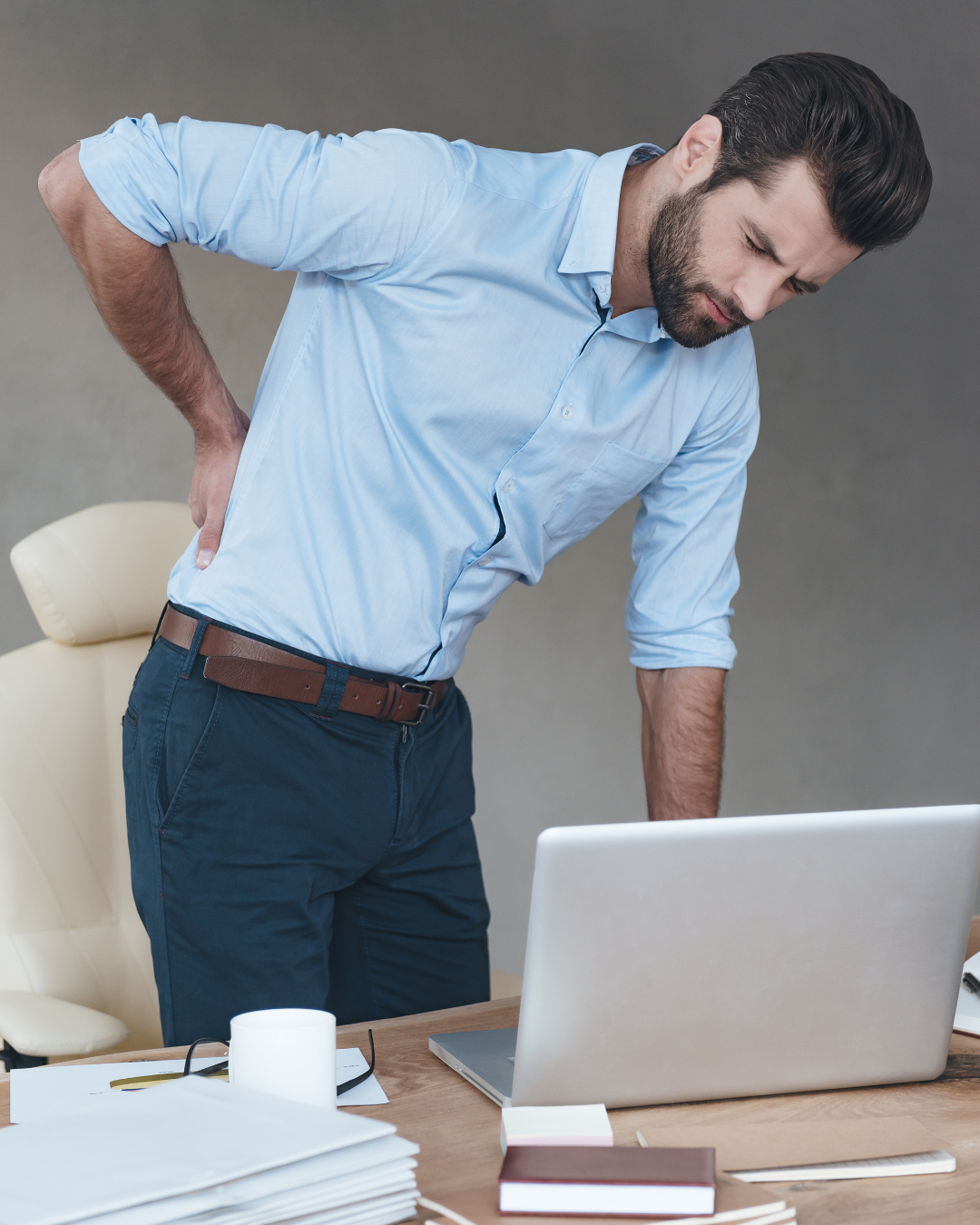
Prolonged sitting and desk work can contribute to hip flexor tightness, low back tension, and postural strain over time.
One thing many desk workers eventually notice is that getting up after sitting all day stops feeling effortless.
At first, it may just feel like stiffness when getting out of a chair. Then gradually, people start realizing they need a few extra seconds before their body fully straightens up. The hips feel tight. The low back starts gripping. Walking after sitting for a long time starts feeling awkward instead of automatic.
A lot of people describe it as feeling “compressed” or like their hips suddenly aged ten years during the workday.
This pattern is extremely common in people who spend long hours working at computers, driving between appointments, commuting through Charlotte traffic, or spending half the evening trying to survive I-277’s notorious Exit 3A.
In many cases, the muscles most involved are the hip flexors, especially psoas major and iliacus, which are commonly referred to together as the iliopsoas. These muscles sit deep in the front of the hips and help stabilize the pelvis while assisting movement through the legs, hips, and lower back. When the body stays seated for hours at a time, those muscles remain shortened for most of the day. Eventually, the body adapts to that position.
Why Sitting All Day Makes Your Hips Feel Tight When You Stand Up
Most people think sitting is rest, but the body is still actively maintaining posture while seated.
The hips remain bent. The pelvis stays relatively locked in place. The surrounding muscles begin adjusting to reduced movement over and over again throughout the day.
This is one reason many desk workers eventually start noticing:
pulling through the front of the hips or quads
stiffness standing upright
low back tension after driving
discomfort walking after long periods of sitting
A lot of people initially think they simply need to stretch more, but what I commonly see in session is that the body has often adapted to very repetitive movement patterns for months or years at a time.
The body gets extremely good at sitting. Unfortunately, it also starts getting worse at transitioning back out of sitting.
How Hip Flexor Tightness Can Create Low Back Tension
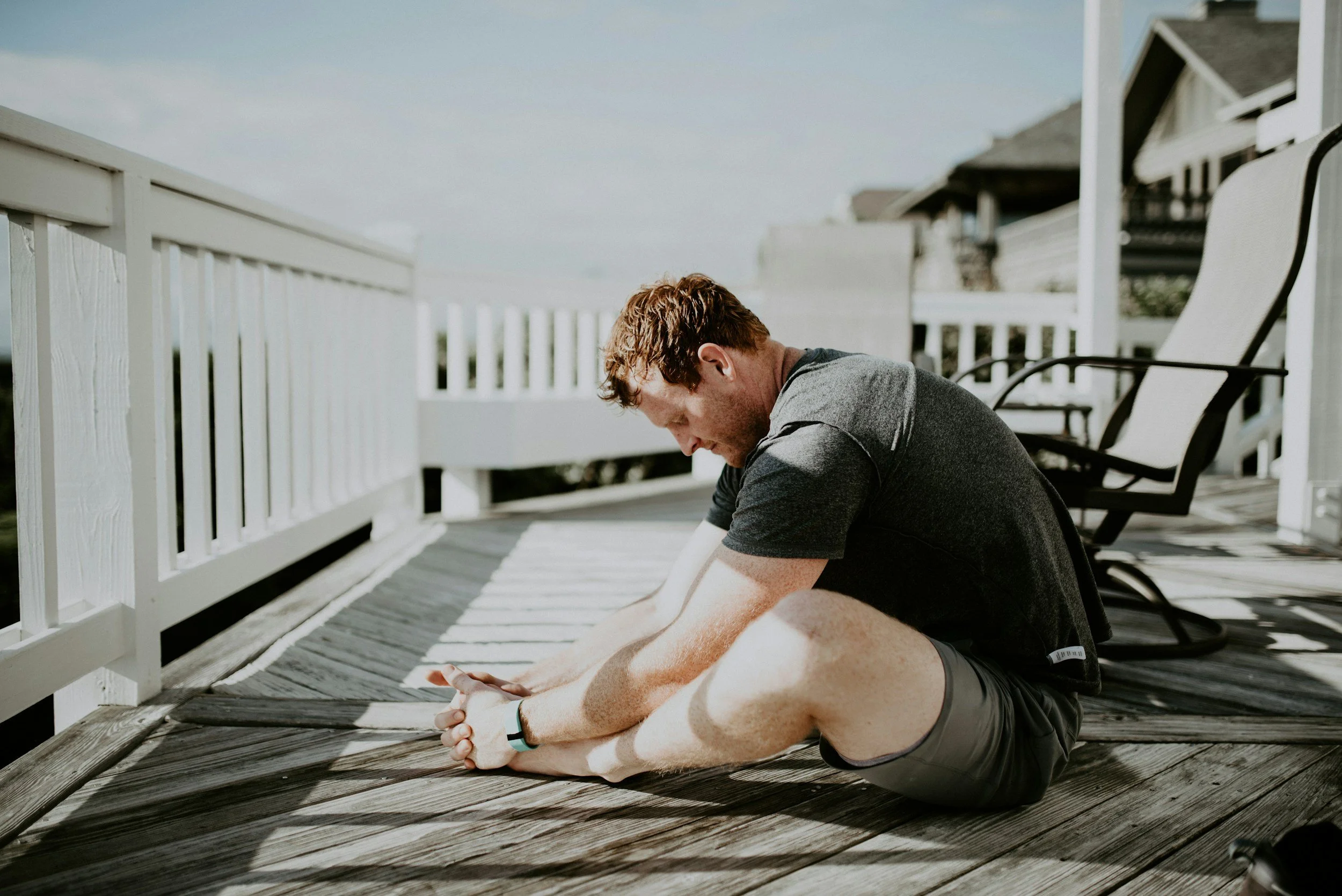
Tight hip flexors and reduced movement through the pelvis can eventually contribute to low back compensation patterns.
One reason this pattern becomes frustrating is because the discomfort is not always felt directly in the hips themselves.
A lot of people repeatedly stretch their low back without much lasting relief because the low back is compensating for tension developing around the pelvis and hips. When the hip flexors stay excessively tight, they can begin pulling the pelvis forward and changing how the surrounding muscles stabilize the body.
Over time, the body starts recruiting other muscle groups to help manage the restriction. The glutes may stop activating efficiently. The lumbar muscles may start gripping for stability. The piriformis and surrounding hips may begin tightening to compensate for reduced movement through the pelvis.
What makes this difficult is that many people only notice the symptom that hurts the most. They think they have a “low back problem,” when often the hips, pelvis, glutes, abdominal muscles, and lumbar stabilizers are all reacting to the same sitting pattern together. That is why the discomfort often spreads instead of staying isolated to one small area.
When hip flexor tension is paired with weakness, poor control, or guarded movement, physical therapy and massage therapy paired together may help address different sides of the same problem. Massage therapy may focus on the soft tissue restrictions around the hips, pelvis, glutes, and low back, while physical therapy may help strengthen areas that have become underused or less coordinated over time.
Why the First Few Steps Feel Stiff After Sitting Too Long
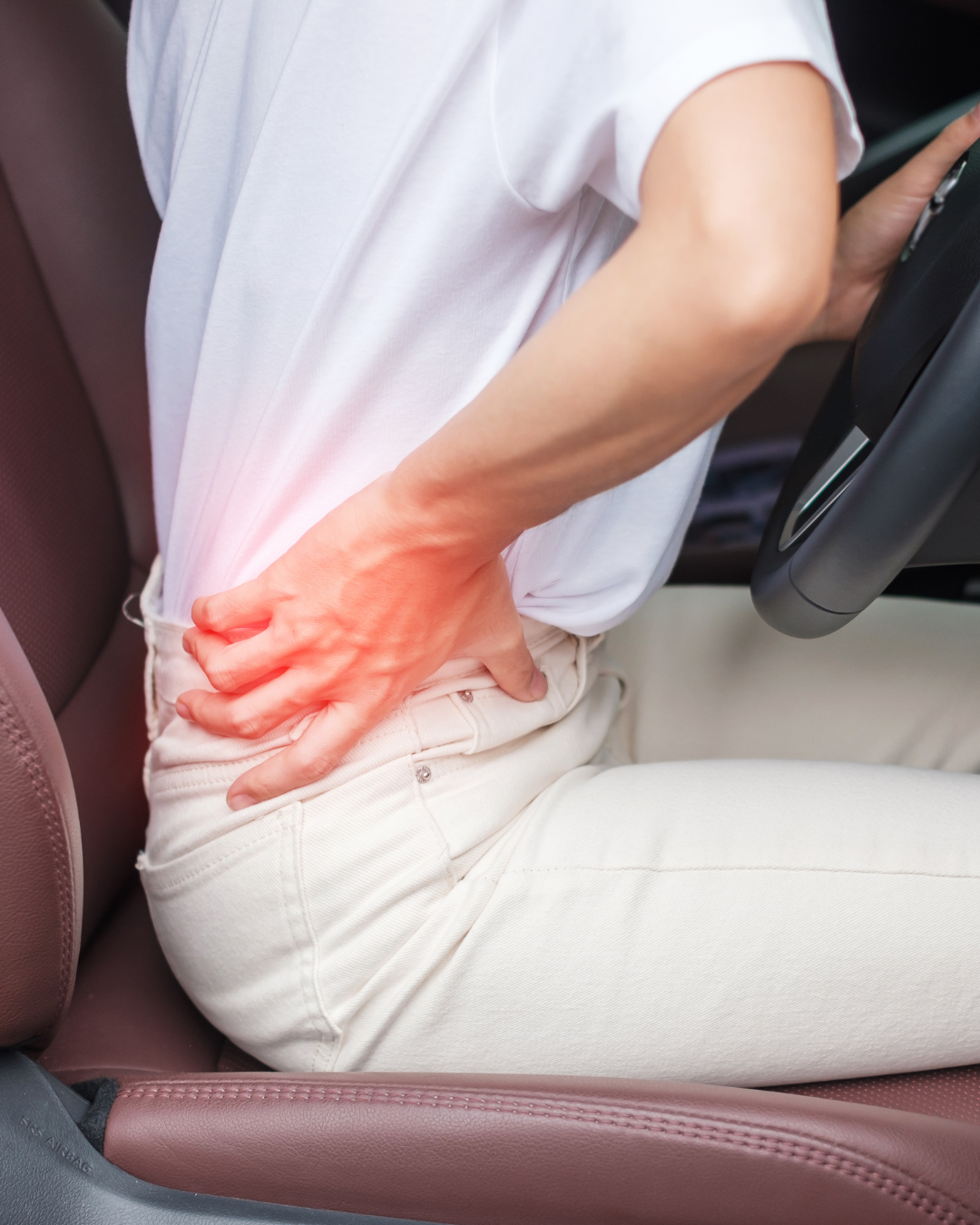
Many people notice hip stiffness, pulling, and low back tension most after long drives or extended sitting.
One thing I hear constantly from desk workers is that the first few steps after standing up feel strange. Not necessarily sharp pain. Not necessarily injury. Just stiffness, pulling, tightness, or a feeling like the hips do not want to fully move yet.
For some people, it shows up most after long drives. For others, it happens after sitting through meetings all day or working from home without moving much for hours at a time.
A lot of people also notice:
shorter stride length
stiffness walking through parking lots
tension climbing stairs
tightness through the front of the thighs
discomfort after getting out of the car
Many people assume this is simply aging, but often the body has just adapted to spending a huge percentage of the day in the same position repeatedly. The body adapts very efficiently to whatever positions it spends the most time in.
How Neuromuscular Therapy Approaches Hip Flexor Compensation Patterns
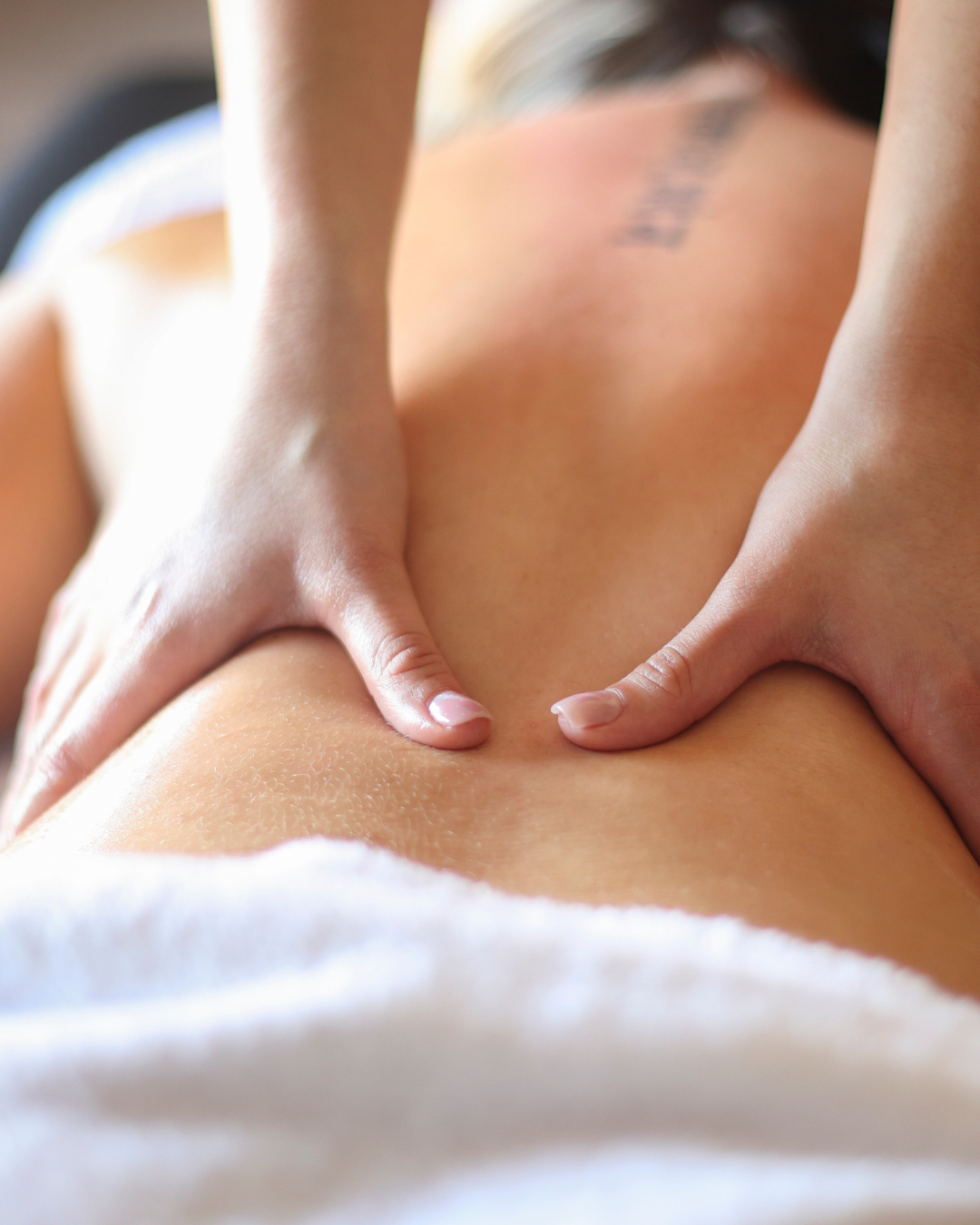
Neuromuscular therapy often focuses on how surrounding muscles compensate for prolonged sitting and postural strain.
Massage therapy can be very effective in helping address the muscular compensation patterns that develop from prolonged sitting and desk work.
What I usually look at is not just where the discomfort is felt, but how the surrounding muscles are interacting together.
While deep tissue massage often helps, I find that some people need more specific work focused on the areas actually driving the repetitive compensation patterns in the first place. In neuromuscular therapy sessions, I commonly assess how the hip flexors relate to:
glute activation
pelvic stabilization
lumbar tension
abdominal compensation
surrounding postural muscles
Depending on the person, treatment may involve improving movement through the hips and pelvis while also reducing the surrounding muscular guarding that develops from prolonged sitting patterns.
A lot of people are surprised that once movement starts improving through the hips again, the low back often stops feeling like it has to work so hard all the time.
What I commonly see after several sessions is that clients often become less dependent on constantly chasing temporary relief every month. Instead of feeling like they are repeatedly managing the same pain cycle, many people begin noticing more lasting improvements in mobility, tension levels, and overall daily comfort.
Eventually, regular sessions often shift away from purely pain-management focused work and become more centered around relaxation, stress relief, and general wellness instead of constantly trying to recover from long workdays and the dreaded drive home from Uptown into LoSo or NoDa.
Small Movement Changes That Help Hip Tightness From Sitting
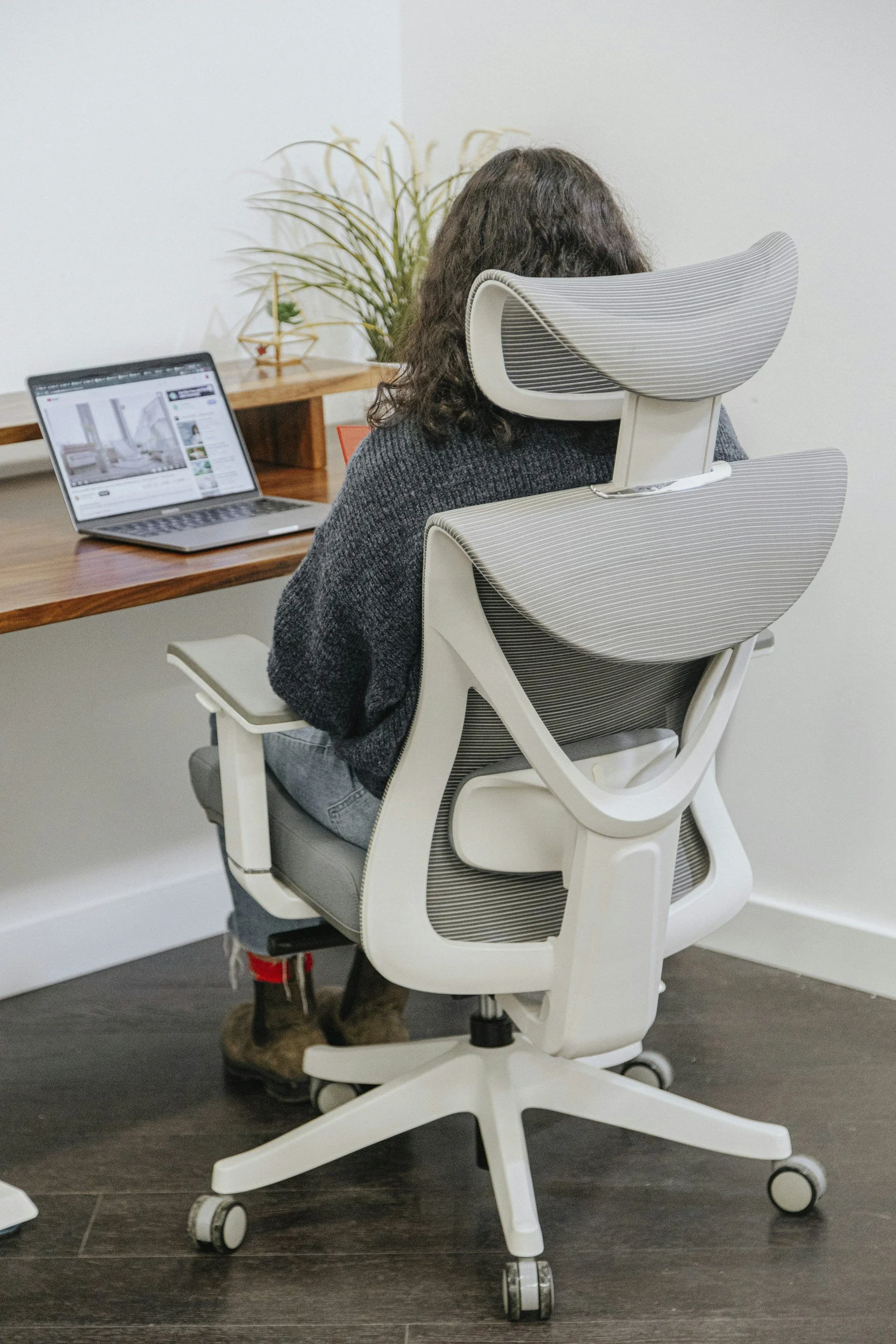
Small movement changes and improved desk ergonomics can help reduce stiffness caused by prolonged sitting.
Most people are not going to completely change their posture overnight. What tends to help more is reducing how long the body stays locked into the exact same position throughout the day.
Sometimes improvement starts with relatively small changes:
standing more frequently during work
walking during breaks
reducing uninterrupted sitting time
improving desk ergonomics
The body generally responds better to movement variability than prolonged compression. Even small amounts of movement throughout the day can sometimes make a noticeable difference in how stiff the hips and low back feel later in the evening.
When Hip Flexor Tightness Starts Affecting Everyday Movement
Hip flexor tightness and sitting-related low back tension are extremely common in people who spend long hours working at computers or driving throughout the day.
Over time, people often start noticing the problem spreading into multiple areas at once. The hips feel stiff getting out of the car. The low back tightens during the workday. Walking starts feeling more restricted than it used to. The body starts feeling less fluid overall.
Many people initially think they only have a “tight low back,” but in reality the body is often compensating around the hips and pelvis at the same time.
Nearby muscles like the glutes, piriformis, abdominal muscles, and lumbar stabilizers can all begin reacting to the same prolonged sitting pattern together.
Betsy Burkart, NC LMBT #7141, owner of Key of Life Wellness and Massage, specializes in helping clients identify and address muscular compensation patterns commonly associated with prolonged sitting, desk work, and postural strain.
For clients dealing with ongoing hip tightness, low back tension, and sitting-related discomfort, new client sessions are structured to support both immediate relief and longer-term improvements in movement and mobility.