How Do Topical Pain Relief Products Work? A Guide to Menthol, Voltaren, Lidocaine, Arnica, CBD, Magnesium, and More

Choosing the right topical pain relief product starts with understanding how different ingredients work.
If you've ever stood in the pain relief aisle at a pharmacy, you've probably noticed there are dozens of creams, gels, sprays, patches, and ointments claiming to help with pain, soreness, inflammation, recovery, and mobility.
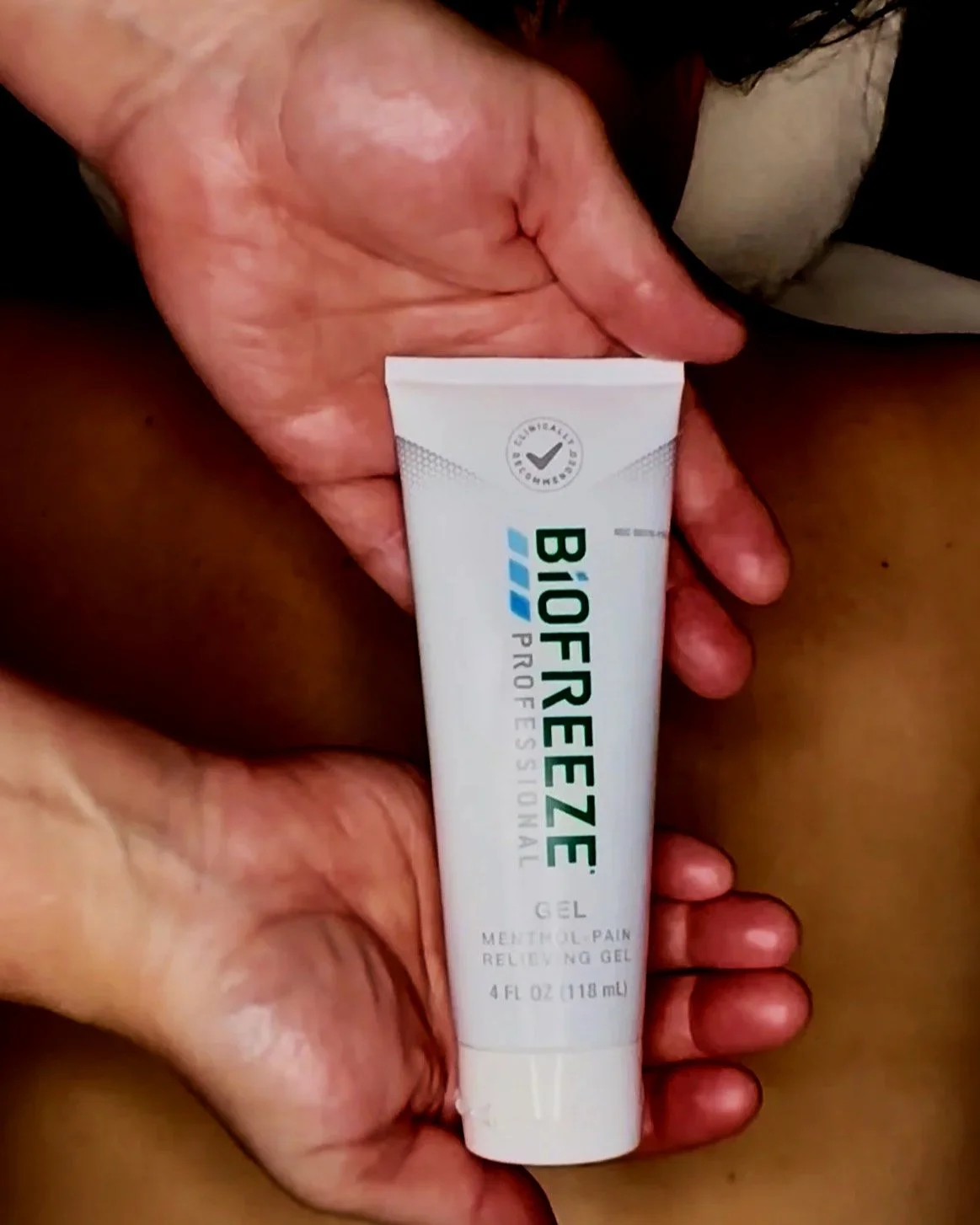
Menthol-based products are one of the topical therapies I most frequently discuss with clients as part of a broader recovery toolkit.
Some products feel cold. Some feel hot. Some are designed to reduce inflammation. Others work by affecting how nerves send pain signals to the brain. Some rely on botanical ingredients, while others contain medications that have been extensively studied.
As a massage therapist, topical products are one of the most common things clients ask me about. Questions like:
Does Biofreeze® actually work?
Is Voltaren® the same thing as Icy Hot®?
What's the difference between lidocaine and menthol?
Does CBD cream work?
Is arnica worth using?
What is magnesium oil supposed to do?
The answer depends entirely on the active ingredient.
This guide explains the most common types of topical pain relief products, how they work, and why different products may be used for different situations.
Common Types of Topical Pain Relief Products
When most people think about topical pain relief products, they picture a cream, gel, spray, or patch that helps reduce discomfort. However, not all topical products work the same way. Different ingredients interact with the body through different mechanisms, which is why one product may work better for a particular person or condition than another.
Below are some of the most common categories of topical products and the active ingredients that make them unique.
Menthol-Based Products
Topical pain relief products are designed for localized use and may come in gels, creams, sprays, roll-ons, or patches.
Menthol is one of the most common ingredients found in topical pain relief products. It creates a cooling sensation and is widely used for muscle soreness, exercise recovery, neck tension, and joint discomfort.
Common examples include Biofreeze®, Icy Hot®, and many sports recovery gels.
Lidocaine-Based Products
Lidocaine is a local anesthetic that works differently than menthol. Rather than creating a cooling sensation, lidocaine helps reduce the ability of nerves to transmit pain signals.
Common examples include Salonpas® Lidocaine patches and Aspercreme® Lidocaine products.
Diclofenac Products
Diclofenac is a topical nonsteroidal anti-inflammatory drug (NSAID) used to help reduce inflammation and discomfort in joints and surrounding tissues.
The most recognized example is Voltaren® Arthritis Pain Gel.
Capsaicin Products
Capsaicin is derived from chili peppers and creates a warming sensation when applied to the skin. It works through a different pathway than menthol and is often used for long-term pain management strategies.
Common examples include Capzasin® and Zostrix® products.
Salicylate Products
Salicylates are compounds related to aspirin and are commonly found in muscle rubs and pain-relief creams. One of the most common salicylates used in topical products is methyl salicylate.
Common examples include Bengay®, Aspercreme®, and certain Icy Hot® formulations.
CBD Products
CBD, or cannabidiol, has become increasingly popular in topical recovery products. These products are often marketed toward athletes, active individuals, and people looking for additional recovery tools.
Common examples include CBD Clinic® and other CBD-infused creams, gels, and roll-ons.
Magnesium Products
Most topical magnesium products contain magnesium chloride and are commonly sold as sprays, oils, lotions, and recovery creams. These products are often used as part of broader recovery and wellness routines.
Common examples include magnesium oils, sprays, lotions, and muscle recovery creams.
Arnica Products

Arnica has been used in topical products for generations and remains a popular botanical ingredient for bruising and soreness.
Arnica is a botanical ingredient that has been used for generations in topical products marketed for bruising, soreness, swelling, and recovery support.
Common examples include arnica gel, creams, and post-procedure recovery products.
Why Understanding Topical Products Matters
One of the concepts I discuss with many of my clients is building a personal recovery tool box. Just as you might keep basic first aid supplies in your home, it can be helpful to have tools available when pain, soreness, stiffness, or inflammation begin to interfere with daily activities. For some people, that tool box might include stretching. For others, it may include self-massage tools, ergonomic equipment, mobility exercises, topical products, or other recovery strategies. If you'd like to learn more about how I approach recovery and self-care between sessions, be sure to read my article on building a personal wellness toolbox. Topical products are often one piece of that larger puzzle.
How the Nervous System Interprets Pain
Before discussing specific ingredients, it helps to understand that pain is not simply something that happens in muscles or joints. Pain is ultimately an experience created by the nervous system.
Specialized receptors in the skin and tissues detect pressure, temperature, irritation, and potentially harmful stimuli. These signals travel through nerves to the brain, where they are interpreted. Because the brain is responsible for interpreting these signals, changing sensory input can sometimes change how discomfort is perceived. This is one reason why products that feel completely different can still be used for similar symptoms.
Why Can Cold Sometimes Feel Hot?

The nervous system interprets hot and cold sensations differently, which helps explain why topical products can feel unique from person to person.
One of the most interesting things about the nervous system is that temperature and pain are closely connected. Have you ever used a menthol product that felt icy cold while someone else described the exact same product as burning or spicy?
This happens because sensory information is interpreted differently by different people. Extreme cold can sometimes create sensations that people describe as burning. Likewise, certain warming products can initially create sensations that some people interpret as cooling.
The nervous system doesn't always separate these experiences as clearly as we might expect. This overlap helps explain why topical products often produce very different experiences from person to person.
How Does Menthol Work?
Menthol creates a cooling sensation and is one of the most common ingredients found in topical pain relief products.
What Is Menthol?
Menthol is a naturally occurring compound found in mint plants and is one of the most common ingredients used in topical pain relief products.
Products That Commonly Contain Menthol
Icy Hot®
CBD Clinic® products
Many sports recovery gels and sprays
How Menthol Works
Menthol activates cold-sensitive receptors in the skin, creating the sensation of cooling.
Research suggests that menthol's effects extend beyond simply tricking the brain into feeling cold. Studies have demonstrated changes in skin temperature, circulation, and pain perception that help explain why menthol products remain popular among athletes, healthcare professionals, and active individuals.
In my own practice, one of the biggest challenges clients face is time.
Many people simply do not have the ability to sit down multiple times per day with an ice pack. Between work, family responsibilities, commuting, and everyday life, the ideal recovery strategy is not always realistic.
That is one reason I often discuss menthol products with clients.
While a menthol product may not be identical to an ice pack, it is portable, convenient, and can be applied while continuing daily activities. Sometimes doing something helpful is better than doing nothing at all.
Several studies have explored similarities between menthol products and cryotherapy, and this remains an area of ongoing research.
How Menthol Compares to Ice
Ice cools tissue through direct contact. Menthol creates cooling sensations through a different mechanism while also cooling the skin through evaporation. Although the mechanisms differ, both are commonly used to help manage soreness, discomfort, and recovery.
How Does Lidocaine Work?
What Is Lidocaine?
Lidocaine is a local anesthetic commonly used in medical and over-the-counter products.
Products That Commonly Contain Lidocaine
Salonpas® Lidocaine
Aspercreme® Lidocaine
Various lidocaine patches and creams
How Lidocaine Works
Lidocaine helps reduce the ability of nerves to send pain signals. It works by affecting sodium channels within nerve cells, which play an important role in transmitting information throughout the nervous system. Unlike menthol, lidocaine usually creates little or no noticeable sensation on the skin.
When People Commonly Use Lidocaine Products
People often use lidocaine products for:
Localized discomfort
Sensitive areas
Minor injuries
Nerve-related pain
How Does Voltaren Work?
What Is Voltaren?
Voltaren® contains diclofenac, a topical nonsteroidal anti-inflammatory drug (NSAID).
How Diclofenac Works
Diclofenac works differently than menthol or lidocaine.
Instead of primarily affecting sensation, diclofenac helps reduce inflammatory processes within tissues.
When People Commonly Use Voltaren
Over the years, I've had many clients tell me that their physicians recommended Voltaren for conditions involving joint pain and inflammation.
Common examples clients have discussed include:
Arthritis
Golfer's elbow
Joint stiffness
These are simply examples of situations clients have shared with me and should not be interpreted as treatment recommendations.
How Does Topical Aspirin Work? Understanding Salicylates
Some topical muscle rubs contain salicylates, compounds related to aspirin, to provide temporary relief from muscle and joint discomfort.
What Are Salicylates?
Salicylates are compounds related to aspirin. One of the most common topical salicylates is methyl salicylate.
Products That Commonly Contain Salicylates
Bengay®
Certain Aspercreme® products
How Salicylates Work
Salicylates are commonly combined with menthol and other ingredients to create the familiar warming and cooling sensations associated with many muscle rubs. These products are frequently used for temporary relief of everyday aches, muscle soreness, and joint discomfort.
How Does Capsaicin Work?

Capsaicin is derived from chili peppers and is commonly used in warming creams designed for long-term pain management.
What Is Capsaicin?
Capsaicin is the compound that gives chili peppers their heat.
Products That Commonly Contain Capsaicin
Zostrix®
Various warming creams and patches
How Capsaicin Works
Capsaicin interacts with receptors involved in sensing heat and pain. When first applied, it often creates a warming or burning sensation. With repeated use, these receptors may become less responsive, which can alter how pain is perceived.
When People Commonly Use Capsaicin Products
Capsaicin products are frequently used for:
Arthritis
Chronic joint discomfort
Nerve-related symptoms
Long-term pain management strategies
Does Magnesium Cream Work?
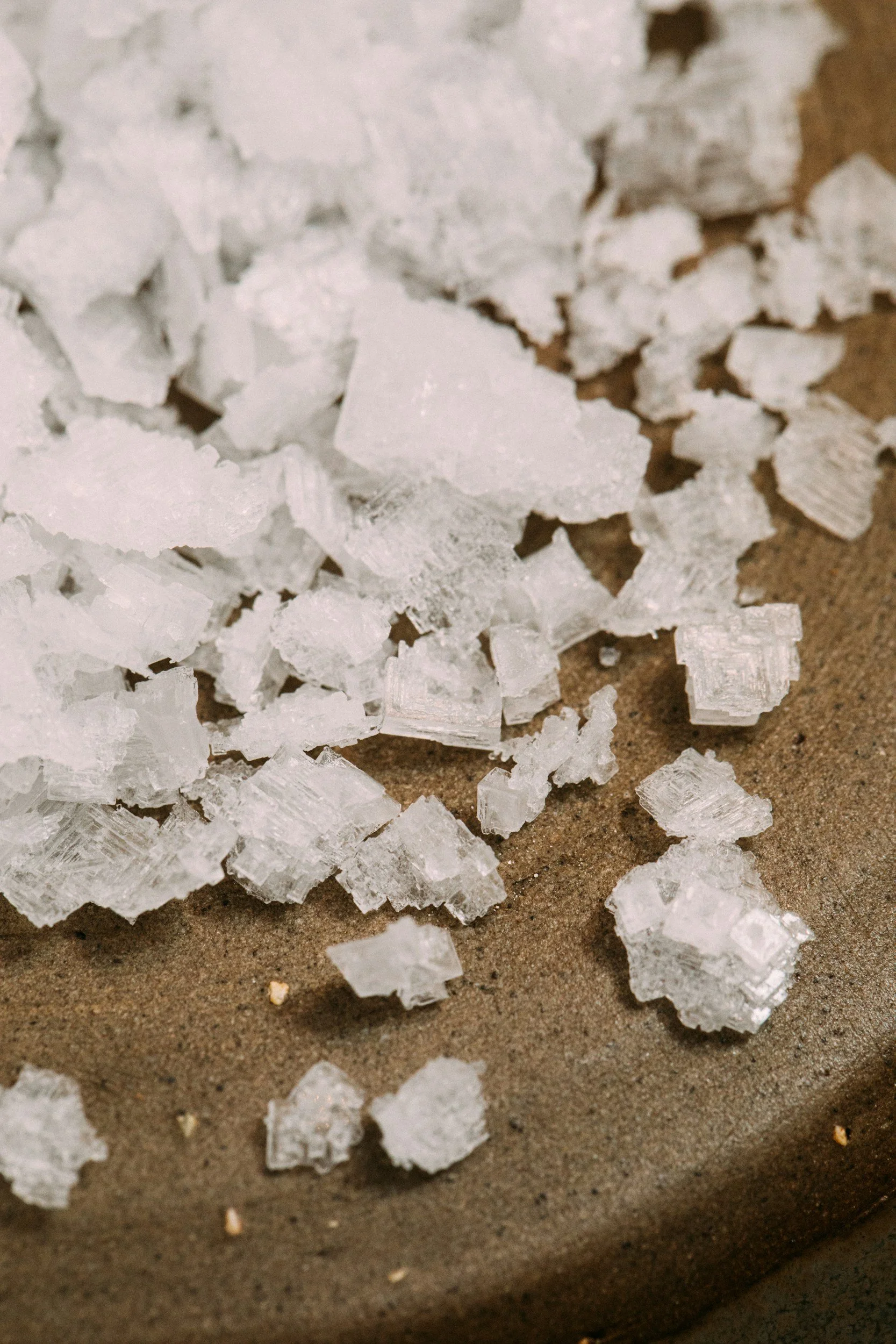
Topical magnesium products are commonly available as sprays, oils, lotions, and creams used for muscle recovery.
What Is Topical Magnesium?
Topical magnesium products commonly contain either magnesium chloride or magnesium sulfate (Epsom salt). Magnesium sulfate has traditionally been used in Epsom salt baths and soaking therapies, while many modern magnesium oils and sprays use magnesium chloride. Researchers continue to study how effectively magnesium is absorbed through the skin, and both forms remain popular among people looking to support recovery and muscle comfort.
Why People Use Magnesium Products
Magnesium plays an important role in muscle function, nerve signaling, and many biological processes throughout the body.
What Research Says
Researchers continue to investigate how effectively magnesium is absorbed through the skin. While the science is still evolving, many people use topical magnesium products as part of a broader recovery strategy that includes exercise, stretching, massage therapy, hydration, and sleep.
How Does CBD Cream Work?
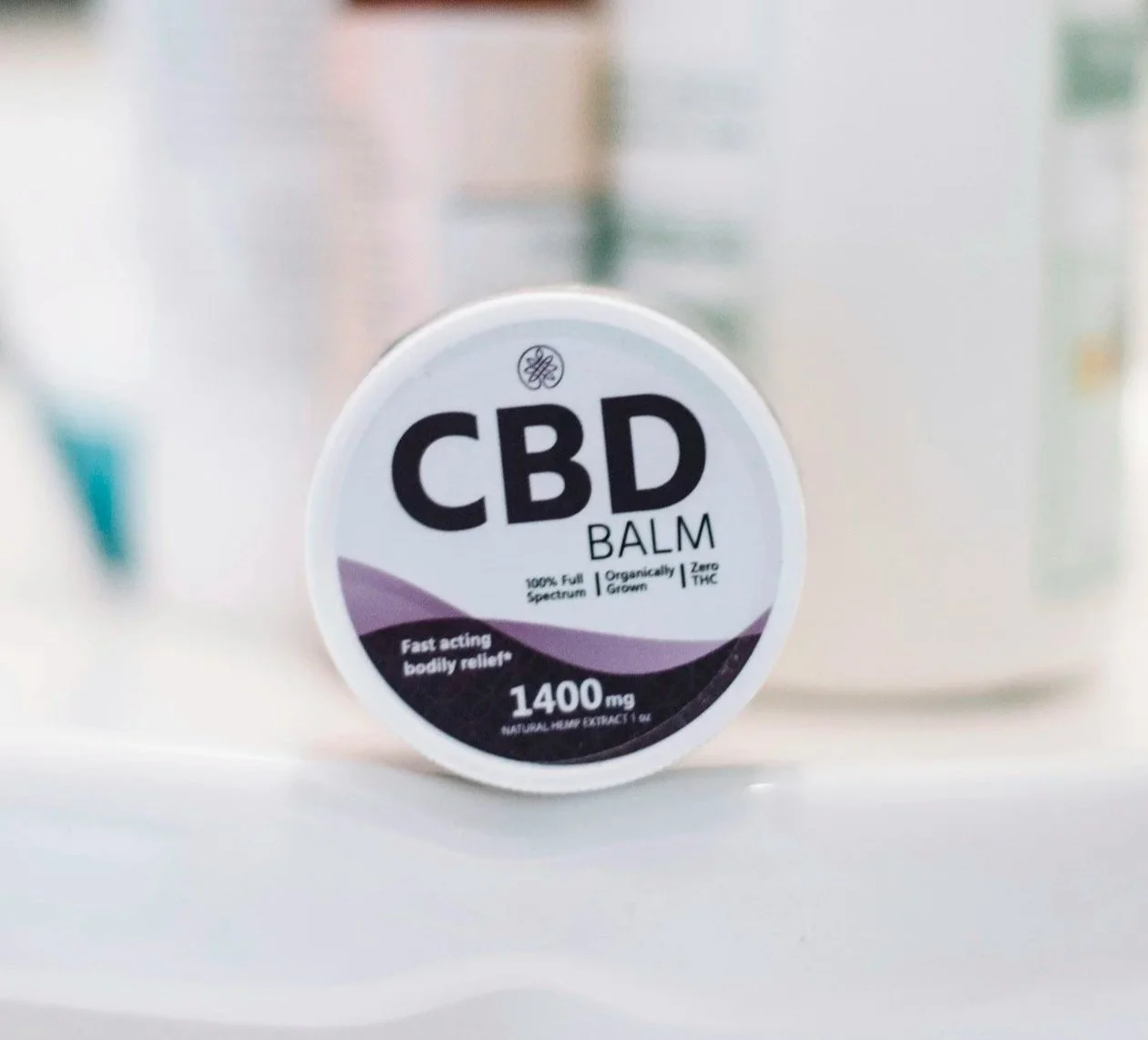
CBD topical products continue to grow in popularity as researchers study their potential role in pain relief and recovery.
What Is CBD?
CBD, or cannabidiol, is a compound derived from hemp.
Unlike THC, CBD does not produce intoxicating effects.
Products That Commonly Contain CBD
CBD recovery creams
CBD massage products
How CBD May Work
Researchers continue to study how CBD interacts with the body's endocannabinoid system and how it may influence pain perception, inflammation, and sensory signaling. In my experience using products that combine CBD and menthol, some clients report that the cooling sensation feels different than menthol products alone. Research is ongoing, but cannabinoids remain one of the most interesting areas of development in topical pain relief.
How Does Arnica Work?
What Is Arnica?
Arnica is a flowering plant that has been used in traditional herbal medicine for centuries. Today it is commonly found in gels, creams, and ointments marketed for bruising, soreness, swelling, and recovery.
Products That Commonly Contain Arnica
Arnicare® Gel
Recovery gels
Post-procedure topical products
When People Commonly Use Arnica
Throughout my career, I've had clients tell me their physicians recommended arnica products following cosmetic procedures and surgeries. One example that stands out involved a client whose surgeon recommended arnica as part of a post-procedure recovery plan after cosmetic surgery. Research continues to explore how arnica may influence bruising and recovery, but it remains one of the most commonly discussed botanical products I encounter in practice.
The Future of Topical Pain Relief
The world of topical products continues to evolve.
Researchers are actively studying:
Cannabinoids
Advanced delivery systems
Combination therapies
Targeted pain receptors
New anti-inflammatory compounds
As our understanding of pain science improves, future products may become increasingly personalized and targeted.
Safety Considerations for Topical Products

A physician or pharmacist can help identify possible side effects, medication interactions, and whether a topical product is appropriate for an individual condition.
Topical products may seem simple because many are available without a prescription, but they still contain active ingredients capable of producing meaningful effects.
Always follow manufacturer directions.
Avoid excessive use and discuss any concerns with a healthcare professional, especially if you have underlying medical conditions, take medications, or are uncertain whether a product is appropriate for you.
Final Thoughts
Topical pain relief products come in many forms, and no single ingredient is right for every situation.
Menthol, lidocaine, diclofenac, salicylates, capsaicin, magnesium, CBD, and arnica all work through different mechanisms and may serve different purposes.
Understanding these differences can help you make more informed decisions about the products you keep in your own recovery toolkit.
As a massage therapist performing therapeutic massage with clients dealing with acute injuries and managing chronic pain symptoms, I view these products as potential tools rather than miracle solutions. They may help support comfort, recovery, and mobility when used appropriately as part of a larger care plan. This may include chiropractic care, physical therapy, movement, exercise, massage therapy, ergonomics, stress management, and guidance from qualified healthcare providers to help improve quality of life while managing pain symptoms.
This article is intended for educational purposes only and should not be considered medical advice. Questions about specific products, medical conditions, medication interactions, or treatment decisions should always be directed to your physician, pharmacist, or other qualified healthcare provider.
If you're in the Charlotte, NC area and you're looking for a massage therapist who incorporates education, self-care strategies, and individualized treatment planning into every session, I'd love to help. You can learn more about my approach on my Home page or schedule your New Client Appointment online.