


Tips: What To Expect During Your Massage Appointment
New to massage? Learn what to expect at your first appointment–clothing, comfort, gratuity, and more, so you can feel relaxed and prepared.
Before Your Massage Session Visit

When you book a new client appointment at Key of Life Wellness and Massage, we’ll send a form to your email address asking you to provide some health information and provide consent for treatment during your session. This routine health and consent form is an important part of how our we design a plan to achieve your wellness goals.
If you forget or you’re unable to fill out the form online, we’ll provide paper copies.
The Day of Your Massage
It’s always a good idea to reschedule if you have a fever or skin irritations, such as poison ivy or a sunburn, or if you have chronic health conditions that need to be stabilized, such as high blood pressure or diabetes. Please provide 24 hours’ notice to reschedule.
When You Arrive for Your Massage
There is no need to arrive early, we have built in extra time so arriving at the time of your appointment is perfectly fine. We will take approximately 15 minutes to go over the forms you have filled out or give you an opportunity to fill them out once you arrive. Please plan for your first appointment to last a little longer due to the time it takes us to understand your needs and desired wellness goals.

You can have a light meal two to three hours before your massage appointment. If you’re hungry, try to eat a light snack about one hour before. But do not consume alcohol or caffeine on the day of your massage.
Before your massage begins, the therapist will review any old or new health concerns so the session can be adjusted to meet your needs and keep you safe.
Because massage can affect multiple body systems, such as the cardiovascular and nervous systems, be honest with the therapist so they can assure you are safe and healthy for massage.

You will also be asked what areas you would like to have included in your session as well as any areas you would like avoided. For instance, if you do not feel comfortable with gluteal, feet, face, etc. work, then this is a good time to tell your therapist when they ask.
In addition, let the therapist know if you prefer certain techniques used or not used.
If you have any concerns or questions always feel free to ask during this time. This is your session and your comfort and privacy are of the utmost importance. If you have additional questions about what to expect, session details, or policies, you can visit our FAQ page for more information.
During Your Massage
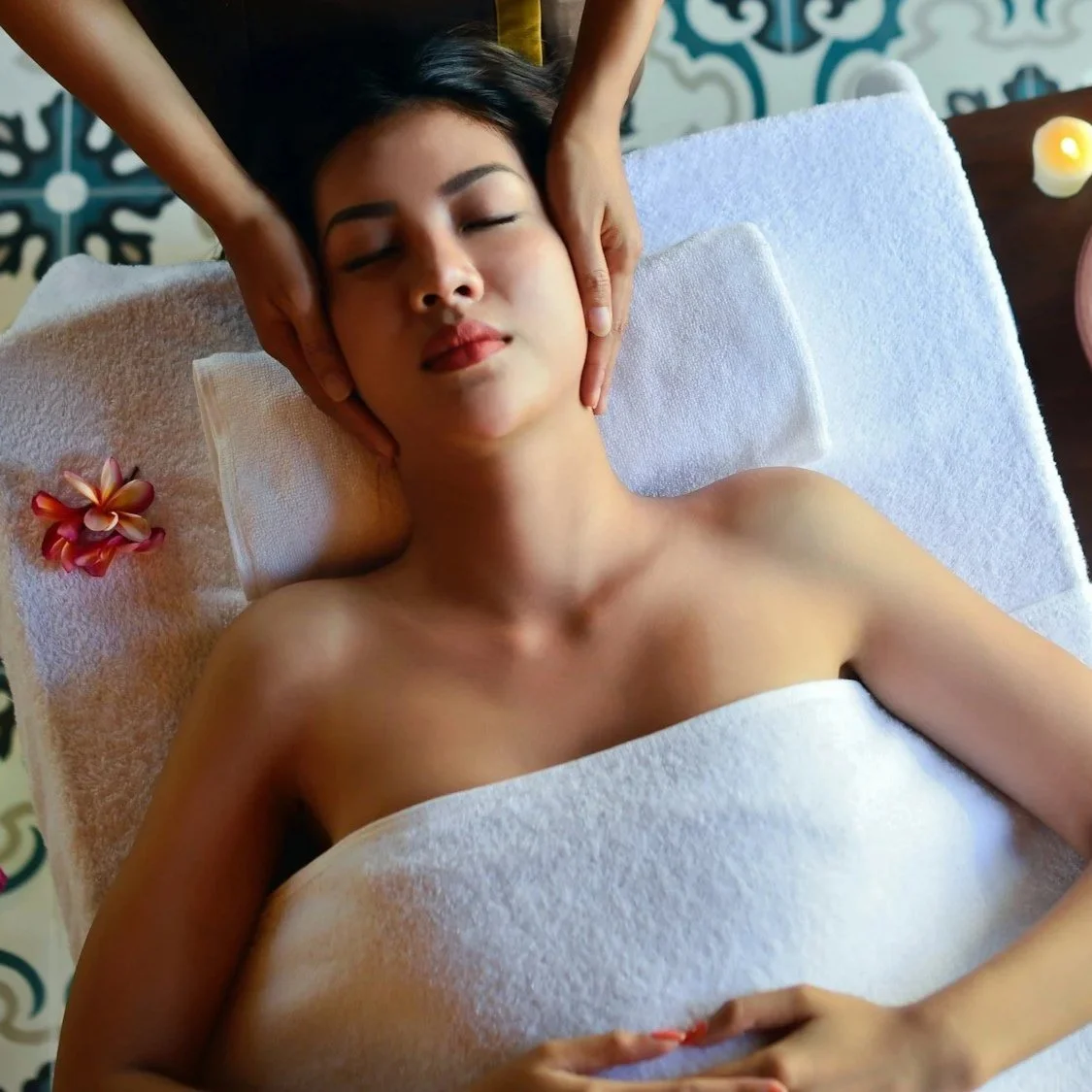
Make sure to let your therapist know if you need any aspect of your session adjusted. You are in charge and can ask for changes or stop the session at any time. All aspects of the session such as music, lighting, temperature, pressure, or positioning on the table or of the face cradle can be customized to meet your needs.
Relax and let your thoughts go during this time. The therapist will only talk if you begin talking or unless there is a question that the therapist needs to ask to ensure your comfort.
Wraping Up Your Session with Your Massage Therapist
The therapist will instruct you to re-dress and then he or she will leaves the room. Take your time when sitting up from the massage table. You will be given “aftercare instructions” such as drinking water, taking an Epsom salt bath, or stretching to help increase the benefits of your massage.
Exiting and Check-Out from Your Massage

At the front desk, we will process your appointment and help you book your next appointment. While gratuity is always appreciated, it is never required. If you choose to leave a tip, a standard amount for massage therapist is around 20% of the service price. Thank you so much for allowing us to help you find your key to wellness.
Our experienced therapists tailor each session to address your specific needs and concerns, ensuring that you receive personalized care that delivers results. At Key of Life Wellness & Massage, we believe everyone deserves to live pain-free.
Take advantage of our 20% Off New Client Special for a 60-minute massage!

Does Massage Help With Tennis and Golf Elbow Pain?
Tennis and golf elbow (clinically known as lateral and medial epicondylitis respectively) are painful conditions affecting the tendons of the elbow. While the names suggest a connection to sports, these injuries often result from repetitive motions or overuse rather than athletic activities.
Tennis and golf elbow (clinically known as lateral and medial epicondylitis respectively) are painful conditions affecting the tendons of the elbow. While the names suggest a connection to sports, these injuries often result from repetitive motions or overuse rather than athletic activities.
Understanding Tennis and Golf Elbow
Tennis elbow typically involves pain and inflammation on the outside of the elbow, affecting the muscles and tendons responsible for wrist and finger extension. Golfer elbow, on the other hand, affects the inner part of the elbow, impacting the muscles and tendons involved in wrist flexion and forearm rotation.
Quick Tip:
For tennis elbow, ease pain at home by icing the outside of your elbow for 10 minutes or gently stretching your wrist and forearm.
Causes and Symptoms:
Common causes of tennis and golf elbow include repetitive gripping motions, overuse of the forearm muscles, poor technique during physical activities, and tightness in the forearm muscles. Symptoms may include pain and tenderness around the affected area, difficulty gripping objects, weakness in the forearm, and discomfort when performing certain movements.
The Role of Massage Therapy:
Massage therapy offers a holistic approach to treating tennis and golf elbow by addressing muscle tension, promoting circulation, and reducing inflammation. Deep tissue massage techniques can target the affected muscles and tendons, helping to alleviate pain, break up scar tissue, and improve flexibility.
Benefits of Massage Therapy for Tennis and Golf Elbow

Quick tip:
For golfer’s elbow relief at home, try gently stretching your wrist and forearm or icing the inside of your elbow for 10 minutes.
Pain Relief: Deep tissue massage helps to relieve pain and discomfort associated with tennis and golf elbow by targeting trigger points and releasing tension in the affected muscles.
Improved Circulation: Massage therapy enhances blood flow to the injured area, facilitating the delivery of oxygen and nutrients essential for tissue repair and healing.
Enhanced Flexibility: By breaking up scar tissue and adhesions, massage therapy can improve the range of motion and flexibility in the elbow joint, promoting recovery and preventing future injury.
If you’re in pain, we want to help right away!
Betsy Burkart LMBT#7141 owner of Key of Life Wellness & Massage in Charlotte, N.C., is well-versed in sports-related injuries and has effectively been relieving pain associated with tennis and golfers elbow with targeted therapeutic bodywork. Take advantage of our 20% Off New Client Special for a 60-minute massage where we’ll focus on helping you heal so you can get back to the court or green!

Choosing the Right Massage Therapist
Finding the right massage therapist isn’t just about pampering yourself, it can directly affect your health, comfort, and long-term well-being. The right therapist can ease pain, reduce stress, and help restore balance, while the wrong choice can leave you feeling worse instead of better.
Finding the right massage therapist isn’t just about pampering yourself, it can directly affect your health, comfort, and long-term well-being. The right therapist can ease pain, reduce stress, and help restore balance, while the wrong choice can leave you feeling worse instead of better. Here at Key of Life Wellness and Massage we have put together a guide to show you what to look for so you can book with confidence.
Step 1: Research Massage Therapy Options in Charlotte

How do I know what kind of massage I need?
Think about your goals: pain relief, stress reduction, or relaxation, and choose a therapist trained in that style.
Start by exploring different massage styles and considering what you need most. If your goal is pain relief, a deeper, therapeutic approach may be best. If relaxation is your priority, a lighter technique like Swedish massage might be the right fit. Knowing your goals makes it easier to match with the right therapist.

How can I check if a massage therapist is licensed?
In North Carolina, you can verify licenses at bmbt.org.
Step 2: Check for Licensed Massage Therapists in North Carolina
Always make sure your massage therapist is licensed by the North Carolina Board of Massage and Bodywork Therapy (BMBT). A license shows that they have the proper training and meet state safety standards. In professional practices, licenses should be clearly displayed and easy for clients to see. Betsy Burkart NCLMBT #7141, at Key of Life Wellness and Massage, has 20 years of clinical therapeutic massage experience working with a variety of clients.

Does experience really matter?
Yes. A therapist with years of practice and a specialty that matches your needs will usually get better results.
Step 3: Look at Massage Experience and Specializations
Experience matters. A therapist with years of practice brings skill and confidence that can make your session more effective. Specializations also help, whether it’s sports recovery, prenatal massage, or chronic pain treatment, finding someone with expertise in your area of need ensures better results. My specialty is Neuromuscular Therapy (NMT), which focuses on pain patterns, postural issues, and muscular imbalances.
Step 4: Ask for Massage Therapist Recommendations and Read Reviews

Should I trust online reviews?
Yes, look for consistent patterns like professionalism, results, and comfort.
Word of mouth is one of the best ways to find a reliable massage therapist. Ask friends, family, or healthcare providers for recommendations. Online reviews can also give helpful insight, look for recurring themes about professionalism, communication, and effectiveness.
Step 5: Trust Your Comfort and Instincts During Massage Sessions

What if I don’t feel comfortable with my therapist?
Trust your instincts. It’s always okay to stop a session or find someone new.
At the end of the day, your comfort is what matters most. If the environment doesn’t feel right or communication feels off, it’s okay to look elsewhere. At Key of Life, I prioritize creating a safe, respectful space where every client can relax and feel supported.
Choosing the right massage therapist is an investment in your health. By doing a little research, checking credentials, asking for referrals, and trusting your instincts, you’ll find a therapist who makes you feel comfortable and delivers results.
Experienced Massage Therapy in Charlotte, NC
If you’re located in the South Park, Charlotte area and ready for professional, personalized care, I’d love to welcome you to Key of Life Wellness and Massage.

Top 10 Deep Tissue Massage Benefits
Deep tissue massage is a therapeutic technique that works on the deeper layers of muscles and connective tissue. Using firm pressure and slow strokes, it helps release chronic muscle tension, knots, and adhesions. While some think it’s always painful, the truth is that when applied correctly, deep tissue massage offers powerful benefits for pain relief, flexibility, and overall well-being.
What is Deep Tissue Massage?

Deep tissue massage is a therapeutic technique that works on the deeper layers of muscles and connective tissue. Using firm pressure and slow strokes, it helps release chronic muscle tension, knots, and adhesions. While some think it’s always painful, the truth is that when applied correctly, deep tissue massage offers powerful benefits for pain relief, flexibility, and overall well-being.
At Key of Life Wellness & Massage, we combine deep tissue with Swedish, structural, and postural techniques to help office workers, athletes, parents, and anyone dealing with repetitive strain find lasting relief. Targeted therapeutic bodywork helps identify and addresses helps identify and address the underlying muscular imbalances that cause persistent pain, allowing for more effective and lasting relief that generalized massage alone.
Core Benefits Of Deep Tissue Massage
1. Relieves Chronic Pain & Tension
Deep tissue massage targets adhesions and stubborn knots that cause ongoing pain. By easing tension in the back, neck, and shoulders, it also helps reduce the frequency of tension headaches.
2. Improves Flexibility & Range of Motion
This style of massage restores mobility in stiff joints and prevents muscles from tightening due to long hours of sitting. Greater flexibility also supports better athletic performance and reduces injury risk.
3. Promotes Muscle Recovery & Healing
By increasing circulation, deep tissue massage speeds up the repair of muscle tissue after workouts. It can also reduce soreness and inflammation, making recovery faster and more comfortable.

Quick Tip:
Drink water before and after your massage, hydrated muscles respond better and recover faster.
Deep Tissue Techniques You May Experience
Effleurage – long strokes to warm up muscles typically used at the beginning of the session.
Petrissage – kneading, lifting, or squeezing technique to release muscle tension and improve blood circulation.
Friction – deeply applied often circular or cross-fiber movements with the thumb or fingertips to penetrate deep tissue, breakdown adhesions, and improve blood flow.
Trigger Point Therapy – pinpoint pressure on areas of ischemic soft tissue to help release and restore correct function of the muscle.
Compression -static pressure on tissue with palms or forearms, sometimes in a pumping fashion, in order to facilitate the natural relaxation of a particular muscle.
These methods are often combined in a single session for maximum results.
Health Benefits Of Deep Tissue Massage
4. Lowers Blood Pressure & Improves Circulation
Firm pressure encourages healthy blood flow throughout the body. Over time, this can help reduce muscle tension that contributes to higher blood pressure and support overall cardiovascular wellness.
5. Supports Injury Recovery
Breaking down scar tissue and restoring mobility in injured areas makes deep tissue massage a valuable part of rehabilitation. When paired with physical therapy, it can help shorten recovery time.
6. Enhances Athletic Performance
Athletes often use deep tissue massage to prepare muscles for training or competition. By improving flexibility and reducing the risk of strain, it keeps the body in peak condition.
7. Boosts Posture & Alignment
Releasing tension caused by desk work or repetitive movements helps the body return to its natural alignment. This reduces long-term strain on the spine and joints, easing chronic postural pain.

Quick Tip
Gentle movement after your session helps your body adjust, and an Epsom salt bath can be especially soothing. Epsom salt is rich in magnesium, which relaxes muscles and eases soreness following deep tissue work.
How to Prepare for a Deep Tissue Massage
Communicate Your Goals – let your therapist know areas of focus and pressure preferences.
Hydrate & Stretch – drink water and do light stretching before your session.
Set the Mood – arrive relaxed; think of it as preparing your mind and body to release tension.
Lifestyle Benefits Of Deep Tissue Massage
8. Reduces Stress & Promotes Relaxation
Deep tissue massage not only calms tight muscles but also helps lower cortisol, the body’s main stress hormone. Many clients leave feeling mentally clearer and more relaxed.
9. Eases Headaches & Jaw Tension
By relieving tight muscles in the neck, shoulders, and jaw, deep tissue massage can reduce the frequency of tension headaches and TMJ-related discomfort.
10. Improves Sleep & Overall Well-Being
Regular sessions encourage deeper, restorative sleep and reduce anxiety. The result is a lasting sense of balance, energy, and well-being.

FAQ
1. Is deep tissue massage painful?
It may feel intense at times, but sharp or excessive pain is not required for results. Always communicate with your therapist.
2. How quickly will I see results?
Some people notice relief after one session, while others feel the most improvement after 3–5 consistent treatments.
3. Who should avoid deep tissue massage?
Those with fractures, open wounds, or recent injuries should consult a healthcare provider before booking.
4. How should I prepare?
Stay hydrated, stretch lightly, and tell your therapist your goals and comfort level.
Experience Deep Tissue Massage in Charlotte, NC
Deep tissue massage is one of the most effective ways to relieve chronic pain, improve mobility, and support recovery. Whether you’re an athlete or simply dealing with daily stress, our therapists at Key of Life Wellness & Massage are here to help. Book Your Session Today and start feeling the benefits within just a few visits.