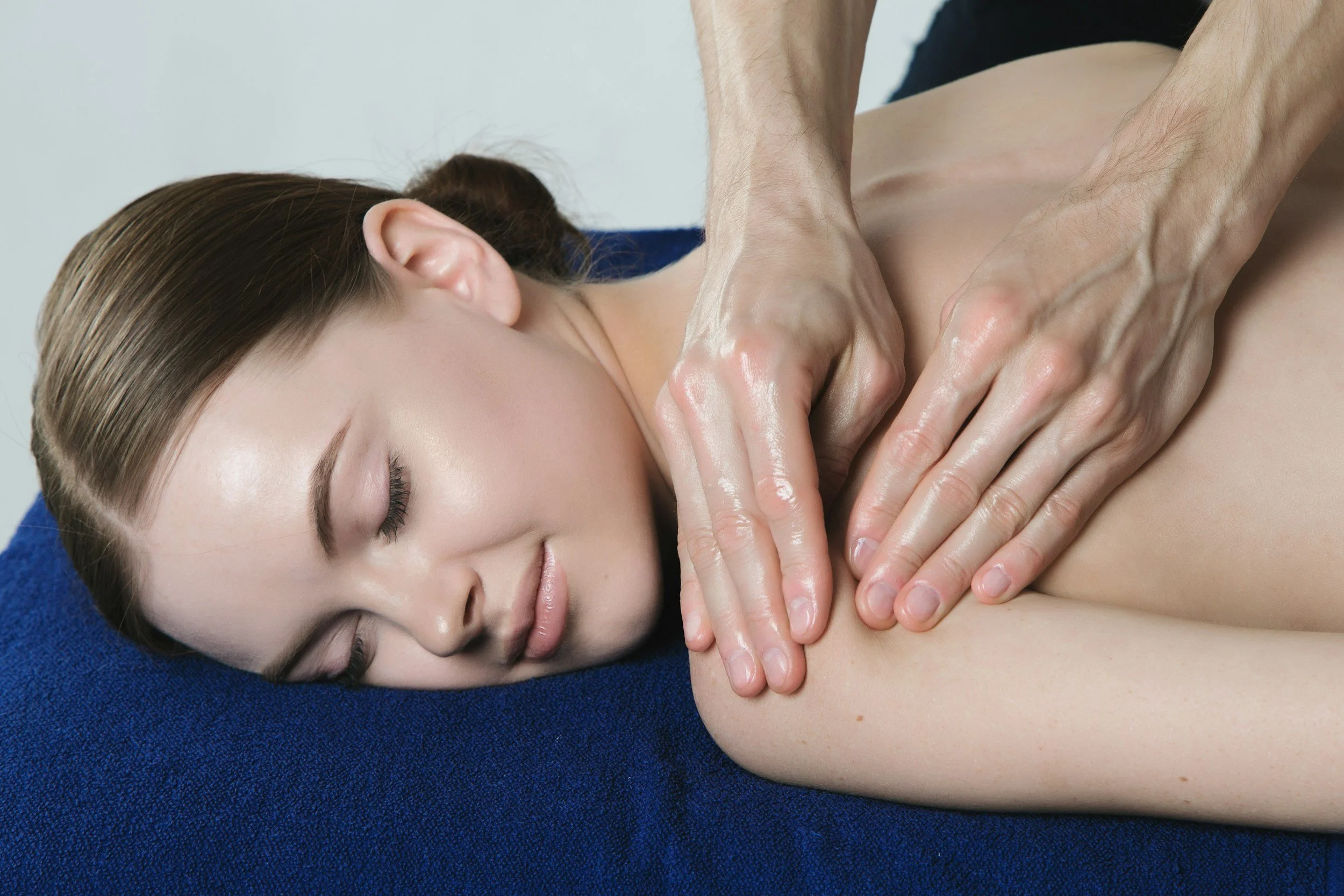
Massage is often described in extremes. It is either presented as a luxury with no purpose beyond relaxation or as a treatment that can correct nearly every physical problem. In practice, its value is more specific and more useful than either description suggests.
Massage therapy can help people feel more comfortable in their bodies. Depending on the client and the reason for the appointment, that may mean easing muscular tension, reducing pain for a period of time, making movement feel less guarded, supporting relaxation, or providing a clearer understanding of the patterns that keep returning.
It is not a replacement for medical diagnosis, physical therapy, mental health care, sleep medicine, or rehabilitation. The strongest massage plan respects those limits and focuses on what skilled hands-on care can realistically contribute.
Massage May Help Ease Muscle Tension and Pain
Many clients book because a region feels tight, sore, tired, or persistently overworked. Desk posture, repetitive jobs, training, driving, caregiving, and stress can all change how muscles are being used throughout the day.
Massage may temporarily reduce pain and help tense areas feel less guarded. That window of comfort can make everyday movement, rest, or prescribed exercise feel more manageable. Results vary with the source and duration of the symptoms, so improvement should not be treated as proof that an injury or medical condition has been resolved.
Massage Can Make Movement Feel Easier
When the body is protecting a painful area, movement can become smaller or more cautious. Focused massage may help decrease muscular resistance and give the client a more comfortable sense of range. This is different from claiming that massage permanently realigns the body or corrects a joint.
Betsy often asks which movements feel restricted rather than relying only on the location of the pain. The answer helps connect the massage to real activities: turning the head while driving, reaching overhead, sitting through a workday, running, lifting, or sleeping in a preferred position.
Massage Can Support Rest and Stress Relief
A massage session creates a defined period in which the client is not working, caregiving, looking at a screen, or managing the next task. The combination of attentive touch, a comfortable setting, and fewer outside demands can help the body and mind settle.
Some clients sleep better after a session or feel calmer for the rest of the day. Those experiences matter, but massage should not be presented as a treatment for anxiety, depression, chronic insomnia, or another health condition. It can complement appropriate care while offering its own form of restorative time.
Massage May Support Recovery Without Replacing Rehabilitation

After demanding activity, massage may help with the sense of soreness or muscular fatigue. A session can be planned around training load, repeated movement, or a region that feels overworked. This is the role of sports massage: matching the appointment to what the client is asking the body to do.
Massage does not repair a torn tissue, guarantee faster healing, or prevent injury. When pain suggests an injury or function continues to decline, evaluation and rehabilitation are more important than adding pressure. Massage may fit alongside that plan when the treating clinician considers it appropriate.
The Technique Matters Less Than the Reasoning
Deep tissue, Swedish massage, neuromuscular therapy, myofascial work, cupping, stretching, and other techniques are tools rather than isolated answers. A customized session may combine several of them.
The more important questions are: What is the client experiencing? What has changed? What level of pressure is appropriate today? What areas may be contributing? Does the presentation remain within massage scope? A thoughtful plan is more valuable than selecting a technique because its name sounds strongest.
What Massage Cannot Tell You
Massage cannot determine whether pain is caused by a tendon tear, arthritis, nerve compression, a fracture, an inflammatory condition, or referred pain from another system. It also cannot promise that a long-standing problem will be resolved in a fixed number of appointments.
Sudden severe pain, trauma, progressive weakness, numbness, unexplained swelling, fever, loss of function, or symptoms that keep worsening need appropriate medical evaluation. Responsible massage care includes knowing when not to treat an area and when to refer.
A Customized First Appointment
At Key of Life Wellness & Massage in Charlotte, Betsy Burkart, NCLMBT #7141, begins new-client care with additional time for questions and planning. With more than 20 years of experience, she uses the client's history, daily demands, goals, and response to touch to shape the session.
Clients do not need to diagnose themselves or choose the correct modality before booking. The first appointment is designed to determine what kind of massage makes sense that day and what the next step should be.